
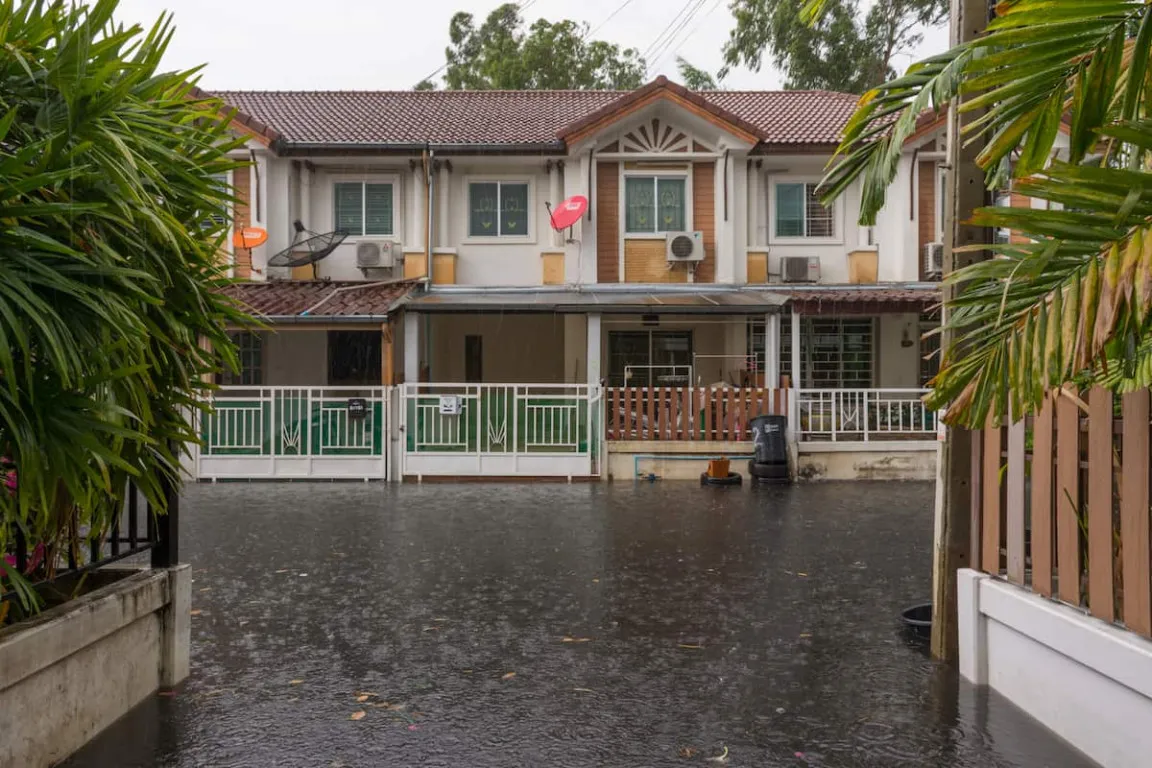
Flood- resilient houses are now a priority for Indonesians, especially in areas prone to flooding during heavy rainfall.
Floods bring not only water, but also mud that can damage furniture, disrupt comfort, and even lower property values.
Therefore, designing or renovating a house with a flood-resilient design cannot be done carelessly. Careful planning is required, from the design concept to the implementation of safe and efficient construction techniques, to mitigate water disasters.
Curious about what kind of house design can withstand a flood? Check out the following inspiration and tips for building one!
Flood- Resilient House Designs
Various flood-resilient house designs can be a great solution for those living in flood-prone areas. Each model has its own advantages, from elevated structures to the use of appropriate materials. Here are some design inspirations that can be applied:
1. Elevated Terrace House
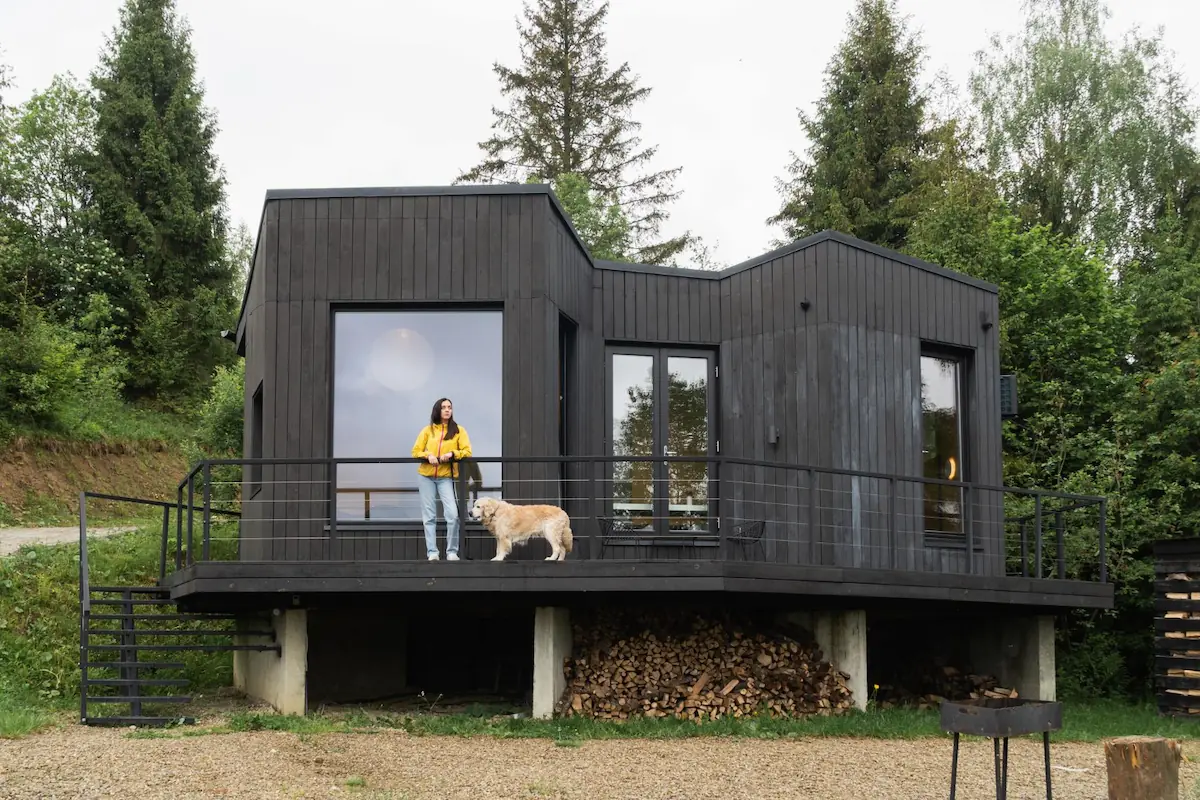
Elevating the terrace is one effective way to keep the house safe during floods, as the main access remains dry even as water rises. Besides being functional, a high terrace design also enhances the house's aesthetic appeal.
Water-resistant materials, such as natural stone or anti-slip ceramic tiles, make the terrace safe when it is wet, while stairs leading to the terrace add an elegant touch to the exterior of the house.
2. Stilt House

The stilt house design is a classic and effective solution for preventing floods, with a raised main floor that prevents water from easily entering the house.
The foundation can be made of wood or concrete, but concrete is recommended because it is stronger against strong waves.
In addition to being safe from floods, stilt houses also offer better air circulation due to the space under the house.
3. European-Style Houses

European-style houses are suitable for flood-prone areas because the ground floor is raised above ground level, often with a strong foundation of stone or concrete.
Aside from being flood-resilient, this design emphasizes aesthetics through large windows, spacious balconies, and good air circulation.
Some houses also feature an integrated drainage system to effectively drain rainwater.
Read also: Semi-Permanent Houses: Definitions, Materials, and Examples
4. Floating Houses

Floating houses are an architectural innovation specifically designed to withstand flooding, commonly found in coastal areas.
Using a floatation system or pontoons, these houses can rise with the water level, ensuring safety during major floods.
In addition to being flood-resilient, floating houses are environmentally friendly because their structure does not harm aquatic ecosystems and can adapt to environmental changes.
5. Flood-Ready House Design
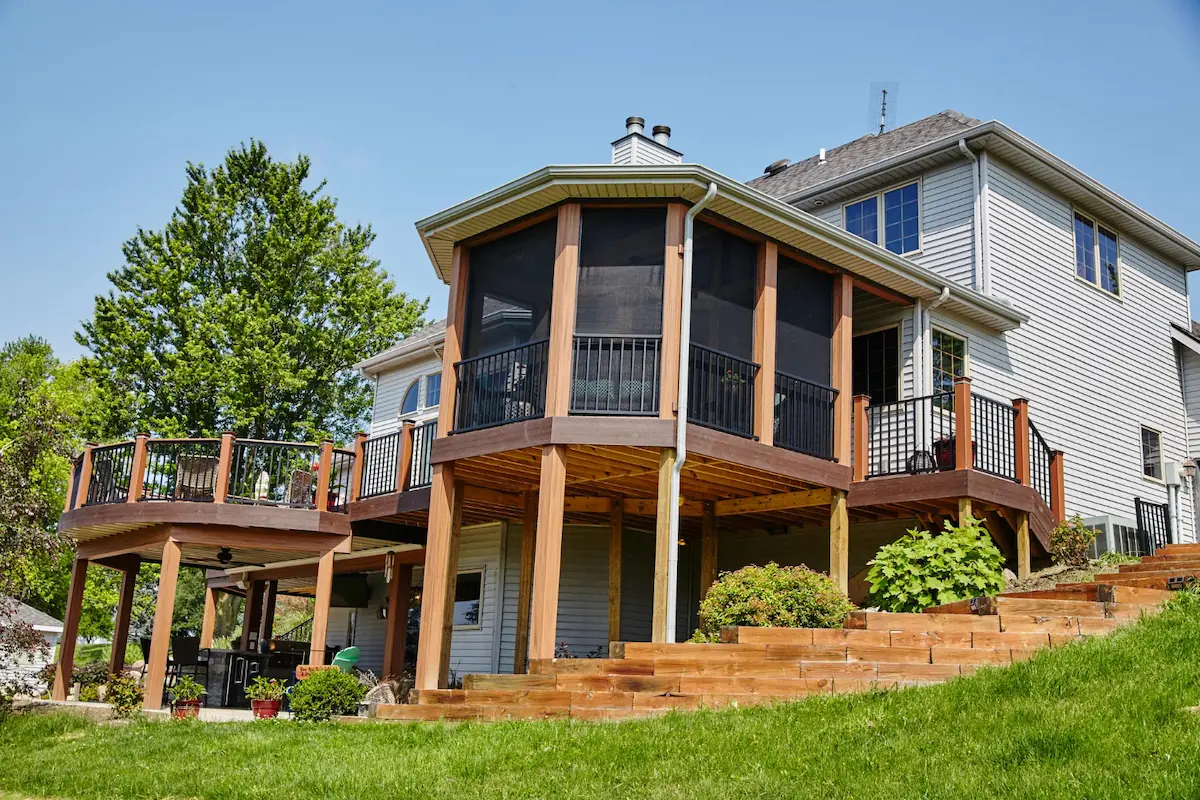
Flood-ready house designs are created to maintain the house's functions even in areas prone to flooding.
Inspired by stilt houses, this concept usually consists of a two-story house with the lower floor serving as a service area that can accommodate water during flooding, such as a carport, garden, laundry room, and infiltration well area.
The upper floor is the main living area, housing bedrooms, living rooms, kitchens, and bathrooms to keep them safe.
Some houses also add external stairs as an evacuation route when the water reaches extreme heights.
6. Houses with Concrete Pillars

House designs with concrete pillars as the main foundation are an effective solution for floods because they can raise the house to a height above puddles.
Concrete is chosen because it is resistant to moisture and water pressure, making it suitable for flood-prone areas. In addition to protecting the house from flooding, concrete pillars also increase the building's stability, enabling it to withstand the weight of the house even in flash-flood conditions.
7. Houses with Metal Materials
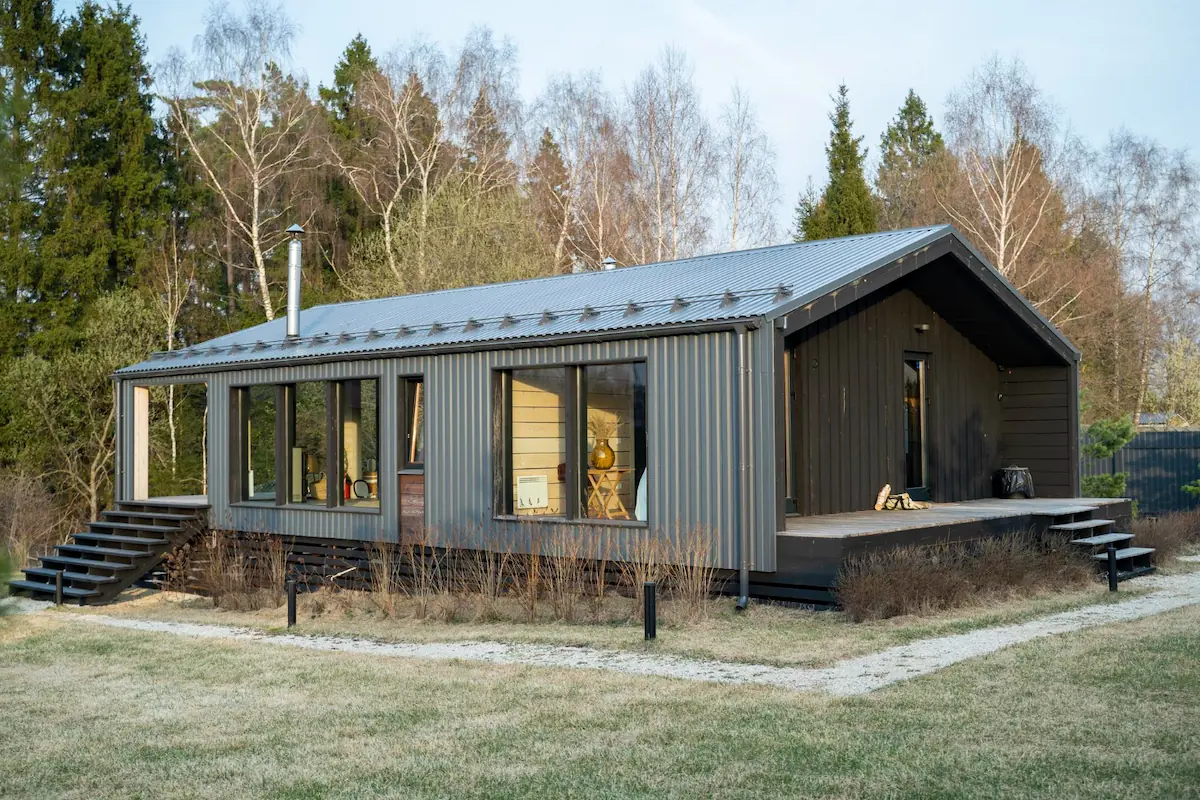
House designs made of metal, popular in Japan and the United States, are designed to withstand natural disasters such as floods, typhoons, and earthquakes. These houses combine concrete with solid metal layers, creating a sturdy, stable, and durable structure.
The metal layer prevents water from seeping in, protecting furniture and belongings, and makes the house easier to maintain because metal materials are generally resistant to corrosion and moisture.
Tips for Building a Flood- Resilient House
From the foundation to the drainage system, every element needs to be considered to make the house more durable and comfortable. Here are some tips for building a flood-resilient house that can be applied:
1. Raise the Foundation
Raising the foundation is a simple but effective step to make a house flood-resilient. The floor height can be adjusted based on previous flood data, for example, 50–70 cm if the flood is usually ankle-high.
For areas submerged by more than 1 meter, the use of support poles or stilts, in consultation with an architect, may be an option. Keep in mind that raising the floor must also account for stairs, the slope of the water channels, and the structure's strength to ensure the foundation remains sturdy.
Read also: U-Ditch: Definition, Functions, Types, & Installation
2. Consider a Split-Level or Stage House Design
If you are planning a major renovation, a stage or split-level house design may be the right choice for flood-prone areas.
The concept involves dividing the house floor into several levels, with main rooms such as bedrooms and living rooms on higher levels, while service areas like the kitchen, garage, or storage are placed on lower levels.
This ensures that crucial parts of the house remain safe during floods. While this design requires thorough planning, it offers an ideal long-term solution for flood-resilient houses.
3. Use Waterproof and Easy-to-Clean Materials
One way to make your house flood-resistant is to choose waterproof and easy-to-clean materials. Vulnerable materials, such as wooden parquet or MDF furniture, are often damaged after being submerged, which can increase repair costs.
Use non-slip porcelain tile flooring, exposed concrete with a sealant coating, and waterproof paint on walls. For window and door frames, choose aluminum or UPVC materials so that they remain durable even when frequently exposed to water.
4. Improve the Drainage System
A good drainage system is the solution for a flood-resilient house. Ensure that the drains are not clogged and that they slope to channel water from the yard, terrace, or carport to the gutters or sewers.
For areas with waterproof paving blocks or tiles, install floor drains connected to underground drains. You can also add a check valve to the kitchen or bathroom pipes to prevent water from outside from flowing back in when the water level is high.
5. Move Electrical Installations to a Safe Location
In addition to protecting your house from flooding, electrical safety is also important. Flooding can cause short circuits or electric shocks if installations are in low-lying areas.
Ensure that electrical panels, outlets, and hidden cables are placed at least 1.5 meters from the floor, especially in areas prone to puddles. Use protective pipes for cable lines and prepare MCBs in each room for safety.
6. Build a Water Absorption Zone
Use the land in front of or beside your house to create a water-absorption zone, such as a garden with native soil and grass, or a carport with porous materials like grass blocks.
This area serves to slow and hold back water flow towards the house, while also helping absorb rainwater so the main drainage does not fill up quickly.
You can also add a small pond or infiltration well to temporarily store water for reuse, for example, watering plants or washing the yard.
7. Prepare a Safe Room and Evacuation Route
Even if your house is flood-resistant, it is still important to prepare a safe room and evacuation route for the worst-case scenario. Create a storage area in the attic or on the roof for important documents, clothing, and emergency supplies.
For single-story houses, provide an emergency ladder to the roof or a rear exit that is not connected to the main fence. Also, prepare a place for emergency supplies, such as flashlights, power banks, instant food, drinking water, and foldable life jackets.
That concludes our discussion about some flood-resilient house design inspirations that you can apply to create a safe, comfortable, and aesthetically pleasing house even in flood-prone areas.
To ensure your house is durable and not easily damaged by moisture or water seepage, choose high-quality materials from the earliest stages of construction. One recommendation is Semen Merah Putih Watershield.
Semen Merah Putih Watershield is equipped with water-repellent technology to protect building structures from water and moisture.
With a triple protection system, this cement provides comprehensive protection to the exterior, interior, and areas that come into direct contact with the ground, resulting in stronger, smoother, and more durable buildings.
Semen Merah Putih Watershield is suitable for use in foundations, plastering, concrete slabs, rendering, and brick installation.
So, if you want to build a sturdy, flood-resistant house that can withstand all weather conditions, ensure you use the best materials from the very beginning.
For further information and consultation on your construction needs, contact us right now.
Read also: Rollag Foundation: Definition, Function, Types, & Advantages