
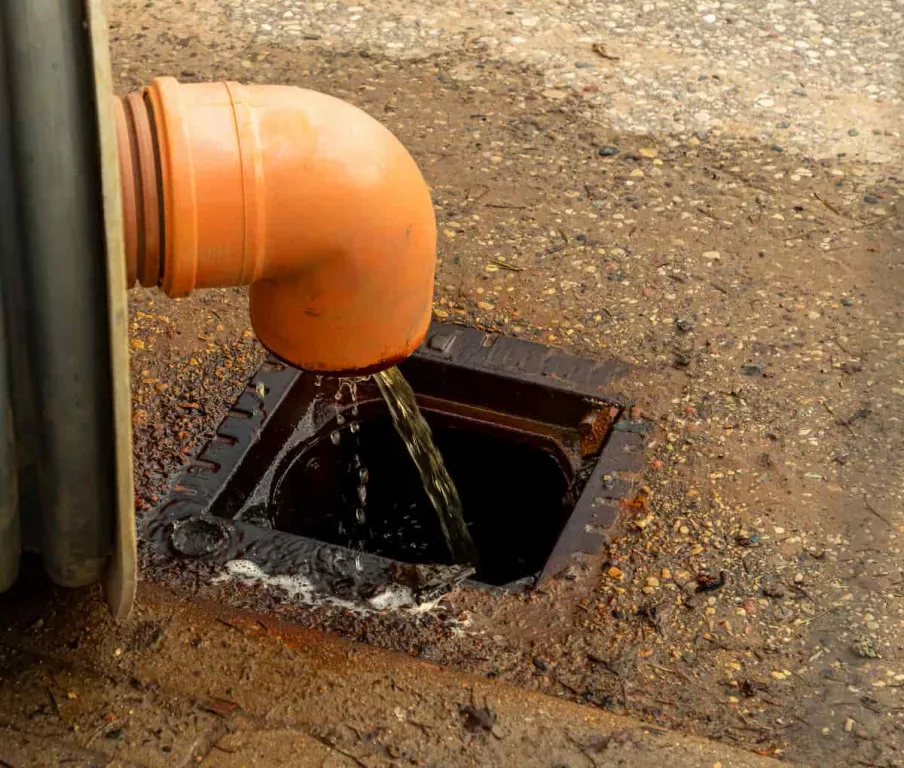
Have you ever noticed water pooling in your yard after heavy rain, or water in the bathroom taking too long to drain? Problems like these are often considered minor, even though they may stem from a poorly designed home drainage system, including ineffective drainage channels and malfunctioning gutters.
A proper drainage system helps direct water flow to prevent pooling and other related issues. If not designed correctly, it can lead to various problems, from structural damage and unpleasant odors to potential health risks.
To help you better understand and prevent these issues from the start, let’s take a closer look at home drainage systems!
What Is Home Drainage?
Home drainage is a system of channels designed to direct water flow and prevent water from pooling around the house. The water may come from rain, household wastewater, or groundwater seepage.
Basically, a drainage system helps manage water disposal so the home environment stays dry, safe, and comfortable.
The Importance of a Home Drainage System
A home drainage system plays a vital role that often goes unnoticed until problems arise. In fact, when designed properly from the start, it can help you avoid many costly issues in the future.
1. Prevents Water Pooling
The main function of a drainage system is to channel water away and prevent pooling. Rainwater that is not properly drained can collect in the yard or around the house foundation. Over time, this can damage the soil structure and make the house less stable.
2. Maintains a Healthy Environment
Standing water can become a breeding ground for mosquitoes and bacteria, posing health risks to the people living in the house. With a proper drainage system, water is quickly directed to disposal channels, helping prevent health-related issues.
3. Protects the Building Structure
Water that seeps into the soil around the house can cause excess moisture. As a result, walls may become damp, paint can peel, and mold may develop. Over time, this can also damage the building’s foundation.
Read also: How to Create a Simple Floor Plan, Easy & Practical!
Types of Home Drainage Systems Based on Water Flow Location
Before building or improving a drainage system, it’s important to understand the different types. Based on the location of the water flow, home drainage systems are divided into two types, which are surface drainage and subsurface drainage. Here are the details of each:
A. Surface Drainage
This type of drainage usually consists of ditches or small channels around the yard. Its function is to direct rainwater away so it does not pool on the ground surface. If you have a garden or a large yard, surface drainage is essential. Without it, water can collect and damage plants or make the soil muddy.
B. Subsurface Drainage
This type of drainage typically uses pipes buried underground. Its function is to channel water that has seeped into the soil so it does not affect the house foundation. If you live in an area with frequent rainfall, this system is especially useful for maintaining soil stability around the house.
Important Components of a Drainage System
To ensure a drainage system works effectively, there are several key components you should pay attention to:
- Drainage channels: These can be pipes or ditches that carry water to the main disposal area. Make sure the size matches your needs to prevent clogging.
- Gutters: Gutters collect rainwater from the roof and direct it to the drainage system. Without gutters, water can fall directly onto the ground and damage the surrounding area.
- Soakaway pit: A soakaway pit helps reduce the amount of water discharged into public drainage systems. It also helps maintain groundwater availability.
- Filters or strainers: Leaves, trash, and other debris can clog drainage channels. Filters help keep water flowing smoothly and extend the lifespan of the drainage system.
Tips for Building an Effective Home Drainage System
To ensure your home’s drainage system works optimally, there are several things you should consider from the start:
- Pay attention to ground slope: Make sure the ground has enough slope so water can flow toward the drainage channels. The ideal slope is usually around 1–2%.
- Use the right materials: Use strong and durable pipes, such as high-quality PVC. This is important to prevent leaks or long-term damage.
- Clean the drainage regularly: Dirty drainage channels can cause blockages. Take time to clean them periodically, especially after heavy rain.
- Separate the systems: Ideally, rainwater drainage should not be combined with household wastewater. This helps prevent contamination and makes water management easier.
Signs of an Inefficient Home Drainage System
Sometimes, drainage issues are not immediately visible. However, here are some signs you should watch out for:
- Slow draining water: If water in the bathroom or yard takes a long time to disappear, it may indicate a blockage in the drainage system.
- Damp walls: Moldy or damp walls are usually caused by water not flowing properly around the house.
- Unpleasant odors: Smells coming from drainage channels can be a sign of waste buildup or a system that is not functioning properly.
A good home drainage system not only helps prevent water pooling but also plays an important role in maintaining a building’s strength and durability in the long term. In addition to ensuring that drainage channels and gutters function properly, choosing the right building materials is also essential to make the house more resistant to seepage and moisture caused by water.
To help protect buildings from water-related issues, you can use Semen Merah Putih Watershield. Its water-repellent technology helps reduce the risk of water seepage in buildings, making homes stronger, more durable, and more comfortable to live in, especially in areas with high rainfall.
Contact us now to get the best construction solutions for your project! We are ready to help you achieve project success with high-quality cement products and excellent services.
Read also: Here's How to Remove Cement Stains on The Tiles, Effective!