
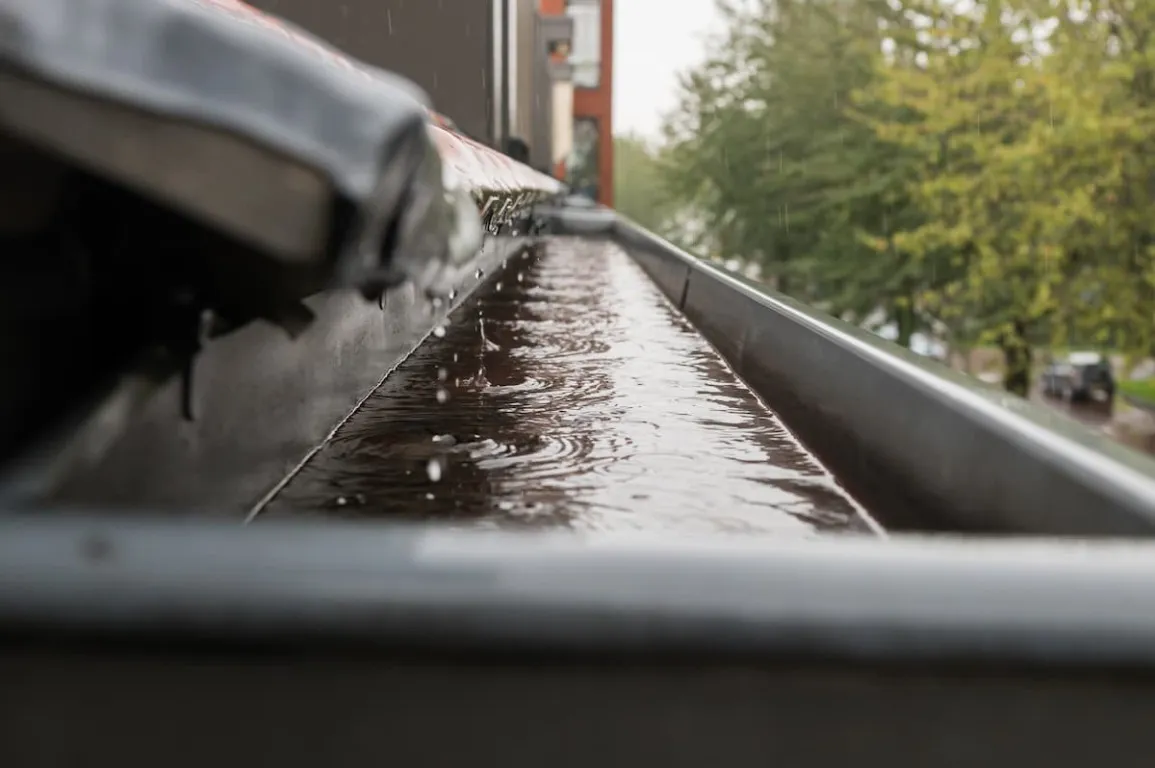
In the construction process, concrete gutters are an important element that is often overlooked because they are considered merely an accessory. In reality, this system plays a crucial role in channeling rainwater to prevent damage to the building’s structure.
If not properly designed, water can pool, seep in, and even accelerate damage to walls and foundations. Among various material options, concrete gutters are gaining popularity for being stronger, pressure-resistant, and long-lasting.
Not only suitable for large-scale buildings, but they are also becoming increasingly relevant for residential properties that require a more reliable and low-maintenance drainage system. Take a closer look at the full explanation regarding concrete gutters below.
What Are Concrete Gutters?
Simply put, concrete gutters are rainwater drainage channels cast on-site using a mixture of cement, sand, and gravel. Unlike pre-manufactured plastic (PVC) or metal gutters that are simply installed, concrete gutters become an integral part of your building’s structure or roof.
These gutters are often referred to as cast-in-place gutters. Because they are built as a single unit with the building’s slab or ring beams, these gutters offer significantly greater durability in Indonesia’s extreme weather conditions than other materials.
Many millennials and architects choose concrete gutters for several aesthetic and functional reasons, including:
- Extreme durability: They will not rust like galvanized steel or become brittle and crack because of the sun’s heat like plastic.
- Minimalist aesthetics: They give the building a neater, cleaner appearance by hiding the drainage channels within the concrete structure.
- High capacity: Their size can be freely customized to accommodate very large volumes of rainwater, thereby minimizing the risk of water overflowing into the house.
- Multifunctional: The top or edge of the concrete gutter often doubles as a support for the roof trusses or concrete fascia.
Although strong, the construction of concrete gutters requires extra precision during the construction process:
- Waterproofing: Must be coated with waterproofing material to prevent water from seeping into the concrete pores and damaging the ceiling.
- Slope: Must be precisely adjusted to prevent water from pooling and causing moss growth.
- Structural load: Given its heavy weight, ensure your house's columns and beams can withstand the additional load from the concrete and the increased water volume during heavy rain.
Read also: Concrete Slab Roof Details: Types, Structure, & Building Ti
Functions of Concrete Gutters
In general, concrete gutters serve several main functions, including:
1. Preventing Water Pools on the Roof
Without gutters, rainwater can pool on the roof, leading to damage and leaks because the water is not properly drained.
2. Efficiently Channeling Rainwater from the Roof
To prevent water from pooling, which can potentially cause damage and leaks, gutters help channel rainwater that falls on the roof to where it belongs: designated drainage channels.
3. A Neater Home Appearance
Installing gutters is not only functional but also helps enhance the home’s aesthetics. Concrete gives a sturdy impression and a neater appearance, making it suitable for minimalist houses. If you want to create a more attractive gutter design, concrete can also be combined with other materials, such as wood or stone.
4. Protecting Walls and Foundations from Water
Since their function is to divert rainwater from the roof to the drainage system, the house's walls and foundations are protected from being drenched. This is because walls frequently exposed to rainwater are more prone to damage, such as dampness, cracks, and other structural issues.
Read also: Guide to the House Construction From Scratch to Finish
How to Determine the Ideal Size for Concrete Gutters
Size is one of the key aspects to consider before constructing a concrete gutter. With the right size, water flow becomes efficient, more effective in preventing building damage, and supports environmental safety.
The following are some factors that influence the size of a concrete gutter:
- Local rainfall: The higher the rainfall, the more strongly recommended is constructing a concrete gutter with greater capacity.
- Roof area: The size of the roof significantly affects the volume of rainwater flowing into the gutter. This means that the larger the roof, the more water will flow, requiring a gutter with a larger capacity.
- Roof slope: The steeper the roof, the faster water will flow into the gutter. This will require a wider concrete gutter.
- Building height: Water pressure on the gutter is influenced by the building’s height. The taller the building, the greater the pressure, so a stronger gutter is required.
Read also: Concrete Hardener Ratio: How to Calculate and Apply It
How to Build a Concrete Gutter
Building a concrete gutter requires careful planning. Detailed planning is essential to ensure the drainage system functions optimally, lasts a long time, and does not cause problems in the future. Here are some key details regarding concrete gutters to consider:
1. Calculating Required Capacity
The first step is to determine the gutter’s capacity based on the roof area and rainfall intensity in the building’s vicinity. This calculation is crucial to ensure the gutter can collect and drain water without the risk of overflowing.
2. Creating a Design
Once the capacity is known, create a gutter design that fits the building’s structure. Pay attention to the slope so that water can flow smoothly toward the drain, and determine the gutter’s position to ensure efficiency and maintain aesthetics.
3. Choosing Durable Materials
Use high-quality concrete with the proper mix to ensure the gutter can withstand water pressure and weather changes. Good materials also help reduce the risk of cracks or leaks over the long term.
4. Ensuring Proper Installation
The installation process must be carried out with precision, from pouring to finishing. Ensure there are no gaps or uneven surfaces that could cause leaks or obstruct water flow.
5. Performing Routine Maintenance
Although known for their strength, concrete gutters still require maintenance. Clean them of debris such as leaves or mud periodically to prevent blockages that could disrupt water flow.
6. Installing Gutter Covers
Gutter covers protect the interior from debris and enhance safety. With covers in place, the risk of blockages can be minimized, extending the gutter’s lifespan.
That concludes the information on concrete gutters that you should keep in mind. Ultimately, concrete gutters are not merely an additional element but a crucial component that safeguards the building’s structural integrity against water-related risks.
From planning through to installation, every step must be executed meticulously to ensure the gutters function optimally and do not cause issues such as leaks or seepage in the future.
One of the keys to making concrete gutters more durable is ensuring extra protection against water. This is where the importance of using materials equipped with waterproofing technology comes into play.
One material you might consider is Semen Merah Putih Watershield. Semen Merah Putih is strongly committed to supporting infrastructure development in Indonesia. It also provides support from a team of experienced experts to facilitate the implementation of Semen Merah Putih products in various infrastructure projects.
Semen Merah Putih Watershield is a super-premium multi-purpose cement that offers many advantages over ordinary cement. It is ideal for all building applications, including foundations, concrete slabs, cast-in-place concrete, masonry, plastering, and rendering.
The water-repellent technology in Semen Merah Putih Watershield provides triple protection for buildings, shielding against moisture from three sources (external, internal, and from the ground), making structures stronger, more durable, and requiring minimal maintenance.
Contact us now to get the best construction solutions for your project! We are ready to help you achieve project success through our superior cement and concrete products and premium services.
Read also: Concrete Pavement: Discover the Key Components and Types