
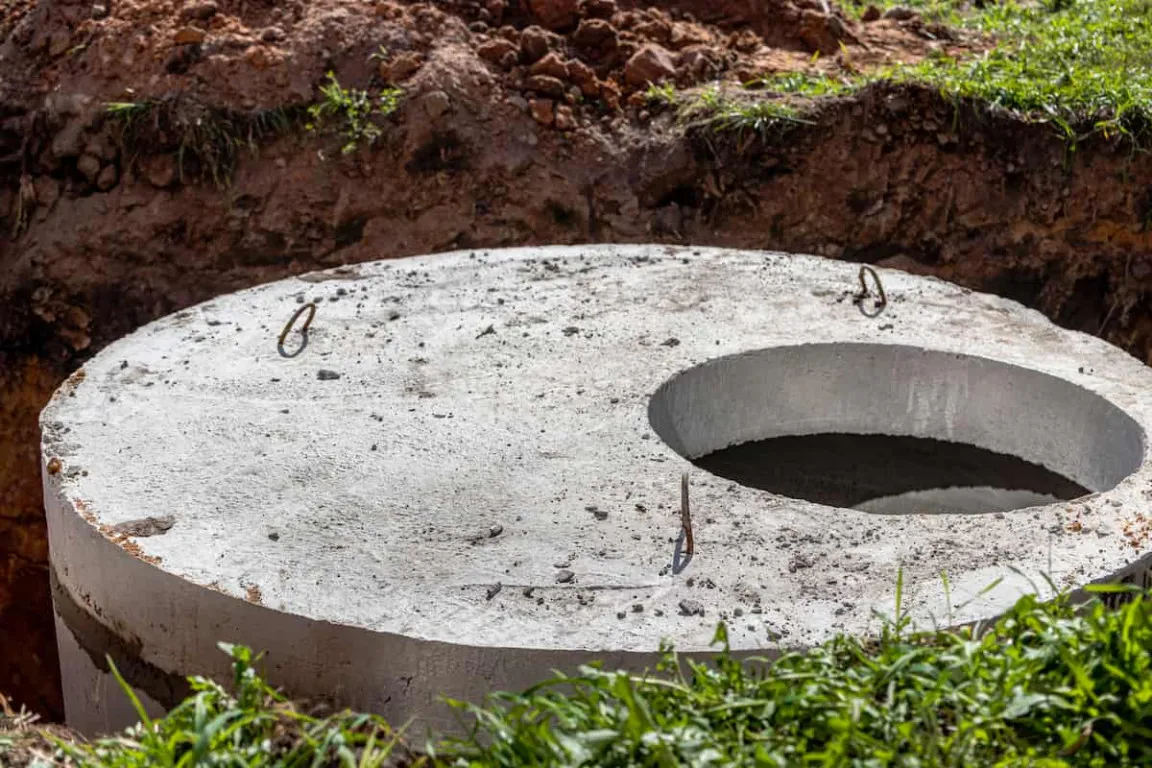
Pooled rainwater remains an environmental problem. However, there is a simple solution to this problem, and that is to install infiltration wells. This project can help prevent flooding caused by continuous heavy rain.
However, when making infiltration wells, the material is one of the important factors to consider. You need to ensure that the material used does not easily collapse. So, how do you design an infiltration well to function effectively? Let's take a look at the full review below.
What Is an Infiltration Well?
An infiltration well is a hole or structure in the ground designed to capture rainwater so it can seep back into the soil. Unlike drainage channels that directly discharge water into rivers or sewers, an infiltration well returns water to the ground as part of the natural water cycle.
Usually, an infiltration well is made to a certain depth and equipped with retaining walls, such as concrete pipes or other concrete structures, to prevent the surrounding soil from collapsing. Rainwater from roof surfaces or the ground is then channeled into this well via pipes or special channels.
Main Function of Infiltration Wells
The main function of infiltration wells is to provide a medium for water infiltration, helping it re-enter the soil. With infiltration wells, rainwater does not flow directly on the surface but is gradually absorbed by the soil.
In addition, infiltration wells also help reduce the burden on the drainage system, especially during heavy rainfall. This way, the risk of puddles or flooding can be minimized, particularly in densely populated residential areas.
Read also: What Is the Use of Cement in a Construction Project?
Components in an Infiltration Well
To work optimally, an infiltration well consists of several important components, including:
- The well hole as the main water storage space.
- The well wall (usually made of concrete or pipes) to maintain structural stability.
- A filter layer, such as gravel or fibers, to assist the filtration process.
- An inlet channel that flows rainwater into the well.
- A well cover for safety and to prevent large debris from entering.
Each of these components plays an important role in ensuring that water is properly absorbed without damaging the well structure.
Read also: Types of Deep and Shallow Foundations for Buildings
How to Make an Infiltration Well
By thoroughly understanding the workflow, you can build an infiltration well that not only effectively reduces water pooling but is also durable and requires minimal maintenance. Here are the steps you can follow in the process of making an infiltration well:
1. Determining the Right Location
The first step in making an infiltration well is to determine the appropriate location. Ideally, an infiltration well is installed in areas that are often exposed to rainwater runoff, such as near gutters or the house yard.
Make sure the location is at a safe distance from the building's foundation, typically 1.5 to 3 meters, so it does not affect the building's structure. In addition, avoid locations that are too close to the septic tank to prevent groundwater contamination.
2. Digging the Well Hole
Once the location is determined, the next step is to dig the well. The depth of an infiltration well generally ranges between 1.5 and 3 meters, depending on soil conditions and needs.
The diameter of the hole is usually about 80 cm to 1 meter. During excavation, ensure the soil walls do not collapse easily. If the soil tends to be unstable, this process needs to be done carefully or using temporary supports.
3. Making the Well Base
The base of the well needs to be prepared to ensure optimal infiltration. Usually, the well base is not plastered so that water can directly seep into the soil.
However, you can add a layer of river stones or gravel at the bottom to improve initial filtration and speed up water infiltration.
4. Well Wall Installation
Once the hole is ready, the next stage is installing the well wall. This wall is designed to withstand the surrounding soil pressure and prevent collapse.
The materials commonly used are concrete rings or cast concrete structures. The use of concrete is highly recommended because it offers high strength and long-term resistance to damp conditions. In addition, concrete can also maintain the well's shape stable even when continuously exposed to soil and water pressure.
In some designs, the well wall is made perforated or not entirely sealed so that water can seep into the soil through its sides.
5. Adding a Filter Layer
Inside the well, add a filter layer such as gravel, crushed stone, or coir. This layer filters debris so that it does not enter the soil directly.
Additionally, the filter layer also helps facilitate water flow to prevent clogging inside the well.
6. Installation of Inlet Water Channel
To allow rainwater to enter the well, a connecting channel is needed. Usually, this channel comes from the house's roof gutter or yard drainage.
Use a sufficiently strong pipe and ensure the slope is correct so that water can flow smoothly to the infiltration well.
7. Well Cover
The final step is to cover the top of the well. This cover can be a concrete slab or a special cover that is strong enough to bear weight.
Its function is to maintain safety, prevent people from falling, and prevent large debris from entering that could disrupt the infiltration well's function.
Read also: 7 Concrete Pipe Sizes, Their Functions, & Types
Benefits of Infiltration Wells
By helping water seep back into the ground, these wells not only reduce the risk of flooding but also help maintain groundwater availability and environmental balance, especially in areas dominated by impermeable surfaces such as concrete and asphalt. Here are some key benefits of infiltration wells that you should know:
1. Reducing Flood Risk
One of the main benefits of infiltration wells is that they help reduce water pooling during heavy rain. By storing and allowing water to seep into the ground, the volume of surface water can be significantly reduced.
This is particularly important in urban areas with many impermeable surfaces, such as concrete and asphalt.
2. Maintaining Groundwater Availability
Infiltration wells also play a role in maintaining groundwater balance. Rainwater that enters the well will seep in and become part of the groundwater reserve.
Thus, infiltration wells can help prevent the lowering of the groundwater table that often occurs due to excessive water usage.
3. Preventing Erosion and Soil Damage
Uncontrolled rainwater flow can cause soil erosion. With infiltration wells, water flow can be controlled to prevent damage to the soil surface. This also helps maintain the stability of the soil around buildings.
4. Supporting a Better Drainage System
Infiltration wells can complement existing drainage systems. By reducing the water load entering public drains, the drainage system becomes more effective and less prone to overflow.
5. Environmentally Friendly and Sustainable
Compared to conventional water disposal systems, infiltration wells are a more environmentally friendly solution. This system utilizes the soil's natural ability to absorb water without requiring additional energy.
In addition, infiltration wells also help maintain the balance of the water ecosystem in the surrounding environment.
That concludes the explanation on how to make an infiltration well. To ensure the infiltration well functions optimally and lasts a long time, the choice of structural materials should not be made carelessly. Using high-quality concrete will help maintain the strength of the well walls while minimizing the risk of long-term cracks or damage.
Therefore, make sure you use quality concrete products from Beton Merah Putih that have been tested for strength and durability for various construction needs.
Ready-mix concrete products from Beton Merah Putih are designed for a variety of applications based on consumer demand, available in various quality options, and suitable for constructing various structures.
Contact us now to get the best construction solutions for your project! We are ready to help you achieve project success with superior concrete products and services.