
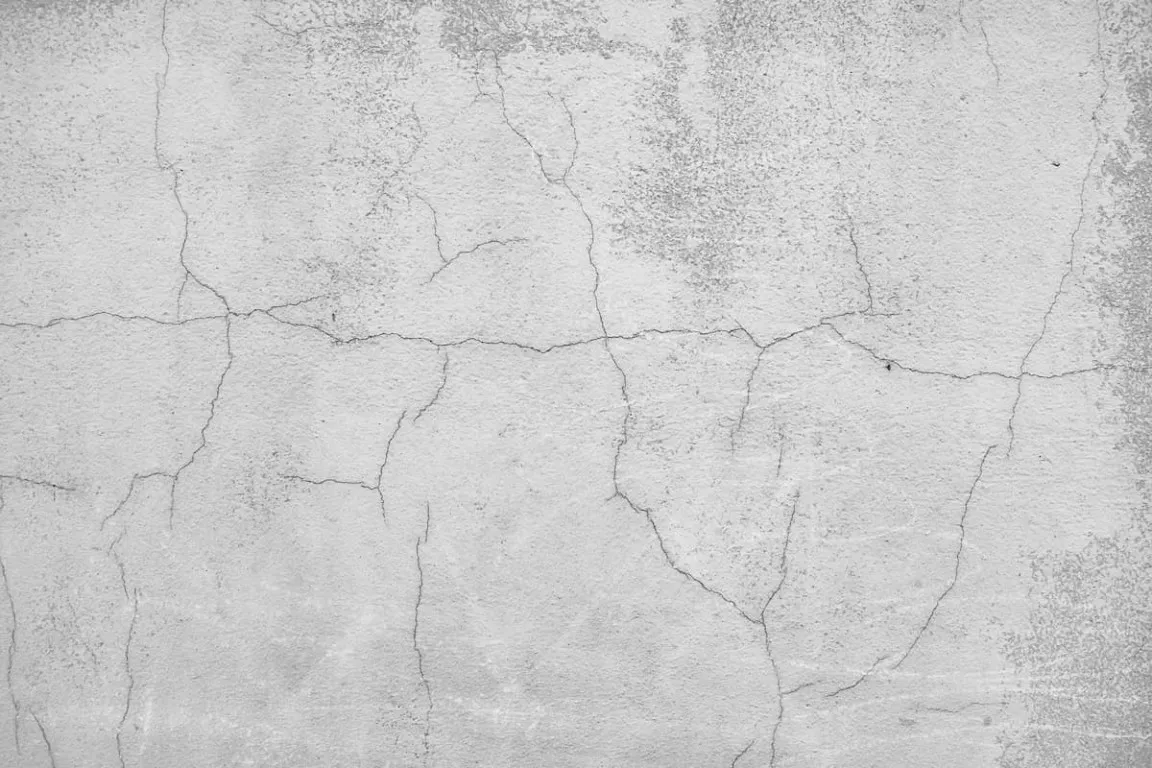
One of the most common challenges homeowners face is wall cracks, especially in industrial-style homes with exposed cement walls. Exposed walls aren't covered with paint, so you can't hide cracks.
Wall cracks can happen in all kinds of buildings, from homes and offices to large-scale buildings like malls or apartments. Causes vary, and so do the effects and how to fix them.
Check out the following article to learn about different types of wall cracks, their causes, and how to deal with them.
Types of Wall Cracks
Wall cracks generally indicate structural problems. However, cracks can also appear only on the surface, in the plaster layer. Natural factors like earthquakes can also cause wall cracks.
Here are some types of wall cracks you might come across:
1. Hairline Cracks
This type of crack is the most subtle, so it is often overlooked. Hairline cracks are thin and fine cracks on the wall surface that appear naturally.
On concrete walls, hairline cracks can result from several factors such as drying too quickly, drastic temperature changes, improper material mixing, or less-than-ideal curing processes.
Hairline cracks look like thin threads less than 0.1 mm. Even though they seem minor, if they appear, especially in large numbers and over long stretches, hairline cracks can affect the structural strength because foreign chemicals and water can slowly get absorbed.
2. Longitudinal Cracks
This type of crack appears and stretches straight, either vertically or horizontally.
Vertical cracks usually result from temperature changes or natural shifts in the house's foundation. They can show up around brick joints or where two walls meet. As a result, you might notice leaks without a clear source or walls that are tilting.
Horizontal cracks typically appear parallel to the ground because of soil movement or erosion, which can cause the foundation to shift. This type of crack is serious and needs to be addressed immediately.
3. Diagonal Cracks
Like the previous type, diagonal cracks are an early sign of foundation structural problems. These cracks usually appear in room corners or around door and window frames.
4. Shrinkage Cracks
If shrinkage cracks appear on the wall surface, you don’t need to worry too much because they usually only occur in the plaster layer. This type of crack happens when plaster shrinks during the drying process.
Factors that cause these plaster cracks include applying the plaster too thickly, using too much water in the mix, combining incompatible materials, and experiencing significant temperature changes while the plaster dries.
5. Compression Cracks
As the name suggests, compression cracks appear due to heavy loads on the wall structure. Usually, this type of crack appears on walls or columns in multi-story buildings. If a column cannot distribute the load properly, cracks will appear as a result.
6. Structural Cracks
This type of crack is often serious because it spreads into the brick structure. Structural cracks can be caused by strong earthquakes and soil shifts under the building's foundation.
7. Map Cracking
As the name suggests, this type of crack appears in a pattern that looks like interconnected streets on a map. These cracks show up on the surface of concrete walls or plaster layers.
Although not considered serious damage, map cracking can reduce the room's aesthetics because the network pattern is quite noticeable. These cracks occur due to an incorrect mix composition of plaster and concrete.
How to Fix Cracks on Walls
No matter the cause, wall cracks should not be ignored and should be addressed immediately. Cracks can reduce the aesthetic value of a room and building, and can even develop into more serious problems.
For fine cracks, such as hairline cracks, use wall filler/putty to fill the gaps. Before repainting, make sure you sand the wall surface first.
Meanwhile, corner cracks or long lines caused by structural shifts can be fixed with a sealant that is flexible and vibration-resistant, which can help prevent the wall from cracking again in the future.
If the crack is wide enough, use plaster or mortar to fill the gap. For deeper, larger cracks, use epoxy to bond the wall structure back together.
So, that concludes the information you need to know about types of wall cracks. Wall cracks can happen on any building wall. As a building gets older, especially on exterior walls, plaster and brick quality can naturally degrade.
Sunlight, rainwater, and humidity changes are the main factors that trigger these cracks, even without pressure from other external factors.
So choose a plaster material that also protects walls from moisture sources, like Semen Merah Putih Watershield. With water-repellent technology that provides anti-seepage protection from three sources at once (outside, inside, and from the ground), this cement keeps your building strong and low-maintenance.
Semen Merah Putih Watershield is a super-premium multipurpose cement for various applications, including foundations, concrete slabs, casting, bricklaying, plastering, and skim coating.
Contact Semen Merah Putih to consult about your project material needs. We are ready to help make your dream building come true with top-notch service and quality materials.