
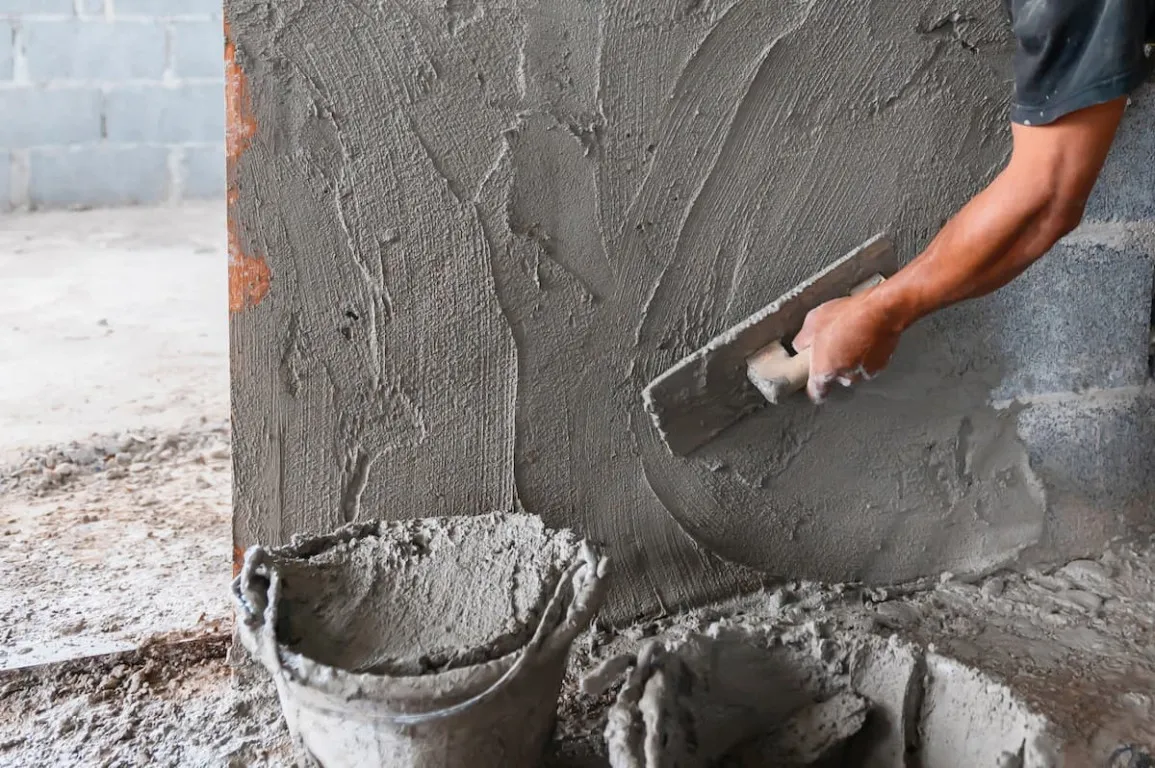
The quality of a building is not only determined by the main materials, such as bricks, concrete, or steel, but also by supporting materials that are often overlooked. One such important material is mortar.
Mortar serves as an adhesive and coating in various types of construction work, from bricklaying to wall plastering. Although it may seem simple, choosing the right type of mortar for the project is crucial to ensure the durability and safety of the building.
For that reason, let's explore the various types of mortar, their uses, and tips for choosing the right one for your building type.
What Is Mortar?
Mortar is a mixture of building materials consisting of cement, sand, and water that is used to bind bricks, stones, ceramics, or other construction materials together. In some types, mortar also contains lime, chemicals, or special additives to improve adhesion, flexibility, or water resistance.
The main function of mortar is as an adhesive between building structures. Additionally, mortar also helps level surfaces, fill gaps, and acts as a surface coating to provide a finish on walls or floors.
Functions of Mortar
Mortar has various functions in building construction. Here are some of the main uses of mortar in construction:
1. Brick and Block Installation
The main purpose of mortar is to bond red bricks, concrete blocks, or lightweight bricks together to form a strong and stable structure. Mortar fills the gaps between materials to prevent the wall structure from shifting and to enable it to support the load above.
2. Ceramic and Tile Installation
In ceramic or tile installation projects, mortar is used to attach tiles to the base surface. The type of mortar used for this purpose is special tile mortar, which is designed to have strong adhesive power.
3. Wall Plastering
During the plastering stage, mortar is used to coat the wall surface to make it smoother and flatter. Plastering also provides additional weather protection and serves as a base before painting or other finishing work is done.
4. Concrete Work
Concrete mortar is used in building structures that require extra strength, such as foundations and support pillars. Concrete mortar consists of cement, sand, and coarse aggregates, providing higher strength than regular mortar.
5. Building Repairs
Mortar is also used for building repairs, whether it is for patching cracks or replacing damaged parts. This type of mortar is usually more flexible and can be adapted to the type of material being repaired.
Read also: How Many m² Does a Sack of Plaster Mortar Cover? Find Out!
Types of Mortar
Mortar is available in various types with different characteristics and uses. Here are the types of mortar you need to know to determine the most suitable one for your building:
1. Cement Mortar
Cement mortar is the most commonly used type in construction work. This mixture consists of cement, sand, and water. Cement mortar is quite strong and rigid, making it suitable for brickwork, concrete blocks, and structural work that requires high compressive strength.
2. Lime Mortar
Lime mortar is made from a mixture of lime, sand, and water. This type of mortar is more flexible than cement mortar and can accommodate small wall movements, making it suitable for historic buildings or building restoration. Lime mortar is also more environmentally friendly because it uses natural materials and can last longer.
3. Smoothing Mortar
Smoothing mortar is a type of mortar used to level the surface of walls or concrete. This mortar usually consists of a mixture of cement, sand, and water, and is used to cover the surface of walls with a thin layer to achieve a smooth finish. Smoothing mortar is often used on interior walls to provide a neat and clean finish before painting.
4. Plaster Mortar
Plaster mortar is used to cover wall surfaces, whether brick, concrete, or stone walls. Plaster mortar has a coarser composition than plaster mortar, as its main purpose is to provide a thicker and stronger coating. Additionally, plaster mortar can also be used to coat exterior walls, which require extra protection against weather and moisture.
5. Sand Mortar
Sand mortar consists only of sand and water, without any cement. This mortar is used for decorative work and non-structural applications. Because it does not contain cement, sand mortar has lower adhesive strength, but is suitable for construction that does not prioritize structural strength.
6. Gypsum Mortar
Gypsum mortar is a type of mortar made from a mixture of gypsum, water, and other binders. This mortar is used for interior applications, especially for finishing walls and ceilings, because it provides a very smooth and easy-to-apply finish. Gypsum mortar is ideal for constructing ceilings, walls, or lightweight partitions.
7. Concrete Mortar
Concrete mortar is used in construction projects that require high strength, such as building foundations and pillars. This mortar consists of cement, sand, coarse aggregate, and water. Concrete mortar is stronger than regular mortar and can withstand heavy loads, making it suitable for large and multi-story building structures.
8. Refractory Mortar
Refractory mortar is used in places exposed to high temperatures, such as furnaces, kitchens, and power plants. This mortar is made from a mixture of fire-resistant materials that can withstand extreme temperatures.
9. Polymer Mortar
Polymer mortar is mortar that has been modified with the addition of polymer materials to increase its strength and adhesion. This type of mortar is often used for construction that requires stronger adhesion, such as installing tiles in damp areas, such as bathrooms or kitchens.
10. Expansive Mortar
Expansive mortar contains ingredients that cause it to expand as it hardens. Expansive mortar is used for jobs that require extra durability and is excellent for reinforcing concrete structures or repairing damaged concrete.
Tips for Choosing Mortars for Buildings
Choosing the right mortar for your building is crucial to ensure strength, durability, and cost efficiency. Here are some tips to help you choose the right mortar for your construction project:
1. Consider the Type of Work
The type of mortar you choose should be tailored to the project at hand. If you are laying bricks or blocks, cement mortar or lime mortar may be the right choice. For projects involving high temperatures, use refractory mortar. Be sure to choose the mortar type that best suits the specific needs of your project.
2. Consider Strength and Durability
Ensure that the mortar you choose has the strength and durability appropriate for the building’s function. Cement mortar and concrete mortar are more suitable for jobs that require high strength, while lime mortar is better suited to restoration projects that require flexibility.
3. Choose a Mortar That Is Easy to Use
Some types of mortar may be more difficult to mix and use. Select a mortar that is easy to apply based on the skills and experience of your construction team. Ready-mixed mortar can be a more practical choice if you want to save time and energy.
4. Consider Environmental Factors
If you are working on a project in an area with high humidity or extreme temperature changes, be sure to choose a mortar that is resistant to these conditions. Polymer mortar or refractory mortar may be the best choice for more extreme environmental conditions.
5. Consider Cost and Budget
Be sure to choose mortar that fits your project budget. Cement mortar is generally more affordable and can be used for various types of construction, while lime mortar and refractory mortar are more expensive. Determine your budget in advance and choose the type of mortar that best suits your needs in terms of price and quality.
Those are the types of mortar and tips for choosing them. In construction, whether it be a house or other building, it is not only the choice of mortar that needs to be considered. Other materials, such as cement, also play an important role in determining a building's strength and durability.
One of the best choices to ensure your building is sturdy and long-lasting is Semen Merah Putih Watershield. With its water-repellent technology, this cement provides double protection against water seepage from the outside, inside, and soil (capillary water), as well as moisture.
By using Semen Merah Putih Watershield, you not only get long-lasting construction quality but also extra protection against moisture problems, which are often the cause of building damage. So, what are you waiting for? Contact us now and consult further about your material needs for your project!
Read also: 15 Types of Raw Materials for Building and What They Do