
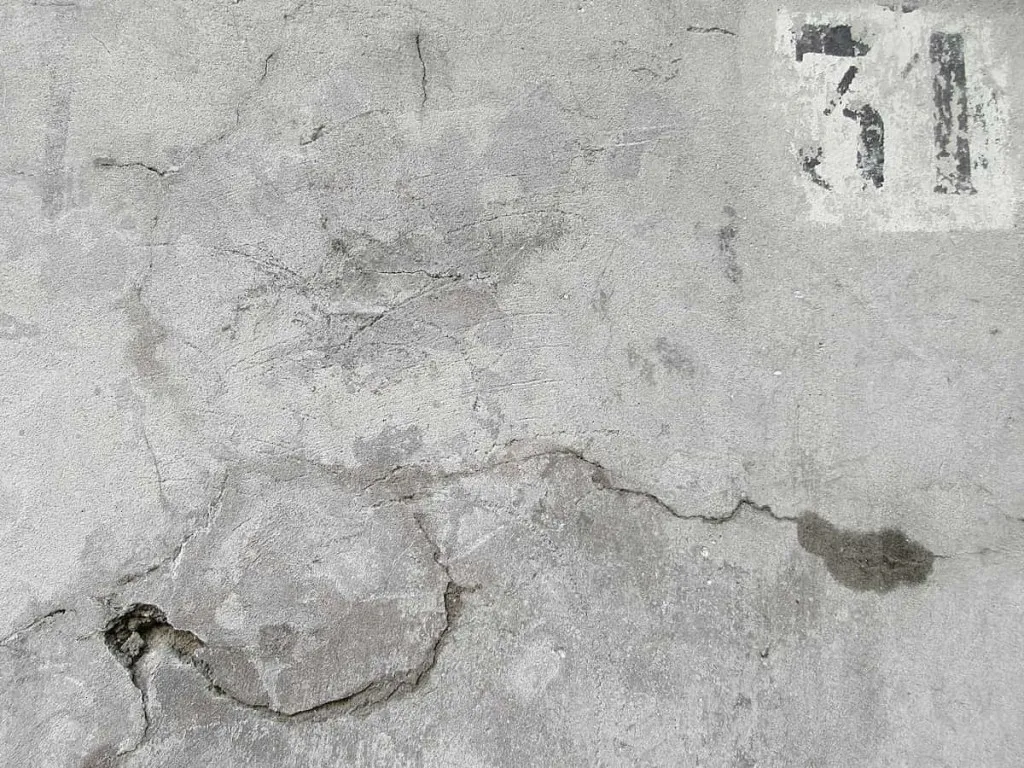
Have you ever seen hairline cracks in concrete, which appear as fine lines on the surface of floors or walls? Although they may seem insignificant, these small cracks can reduce the strength and appearance of concrete if left unrepaired.
Hairline cracks usually appear in the early hardening stages of concrete and are one of the most common problems in construction. If not prevented or treated properly, the damage can worsen and reduce the floor's durability.
To understand the causes of hairline cracks in concrete and effective measures to prevent them, read the full discussion in this article.
What Are Hairline Cracks in Concrete?
Hairline cracks in concrete are very fine cracks measuring less than 0.1 mm that appear on the surface of the concrete. Although they seem insignificant and do not directly affect the structure’s strength, these cracks can become entry points for water or chemicals that slowly damage the concrete from within.
Hairline cracks typically occur during the hardening process, either in the early stages after casting or when the concrete has been in use for a long time. In addition to affecting the appearance of walls and other parts, these cracks can develop into serious damage if not treated immediately.
Causes of Hairline Cracks in Concrete
Various factors, including both work process-related and environmental conditions, can cause hairline cracks in concrete. Here are some common causes you need to know:
- Concrete shrinkage during the drying process: As water evaporates, the concrete shrinks and causes tension on the surface, leading to fine cracks.
- Excessive drying: Concrete exposed to direct sunlight or high temperatures will lose water faster, making it more prone to cracking.
- Inappropriate material mixture: Excessive water content or an unbalanced material composition during production can make concrete more fragile and prone to cracking.
- Extreme temperature changes: Concrete that experiences frequent and drastic temperature changes, from hot to cold and vice versa, will expand and contract, causing hairline cracks.
- Improper curing: Improper curing is one of the main causes of fine cracks and can worsen the condition of the concrete surface.
- Excessive load before hardening: If concrete is subjected to excessive pressure or load before it is completely hardened, hairline cracks may appear as a sign that its strength is beginning to decline.
Read also: Identifying the Cause of Wall Cracks and How to Fix
The Impact of Hairline Cracks on Concrete
Hairline cracks in concrete are not just a matter of appearance. If left unrepaired, these fine cracks can lead to more serious damage. Here are some of the impacts to be aware of:
- Reduced aesthetics: The concrete surface appears untidy and detracts from the building's overall appearance.
- Causes structural damage: Cracks become entry points for water, chemicals, and moisture, which can cause corrosion of the reinforcement and damage the concrete from within.
- Reducing concrete durability: Over time, hairline cracks weaken concrete's protective layer and reduce its strength and durability.
Tips to Prevent Hairline Cracks in Concrete
To prevent hairline cracks from appearing in concrete later on, there are several preventive measures you can take from the outset. Here are some simple tips you can apply to keep your concrete strong and free of cracks:
1. Prepare the Installation Properly
The first tip to prevent hairline cracks in concrete is to properly prepare the installation. Before applying concrete, ensure the surface is clean, dry, and free of dirt, oil, and other contaminants.
If there are old cracks, repair them first before continuing the work. Additionally, maintain a balanced moisture content in the concrete, as a surface that is too damp can interfere with the adhesion of the floor reinforcement material.
2. Follow Standard Procedures
Ensure that each stage of concrete application is carried out in accordance with the technical guidelines, from material measurements and mixing methods to the recommended thickness. Allow sufficient drying time before proceeding to the finishing or additional coating process. Rushing the process or failing to follow standards can cause hairline cracks in a short time.
3. Use Concrete Reinforcing Materials or Additives
Adding additives or reinforcing materials can reduce the risk of hairline cracks from the outset. Products such as epoxy coatings or floor hardeners not only strengthen the concrete surface but also increase its resistance to pressure and temperature changes. Choose the type of product that suits your floor structure needs.
Read also: Get To Know Exposed Plaster: Its Advantages & How To Make It
4. Allow the Concrete to Dry Completely
Concrete needs time to dry completely. During this process, avoid strenuous activity on the surface. Ideally, the drying process should be conducted within 28 days by maintaining moisture through regular watering or other protective methods. Do not rush to use the floor before the concrete is completely dry.
5. Conduct Routine Inspections
To keep the concrete in top condition, conduct routine inspections of the floor surface. If hairline cracks are visible, repair them immediately using a special concrete sealant or polymer-modified cement-based filler. Furthermore, avoid exposure to harsh chemicals, as they can accelerate surface damage.
How to Fix Hairline Cracks in Concrete
To fix hairline cracks, the treatment steps should be adjusted according to the severity of the cracks. Here are some ways to fix hairline cracks that you can do:
- Check the condition of the concrete thoroughly: Analyse the extent of the damage to determine the appropriate repair method.
- Use crack filler: Fill small cracks with sealant, epoxy, or grouting to prevent water and chemicals from entering the concrete.
- Apply special cement for wide cracks: For wide cracks, use a cement mixture to fill the gaps and strengthen the concrete structure.
- Coat the surface with a protective material: Use a polymer-based elastic coating to cover fine cracks and protect the concrete surface.
- Use thin mortar on deep cracks: If the cracks are deep or extensive, apply a thin mortar layer to the surface to repair and enhance the concrete's appearance.
That concludes the explanations about the causes of hairline cracks in concrete and how to prevent them so that floors and walls remain strong and aesthetically pleasing. Even though the cracks seem small, the impact can be quite significant if left untreated.
For durable concrete results, choosing high-quality materials is also important. One such material is Semen Merah Putih Watershield, a premium cement with water-repellent technology that provides extra protection against water seepage from outside, inside, and the ground.
This technology helps prevent cracks caused by excessive moisture while strengthening the concrete structure and minimising maintenance.
With its premium quality, Semen Merah Putih Watershield is suitable for a range of applications, including foundations, concrete slabs, plastering, and rendering.
Want to know more about Semen Merah Putih products that suit your project needs? Contact us now to discover the best solution for high-quality and durable concrete results.
Read also: Recommendation for Wall Waterproof Coatings and Prevention Tips