
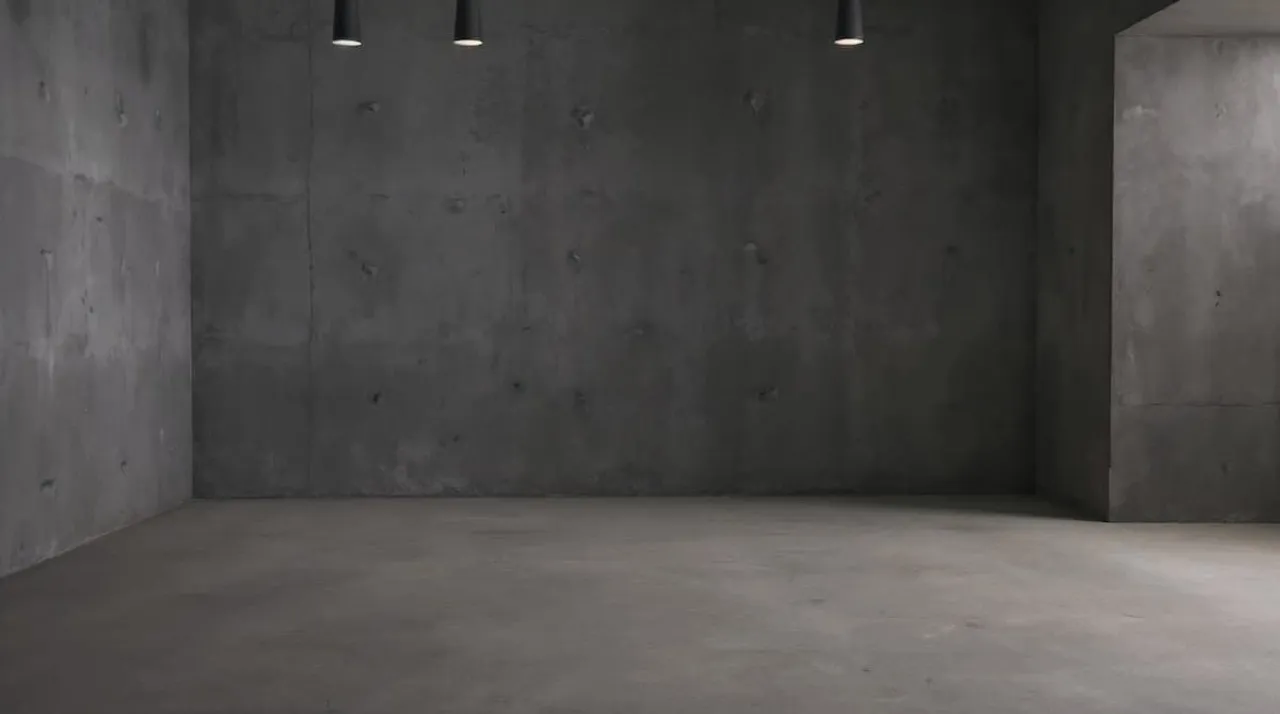
Industrial interior design is highly sought after by property owners who prefer a modern and minimalist aesthetic but still want to highlight a strong sense of character. The industrial style is characterized by the use of raw materials.
This style typically features exposed piping, iron accents, and a color palette of black, white, and gray. These characteristics often serve as the room's focal point.
One of the key features that most strongly defines the industrial style is exposed or unfinished concrete walls. This wall accent creates a minimalist look without feeling plain. Learn more about these walls in the following article!
What Are Exposed Concrete Walls?
Exposed concrete walls are a wall-finishing technique that intentionally leaves the concrete’s natural appearance visible without covering it with plaster or paint. The concrete applied to the wall is left to reveal its original color and texture.
Although they appear unfinished, exposed concrete walls are not created carelessly. If made using standard mortar typically used for bricklaying mixed only with water, the wall will be prone to hairline cracks and have a rough surface.
The process begins by ensuring the plastered surface is smooth and dust-free. Next, apply a special cement mixture to the wall. Once dry, the wall is treated to bring out the distinctive texture and color variations characteristic of exposed concrete walls.
The exposed concrete wall construction process is completed by applying a coating that seals in any remaining concrete dust and closes the wall’s pores, making it easy to clean, water-resistant, and mold-resistant.
Generally, exposed concrete walls are constructed using two techniques, kamprot and garuk. The kamprot technique creates exposed walls with a rougher, textured finish. Meanwhile, the garuk technique produces a pattern of lines or streaks.
Exposed concrete walls are versatile and can be used in various rooms, from living rooms and bedrooms to exterior facades. This wall style is ideal as an accent wall, with the texture tailored to the room’s function.
Read also: Understanding Contemporary Houses & The Design Inspirations
Advantages of Exposed Concrete Walls
Exposed concrete walls are popular not only for their attractive appearance but also for their durability and ease of maintenance. Here are some advantages of using exposed concrete walls in houses:
1. Easy Maintenance
The coating makes maintaining exposed concrete walls more practical. This coating keeps the surface dust-free and waterproof, and it prevents dirt from sticking easily.
If a stain occurs, simply wipe the wall with a damp cloth. Additionally, exposed concrete walls are a cost-effective long-term investment since you will not need to repaint them periodically.
2. More Durable
Proper application techniques and a protective coating give exposed concrete walls a longer lifespan than regular painted walls. This type of wall is more durable because it avoids peeling, chalking, and fading over time.
3. Lower Installation Costs
This wall-finishing technique cuts down on decorating costs, whether for paint or tile purchases. By using exposed concrete, you no longer need spackle, primer, or a topcoat, which typically require 2–3 coats.
Exposed concrete walls can also serve as an alternative to expensive wall tiles or granite. As a result, the walls retain an attractive appearance without breaking the bank.
4. Weather-Resistant
Essentially, the base material for exposed concrete walls is concrete or cement, which is known for its strength. However, since cement naturally has pores, the wall surface must be coated with the appropriate protective layer to withstand the elements.
For example, on an industrial-style facade, the walls must be protected with a special exterior coating that resists water and UV. This coating will seal the surface pores, keeping the walls free from moisture while preventing the color from fading due to sun exposure.
Read also: Size, Design Guide, & Tips for a Comfortable Prayer Room at Home
Disadvantages of Exposed Concrete Walls
Although they offer many advantages and high aesthetic value, exposed concrete walls also have several disadvantages to consider before choosing them. Here are some disadvantages to consider:
1. Requires Skilled Contractors
Building exposed concrete walls differs from the standard plastering process for walls that will later be painted. So you cannot just choose any contractor, as the work requires a skilled professional.
A skilled contractor can ensure the cement coating composition and the resulting unfinished texture are precise and don't look slapdash. If done carelessly, the walls may crack and appear patchy.
2. Prone to Hairline Cracks
By nature, cement shrinks as it dries and expands when exposed to heat. If the cement mixture is incorrect, the plastered wall isn’t fully dry, or special cement is not used, the exposed cement wall will be prone to hairline cracks.
The material’s plain appearance makes these fine cracks easy to notice. For some people, these cracks may enhance the raw, unfinished industrial look, but for others, they can detract from the aesthetics.
3. Difficult to Repair
In the event of damage, such as dents from furniture or nail holes, exposed concrete walls are more difficult to repair than standard walls.
On regular walls, you can patch minor damage with spackle and then repaint. Conversely, if you patch an exposed concrete wall, the new concrete will look different from the old, creating a patchy appearance that detracts from the aesthetics.
To achieve a flawless finish, the best option for repairing damage to an exposed concrete wall is to replaster it from scratch. That is why the repair process is challenging.
Read also: 10+ Minimalist and Functional Small Laundry Room Ideas
Decorating and Styling Tips for Exposed Concrete Walls
Beyond industrial style, exposed concrete walls are versatile and can adapt to other design concepts. Their predominantly gray color is neutral enough to serve as a backdrop for various themes. Here are some decorating tips.
- Choose Leather Sofas and Black Furniture. Brown or black leather sofas and furniture with black metal accents are the perfect combination to maximize the industrial style in your house. This style also conveys a masculine, minimalist vibe.
- Add Metal and Chrome Accents. To make your home feel more modern and minimalist, pair exposed concrete walls with sleek elements like metal, chrome, or glass furniture.
- Rattan and Ethnic Furniture. Exposed concrete walls can be styled in a rustic way by using rattan furniture, ethnic-style fabrics, and macramé wall hangings. This style helps make the room feel warmer and more natural.
Those are the complete details about exposed concrete walls. Although they don't require intensive maintenance, that doesn't mean exposed concrete walls can be left unprotected. Don't rely solely on a coating; the best protection starts with choosing the right base material.
To keep exposed concrete walls sturdy, durable, and protected against moisture over time, use Semen Merah Putih Watershield, which features water-repellent technology.
Its water-repellent technology provides comprehensive protection against seepage from three sources: the exterior, the interior, and the ground. This triple protection keeps buildings strong, durable, and low-maintenance.
Semen Merah Putih Watershield is a super-premium, multipurpose cement suitable for various construction applications, such as foundations, concrete slabs, cast-in-place concrete, bricklaying, plastering, and rendering.
Contact us to consult your construction needs. We are ready to provide superior service and the best products to help bring your dream house to life.
Read also: Glamping House Design: Concept, Facilities, and Inspirations