
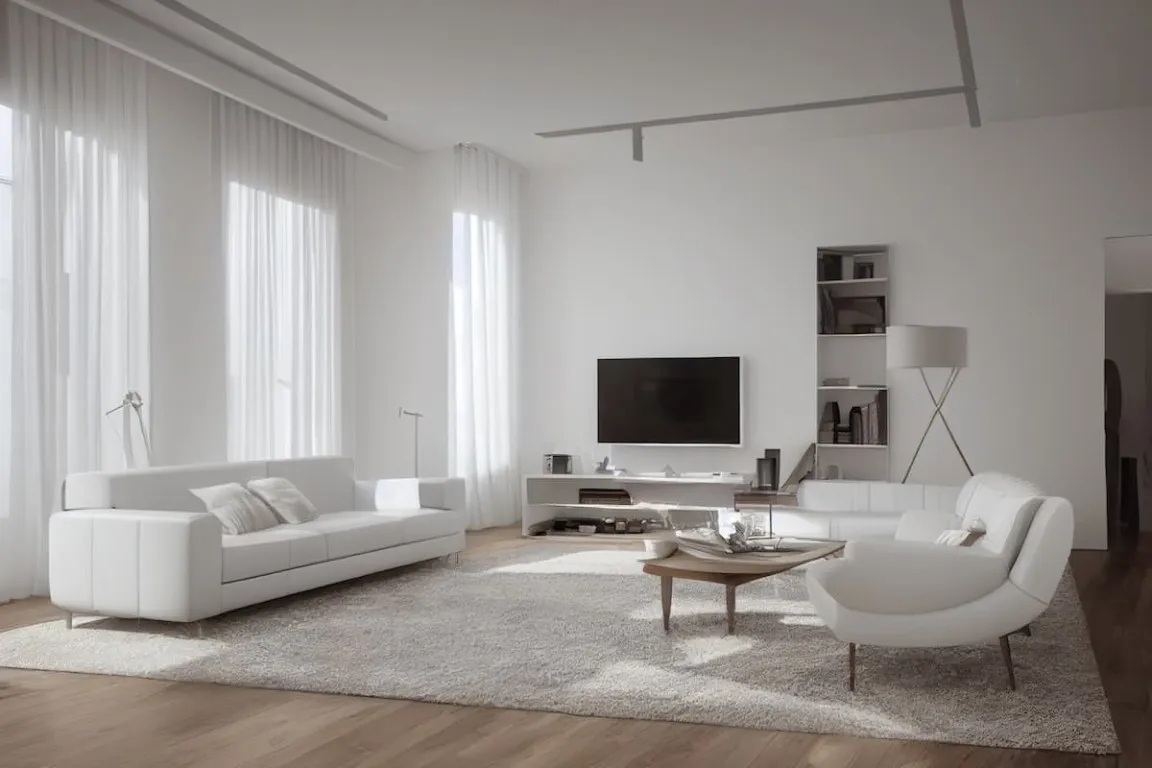
The living room is the first area guests see when they visit your house. It is therefore no surprise that many homeowners renovate their living rooms to create a more appealing and comfortable atmosphere that matches their desired interior style.
The good news is that renovations do not always have to be extensive or cost a fortune. With a few simple changes, you can create a fresh, new, and aesthetically pleasing atmosphere. From repainting the walls and updating the furniture to rearranging the room layout, all of these can form part of an effective living room renovation.
Whether you are planning a minimalist living room renovation or an aesthetically pleasing one, here are some ideas you can put into practice.
How to Renovate Your Living Room for an Aesthetic Look
You do not need to carry out a complete renovation. Here are some ideas you can implement to create a more aesthetically pleasing and comfortable living room:
1. Update the Wall Color
One of the easiest steps in renovating your living room walls is changing the paint color. Color has a significant impact on the overall atmosphere and appearance of a room.
To create a spacious and clean feel, you can choose neutral colors such as white, cream, light grey, or beige. Meanwhile, if you want to add a stronger character, earthy colors such as terracotta, olive green, or light brown can be an attractive choice.
In addition to repainting, you can renovate your living room walls by adding decorative panels, wall moldings, or specific textures to give the room more character.
Read also: 12 Living Room Wall Decorations, Aesthetic & Modern!
2. Maximizing Natural Light
Natural light can make a living room appear more spacious, brighter, and more comfortable. Therefore, when renovating a minimalist living room, ensure that sunlight can enter the room as effectively as possible.
You can enlarge window openings, use larger panes of glass, or minimize the use of partitions that block light. Besides creating an aesthetic appeal, natural lighting can also reduce the need for artificial lighting during the day, making it more energy-efficient.
If the layout of your house does not allow for additional windows, use light-coloured interior finishes so that light is reflected more effectively throughout the room.
3. Replacing the Rug
A rug is a decorative element that can significantly transform the living room’s appearance. The right rug can create a warm atmosphere while emphasizing the interior design concept.
For a minimalist living room, choose a rug with a simple pattern and neutral colors. For a modern or bohemian style, you can use a rug with geometric or ethnic patterns as the room’s focal point.
Ensure the rug’s size is suitable for the living room’s dimensions so that the room’s proportions remain balanced.
4. Replacing Curtains
Curtains are often an overlooked element when renovating a living room. Yet, choosing the right curtains can enhance both the aesthetics and functionality of the room.
To create an elegant and modern look, use linen curtains or sheer curtains that gently filter the light. Choose colors that complement the interior theme to give the room a more harmonious appearance.
Aside from enhancing the room’s appearance, curtains also help maintain privacy and control the amount of light entering the house.
Read Also : 12+ Essential Roofing Materials: Functional and Popular Choices for Your Home
5. Replacing Furniture
If your living room furniture looks worn out or no longer fits with the latest design trends, replacing it can be a wise investment.
Instead of buying all new furniture, you can choose a few key pieces, such as a sofa, coffee table, or storage unit, that are more modern and functional.
For a minimalist living room, choose furniture with a simple, multifunctional design that does not take up too much space. Proportional furniture will make the living room feel more spacious and comfortable to use.
6. Adding Decor
Decor is an element that can add a personal touch to your living room. You can add various accessories, such as:
- Paintings or wall art
- Decorative mirrors
- Wall shelves
- Sofa cushions with attractive patterns
- Displays or your favorite collections
However, avoid using too many decorations so that the room does not look cluttered and cramped. Choose a few elements that truly complement your desired interior design concept.
7. Adding Houseplants
Houseplants remain a popular interior design trend to this day. The presence of plants can bring a fresh, natural feel, making the living room feel more vibrant.
Some types of plants suitable for indoor use include:
- Monstera
- Snake Plant (mother-in-law’s tongue)
- Peace Lily
- Pothos
- Philodendron
Beyond beautifying the room, some plants are also known to help improve indoor air quality.
8. Creating a New Design and Layout
Changing the arrangement of furniture is often a simple solution that significantly impacts the look of the living room.
Try reassessing the positioning of the sofa, table, shelves, and other decorative items. With a more efficient layout, the living room can feel more spacious and have a more comfortable flow of movement.
Before starting the renovation, it is best to draw up a clear design concept first so that every element added remains harmonious. This step also helps to control the cost of the living room renovation so that it does not exceed the budget set aside.
Read also: 10+ Comfortable and Minimalist Modern Homes Designs
How to Save Money on a Living Room Renovation
Renovating a living room does not require a massive budget or complete structural demolition. Apply these cost-saving strategies to achieve a premium look on a budget:
1. Overlay Existing Flooring Instead of Demolishing
Demolishing existing ceramic tiles incurs high labor and debris removal costs. Save significantly by installing Stone Plastic Composite (SPC) or click-lock vinyl flooring directly over the old tiles. This overlay method installs in 1–2 days with minimal labor expense.
2. Upcycle and Re-Upholster Existing Furniture
Avoid replacing structural furniture items. If your sofa frame is sound, simply re-upholster it using durable neutral fabrics like linen blend or micro-velvet. Refinish solid wood coffee tables with fresh sand-and-stain treatments to restore their original charm at a fraction of buying new.
Read Also : 3 Recycled Material Applications for Construction
3. Create an Accent Wall with Paint and Simple Moldings
Rather than covering walls in expensive wood paneling or imported wallpapers, transform the space using paint. Paint a single accent wall in a deep neutral shade or install cost-effective MDF wall moldings prior to painting to create an upscale architectural feature affordably.
4. Preserve Existing Electrical Infrastructure
Rerouting electrical wiring and chasing walls for new junction boxes increases labor costs quickly. Retain existing ceiling light points and main wall switches. To adjust room ambience, integrate plug-in floor lamps or table lamps using existing wall outlets.
Design Concepts for a Super Cozy Living Room
True living room comfort stems from a balance between aesthetic harmony and functional ergonomic design. Consider these cozy spatial concepts:
1. Livable Warm Minimalism (Earth Tone Palette)
Incorporate warm neutral tones such as beige, cream, sand, and light oak wood. Avoid stark, cold whites to foster an inviting environment. Layer tactile textures using knitted cushion covers, linen drapes, and soft short-pile area rugs.
2. Open-Plan Layout with Natural Ventilation
A comfortable space must remain bright and airy. Merge your living area with dining zones by removing non-load-bearing partition walls. Install large glass sliding doors or wide windows to maximize daylighting and cross-ventilation, keeping indoor air crisp.
Read Also : Get the Tips and Inspiration for an Old House Renovation!
3. Lounge-Centric Layout with Deep-Seated Sofas
The centerpiece of living room comfort is seating ergonomics. Specify deep-seat sofas (minimum 60–70 cm seat depth) filled with high-density foam cores. This layout caters perfectly to lounging, reading, and casual family gatherings.
4. Biophilic Living Room Concept
Introduce natural elements to enhance indoor air quality and visual comfort. Integrate low-maintenance indoor greenery like Fiddle Leaf Figs, Snake Plants, or Monsteras in terracotta planters, paired with natural linen window sheers and warm-white (3000K) ambient lighting.
These are a few living room renovation tips that you can put into practice. With careful planning, the renovation process can run more smoothly and create a living room that is not only visually appealing but also comfortable for everyday use.
Renovating a living room does not always require major changes. By updating the wall colors, replacing furniture, adding decorations, or even rearranging the room layout, you can create a more comfortable and aesthetically pleasing living room.
If your living room renovation involves construction work, wall repairs, or areas at risk of water seepage, ensure you use high-quality building materials to create a more durable and long-lasting building.
For extra protection against seepage and damp, use Semen Merah Putih Watershield, which features water-repellent technology to help protect against seepage from three sources (external, internal, and ground).
Entrust your construction needs to us. With high-quality cement products and the best service, we are ready to help bring your project to life, making it stronger, more efficient, and more successful. Contact us now!
Read also: Ideal Living Room Size Based on House Type for Comfort