Roofs don’t just protect buildings from heat, rain, and extreme weather; they also affect a home's comfort and appearance.
That’s why the right roofing material for your house should match your needs, from durability and heat insulation to aesthetic value.
Each roof building material has its own characteristics, advantages, and disadvantages, so it is important to understand them before making a choice.
To avoid choosing the wrong one, understand the different types of roofing materials for homes, along with their functions and benefits, in the article below!
Types of Residential Roofing Materials
A roof protects a building from heat, rain, and other environmental factors that can affect its durability.
Roofing material also affects comfort, appearance, and construction costs. To avoid choosing the wrong one, here are some common roofing materials.
1. PVC Roof
PVC, or polyvinyl chloride roofing, is one of the roofing materials that can withstand various weather conditions at a relatively affordable price. For this reason, this type of roof is quite often used in commercial buildings or modern-style houses.
However, this material is quite sensitive to temperature changes and has a relatively shorter lifespan. Each roofing material has its own advantages and characteristics, so choose the one that best fits your needs.
2. Sand Metal Roof
The mix of metal and sand makes this roofing material tough in extreme weather while also dampening noise. It has a unique look and can be a great choice for various home needs.
However, you will need to budget a bit more since it is relatively expensive, and it requires extra protection so the surface does not scratch easily.
Read also: 10 Long-Span House Roof Models, from Traditional to Modern!
3. Shingle or Ulin Roof
Made from hardwood like merbau or meranti, this roof type is often used on traditional buildings to create a natural, warm impression. However, because the material is quite heavy, you need a strong supporting structure. Installation is also relatively expensive.
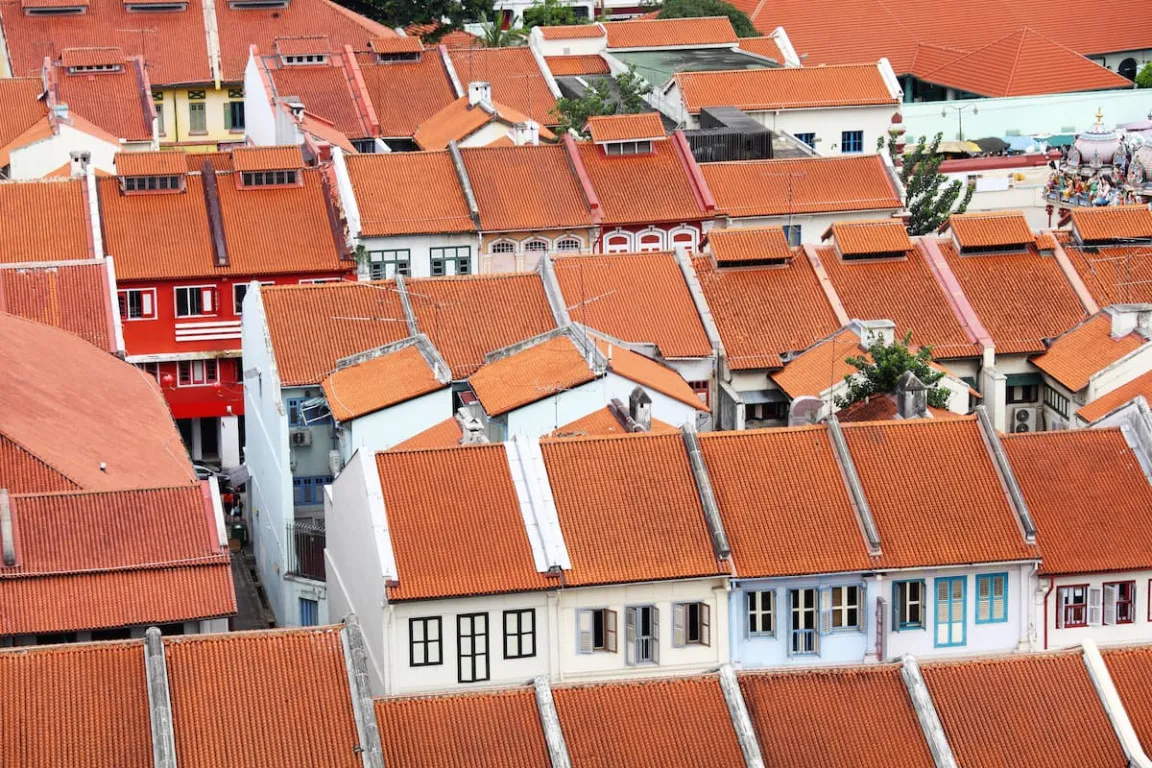
4. Ceramic Tiles
Made from clay, ceramic tiles are produced through a high-temperature firing process, giving them a smoother appearance compared to regular clay tiles.
Ceramic tiles are a good roofing material for houses, providing an elegant look and good durability.
5. Multiroof Roof
Made from composite materials, like resin-reinforced fiberglass, this roof is lightweight yet durable. Another advantage is that the material is flexible and can be shaped according to the desired design. However, the material cost is relatively high, and the installation process requires special skills.
6. Metal Roof
Made from materials such as steel, aluminum, or zinc, this type of roof is lightweight, long-lasting, and corrosion-resistant. Metal roofs are very popular because they are easy to maintain and can withstand strong wind loads. However, the cost is relatively high, and the material is prone to damage if hit by hard objects.
7. Glass Roof
This roof option is often used to maximize natural light while creating a modern, open feel, like in a home's atrium. However, glass is prone to scratches and breakage, and it requires regular maintenance to stay clear.
You also need to consider placement carefully, especially in Indonesia's tropical climate. Too much sunlight not only makes the room feel hot but can also discolor the furniture underneath due to UV rays.
Read also: 10+ Shed Roof Houses Inspirations, Modern & Unique!
8. Concrete Roof
Using precast beams or concrete poured directly on-site, this material offers very strong structural strength, durability, and flexibility to be shaped in various patterns. However, its heavy weight means you need a sturdy support structure. In addition, the installation cost is also considered high.
9. Asbestos Roof
Popular because it is cheap and lightweight, this material, made of mineral fibers compressed with cement or resin, is known to be tough against fire and external weather.
However, asbestos roofs tend to crack due to temperature changes. Today, its use is steadily declining to protect homeowners' safety and health.
10. Clay Roof Tiles
One of the most common choices, this traditional material is made by firing clay at high temperatures, making it durable in various weather conditions.
Although it gives your house a classic look, its weight requires a sturdy support structure. Plus, installation requires special skills to ensure it looks neat and doesn't leak.
11. Polycarbonate Roof
Its lightweight, heat-resistant properties and ability to filter UV rays without blocking sunlight make this roofing material popular for canopies or open areas of the house. While highly functional, it tends to scratch easily, may yellow over time, and requires regular maintenance to stay clean.
12. Shingle Roof
Made from asphalt or wood fibers, this type of roof offers high durability and a unique aesthetic for your home. Its visual characteristics work really well on American or Scandinavian-style houses.
However, consider the relatively high cost, the complicated installation process, and the need for regular maintenance to maintain its quality.
Read also: 9 House Rooftop Recommendations and Tips to Make Them
13. Layered Metal Roof
A combination of metal with an aluminum coating and insulation effectively reduces sunlight reflection, helping to keep the room cool.
Besides being lightweight, affordable, and rust-resistant, this material tends to have a shorter lifespan and can be noisy during rain if installed without an insulation layer.
14. Onduline Roof
Made from a mix of cellulose fibers and asphalt, this material is known for reducing heat effectively. Its lightweight, durable, and eco-friendly properties make it a great choice for homes.
However, you should keep in mind that its color tends to fade over time, and the surface is prone to damage if stepped on.
15. Zincalume Roof
A high-strength mix of zinc and aluminum makes this material lightweight, rust-resistant, durable, and good at reflecting heat.
Although its installation process is fairly easy and efficient, this type of roof can be noisy during rain, so it requires an additional insulation layer for better results.
So, those are the various types of functional roofs that you can use as a reference for your dream home. To ensure the building stands strong and lasts long, use high-quality materials from the start of construction.
As an option to support your construction needs, you can rely on Semen Merah Putih Watershield. This super-premium, multi-purpose cement offers many advantages over regular cement and is ideal for all building applications, from foundations and concrete slabs to casting, brickwork, plastering, and finishing.
Thanks to its water-repellent technology, this cement provides triple protection that shields the building from water seepage from three directions at once (outside, inside, and the ground). As a result, your building becomes much stronger, more durable, and low-maintenance.
Interested in building a strong, beautiful home? Contact us now to get the best construction material services and solutions. We are ready to help make your dream project a success!
Read also: What Is the Standard Roof Pitch? Here Is the Explanation!