
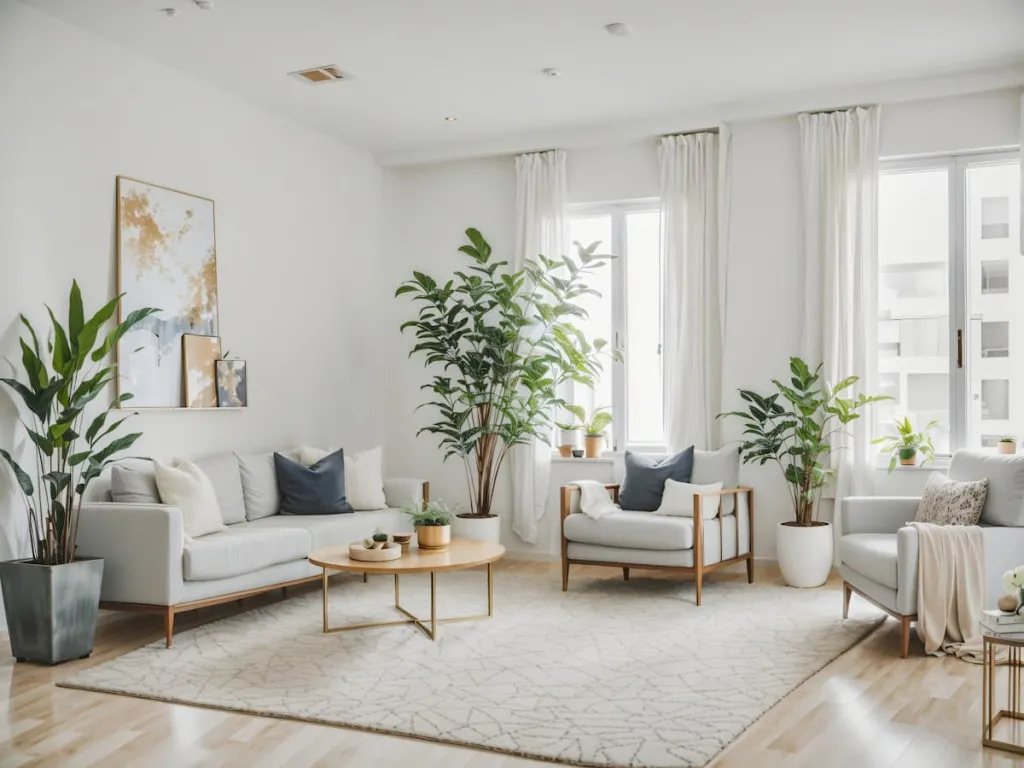
The living room is an important area in a home because it serves as a place to receive guests and a gathering area for the family. Therefore, determining the ideal living room size should be considered at the house planning stage. A room that is too small can feel cramped, while a room that is too large can reduce the efficiency of space use.
Besides the room size, the comfort and aesthetics of the living room are also influenced by various factors, such as lighting, air circulation, furniture arrangement, and additional elements like wall decorations. Let's take a closer look at the ideal living room size in the article below.
Ideal Living Room Size Based on House Type
Each type of house has different space needs. Here’s a guide to living room sizes that can be used as a reference:
1. Living Room for House Type 35–45
Houses of type 35 to 45 generally have limited building area, so the living room needs to be designed efficiently. The ideal living room size for this type of house ranges from 2.5 x 3 meters to 3 x 3 meters.
This size is enough to place a two-seater sofa, a compact coffee table, and a comfortable circulation area. In this type of house, the concept of a living room that connects to the family room or dining area is also commonly used to create a sense of more space.
2. Living Room for 60–90 Type Houses
In houses ranging from type 60 to 90, the available space is usually more flexible. The ideal living room size can range from 3 x 4 meters to 4 x 5 meters.
This size allows you to add an L-shaped sofa, a larger coffee table, and decorative elements such as display shelves or ornamental plants. The room can also be designed with a clearer functional division between the living room and the family area.
3. Living Room for 100 Type and Above
Houses with a building area of over 100 m² have greater freedom to determine the size of the living room. Generally, the ideal living room size ranges from 4 x 5 meters to 5 x 7 meters or more.
A large living room allows for a more diverse range of furniture arrangements and creates a luxurious impression. However, it is important to maintain a balance between the room size and furniture so the space does not look empty or overcrowded.
Read also: 10+ Minimalist and Functional Small Laundry Room Ideas
Factors That Can Affect the Size of the Living Room
Besides the size of the house, several other factors influence the comfort of a living room, including:
1. Ceiling Height
The height of the ceiling has a big impact on the perception of space. If you want the room to feel bigger and taller, you might consider a house design without a ceiling. This design creates a more spacious impression even with a limited floor area. On the other hand, a ceiling that is too low can make the room feel cramped and less comfortable.
2. Lighting
Room lighting, whether natural or artificial, can help create a sense of spaciousness in the living room. Having enough window openings allows sunlight to enter optimally, making the room look brighter and fresher.
Bright wall paint colors can also help reflect light, making the living room feel larger than it actually is.
3. Air Circulation
Good ventilation makes the living room feel more comfortable and not stuffy. Rooms with good air circulation usually give a more open impression than closed rooms with minimal ventilation. For this reason, the placement of windows and vents needs to be considered from the house design stage.
4. Room Access
The position of the entrance, access to the family room, and the pathways to other areas in the house also affect the size of the living room. The more access points are connected, the larger the circulation area required to keep occupants comfortable.
How to Optimize the Size of Your Living Room
Not every house has a spacious living room. However, with the right arrangement, a small living room can still feel comfortable and appealing. Here are some tips:
1. Use Sleek Furniture
Choose furniture with simple designs and dimensions that match the room size. Avoid using sofas or tables that are too large, as they can obstruct movement. Furniture with open legs can also make the space feel more open than closed-design furniture.
2. Use Multifunctional Furniture
Multifunctional furniture is a practical solution to save space. For example, a coffee table with extra storage or a bench that can also serve as storage. This way, the living room stays tidy without needing much extra furniture.
3. Using a Carpet of the Right Size
A carpet can help define the living room area while also increasing comfort. However, the carpet size needs to match the room's dimensions. A carpet that is too small can make the space feel unbalanced, while a carpet that is too large can make the room look crowded.
4. Hanging Curtains Higher
One simple trick to create the illusion of a taller space is to hang curtains close to the ceiling. This technique can make the windows look bigger, making the living room feel more spacious and elegant. Also, using light-colored curtains can help maximize natural light.
Read also: 9 Unique Floor Ideas Without Tiles: Elegant & Aesthetic!
Common Mistakes in Arranging a Living Room
Even though it seems simple, many homeowners still make mistakes when setting up their living rooms, such as:
- Using furniture that is too big for the size of the room.
- Placing too many decorations makes the space feel crowded.
- Ignoring circulation areas as well as entry and exit points.
- Choosing wall colors that are too dark in a small room.
- Arranging furniture without considering the functionality and comfort of the users.
- Not making the most of the available natural lighting.
Avoiding these mistakes can help make the living room feel more comfortable, functional, and visually pleasing.
The ideal size of a living room is not determined solely by the size of the house but also by room arrangement, lighting, ventilation, and the right choice of furniture. Even in homes with relatively small living rooms, the atmosphere can still feel comfortable if each element is planned optimally.
Besides interior design, the quality of building materials also needs attention so that the living room remains comfortable and durable. Damp walls caused by water seepage, for example, can disrupt the room's appearance and reduce occupants' comfort.
To help protect the building from water seepage, you can use Semen Merah Putih Watershield. Its water-repellent technology helps keep walls strong, resistant to dampness, and more durable against various weather conditions. This way, the living room can stay neat and comfortable, supporting everyone's comfort in the house in the long term.
Read also: 10+ Comfortable and Minimalist Modern Homes Designs