
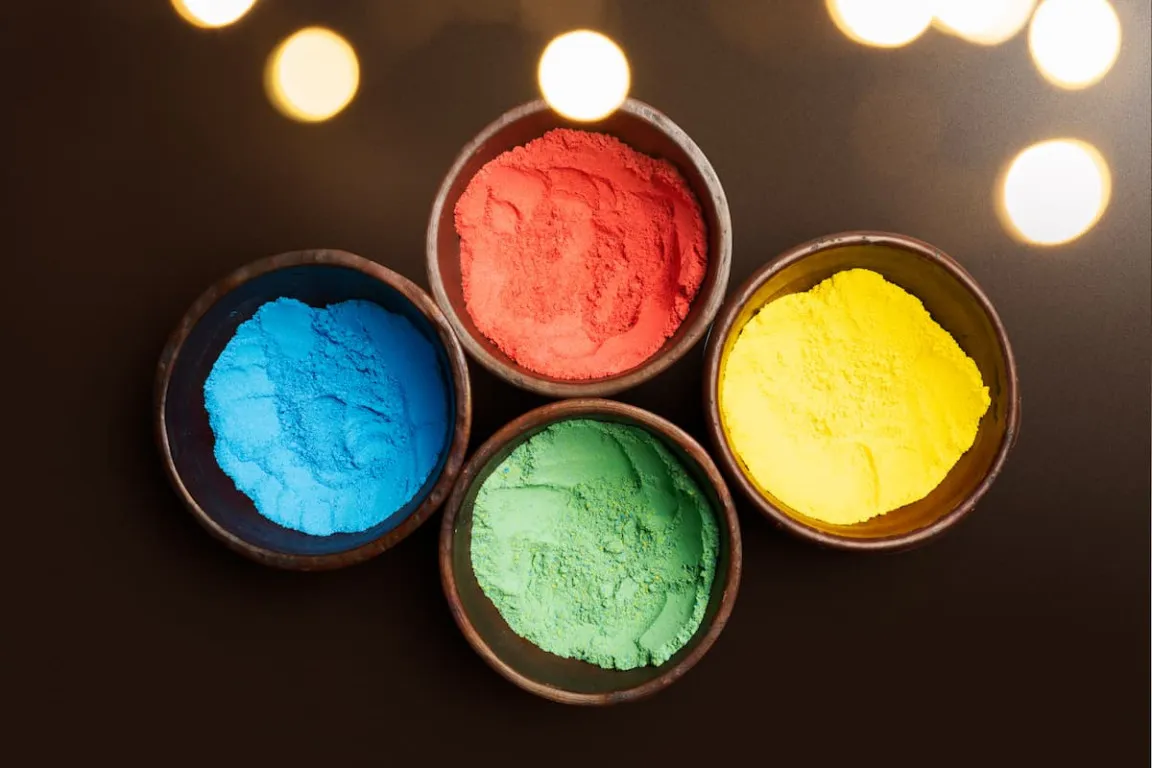
Every building material is designed with its own specific function and role, including cement. Generally, cement is the primary material for building walls, bonding bricks, plastering walls, and forming building structures.
However, there is also a special type of cement known as colored cement. Colored cement comes in a variety of colors and is primarily used for decorative and aesthetic purposes. Learn more in this article!
What Is Colored Cement?
Unlike regular cement, colored cement can be used as a grout to fill gaps during the installation of ceramic tiles or granite. Unlike regular cement, which is gray, colored cement is available in a wide range of colors.
This innovation in building materials is an excellent solution if you want to add a splash of color to enhance the aesthetic appeal of your house. Colored cement derives its color from a mixture of mineral pigments.
The base material for colored cement is Portland cement. Cobalt is used to produce blue, manganese dioxide for black and dark brown, iron oxide for red, brown, and yellow, and chromium oxide for green.
Colored concrete can be used in various interior applications, such as floor tiles, wall tiles, kitchen countertops, and other furnishings. For infrastructure projects, colored concrete can be used in city plazas and sidewalks. This material is also frequently used by retail stores and offices seeking to give their buildings a unique look.
When applied to floors, colored cement can create a bright and modern atmosphere. Meanwhile, it can be an ideal choice to enhance the appeal of your accent wall.
Colored cement offers advantages that make it not only visually appealing but also practical. Here are some of the benefits of colored cement.
- Low Maintenance. The color pigments in this material are evenly mixed into the cement powder, so the color is integrated into the cement’s structure. As a result, the color is more durable, will not fade due to friction, and is free from the risk of peeling, unlike painted surfaces.
- High Durability. This material has high durability comparable to standard Portland cement. Colored cement also has high adhesion, supported by its smooth texture, allowing it to bond firmly to wall surfaces.
- Attractive Appearance. Colored cement is available in a variety of colors that can enhance the aesthetic value of your house.
Read also: Minimalist 2-Story Houses: 10 Trendy Designs & Aesthetic Ideas
Functions of Colored Cement
Although popular as an aesthetic and decorative element, colored cement also serves several other functions in construction. Its smooth texture and strong adhesion make it versatile. Here are some of the functions of colored cement in construction.
1. Covering Wall Cracks
When walls have hairline cracks or fine gaps, the standard repair process usually takes quite a long time because it involves applying a base white plaster, waiting for it to dry, and then painting it to match the wall’s original color.
However, with colored cement, this repair process becomes more efficient. You simply use cement that matches the wall’s paint color, so the cracks can be covered more neatly without the need for repeated painting. This way, you can save time, effort, and costs.
2. Repairing Peeling Paint
If frequently exposed to moisture, the walls of your house can peel and flake off. Colored cement can be used to repair these areas. This layer of cement can conceal the wall’s pores, resulting in a smoother, more even surface.
3. Filling Tile Grout Lines
This is one of the most common uses. While tile grout lines are typically filled with white cement or grout, you can enhance the aesthetic appeal of your tiles by using colored cement.
In addition to enhancing the visual appearance so that floors or walls look neat, grout plays a crucial role in preventing dirt buildup, mold growth, and water penetration beneath the tile surface. If the grout is not tight, water can seep beneath the tiles, causing moisture buildup and risking the tiles lifting.
Before filling the grout lines with colored grout, clean the tile joints of dust and any remaining cement residue. Prepare the colored grout so that its consistency is not too runny to maintain its color, then press the mixture firmly into the joints until they are filled without any air pockets. Next, immediately wipe away any excess grout from the tile surface using a damp sponge before it hardens.
Read also: Tips to Make Durable Cement Walls That Do Not Crack Easily
How to Select Proper Cement for Your House
Each type of cement has different characteristics and functions. To ensure you make the right choice, here is a guide to selecting cement for your house based on its purpose.
- Foundation & Structural Applications. Choose Ordinary Portland Cement (OPC) because it withstands high pressure.
- Wall & Plaster Applications. Use Portland Composite Cement (PCC), which is smooth, easy to apply, and has a relatively low risk of cracking.
- Applications in Damp Areas. Use Portland Pozzolan Cement (PPC), which is water-resistant and resistant to chemical attack.
- Quick & Convenient Applications. Use ready-mix mortar, which is convenient since you only need to add water.
- Finishing & Decorative Applications. Use white cement that is clean and has a fine grain.
That concludes our explanation of colored cement and its uses. Although it is generally used as a decorative element, colored cement also serves other functions. For the best results in your construction projects, choose the highest-quality materials, such as Semen Merah Putih Watershield.
Semen Merah Putih Watershield is a super-premium, multipurpose cement with numerous advantages. This material can be used in a wide range of construction applications, including foundations, concrete slabs, concrete pouring, bricklaying, plastering, and rendering.
The water-repellent technology in the Semen Merah Putih Watershield formula provides triple protection for buildings, shielding them from moisture seepage from three sources, namely from the outside, the inside, and the ground, making the building more durable and low-maintenance.
Contact us for a consultation regarding your project needs. We are ready to support you in achieving a successful project with the best services and products!
Read also: 7 Types of Wall Materials: Understand Their Pros and Cons!