In the building construction process, careful planning is required for each component to ensure a sturdy, safe, and aesthetically pleasing structure. One of the most crucial stages is determining the materials to be used, from the foundation structure and type of cement to selecting the right wall materials.
The choice of wall materials cannot be made haphazardly, as each type has its own characteristics, functions, and respective advantages and disadvantages. In Indonesia, several types of wall materials are commonly used and can be selected and tailored to your building's needs.
Types of Wall Materials That Are Commonly Used
The type of wall material can be determined based on the building’s function or use, geographical conditions, and weather conditions to ensure long-term safety and comfort.
In addition to these factors, you may also want to consider budget efficiency, installation time, and the availability of materials and skilled labor for the project. Here are some of the most commonly used wall materials in Indonesia:
1. Red Brick Walls
Red brick walls are the most commonly used type in Indonesia. Made from clay, part of the production process is still carried out using traditional methods, so the bricks tend to be imprecise in size and inconsistent in shape.
Nevertheless, this material remains the top choice for many due to its flexibility and high resistance to various weather conditions. In tropical countries like Indonesia, red brick walls are relied upon for their ability to absorb solar heat, which helps maintain a stable indoor temperature.
This material is dense and sturdy, making it durable over the long term and highly resistant to fire. However, installation takes longer and requires a sufficiently thick layer of mortar to ensure the wall surface is smooth and even.
Another drawback is its relatively heavy weight, which places additional strain on the foundation. As a result, this material is generally best suited for buildings that are not too tall, such as one- or two-story homes.
Read also: Understanding Trasram Plaster: Its Function & How to Make It
2. Concrete Block Walls
Concrete blocks are generally large, measuring approximately 40 × 20 × 10 cm, and are made from a cement mixture. They are produced using machine molds, ensuring uniform shape and size.
The main advantages of batako walls are time and cost efficiency in construction. Their large size allows for faster installation and reduces the amount of mortar needed. The relatively low cost of batako makes it a popular choice for projects with limited budgets.
The hollow structure of concrete blocks makes them more brittle and prone to cracking compared to solid red bricks. This material also absorbs heat, resulting in relatively high indoor temperatures.
Given these characteristics, this type of material is generally used in projects that prioritize functionality, such as fences, warehouse walls, or homes in areas with cooler climates.
3. Concrete Walls
Concrete walls are made from a mixture of cement, gravel, sand, and water, resulting in a strong, sturdy, and durable structure. As a result, this type of wall material is widely used in large-scale projects such as high-rise buildings, towers, and even dams.
Concrete walls have high strength to withstand heavy loads and pressure. Since they have no joints, this material effectively prevents seepage and offers high resistance to earthquakes and fire hazards. However, constructing concrete walls requires high costs, time, and labor.
4. PVC (Polyvinyl Chloride) Walls
PVC walls are made of a plastic polymer material available in a variety of patterns. The main advantages of this material are its water-resistant and termite-resistant properties, as well as its easy installation using an interlocking method.
Due to their practical and aesthetic characteristics, PVC walls are commonly used as interior decorative elements or semipermanent room dividers. Although practical, this material is susceptible to damage or punctures if subjected to hard impacts or scratches from sharp objects.
Read also: The Difference Between Subsidized and Commercial Houses!
5. Glass Walls
Glass walls are a material that can be used in both the exterior and interior of a building. On the exterior, this material is often used as the facade of office buildings or shopping centers, while indoors, glass walls are ideal for use as room dividers, such as in meeting rooms.
To ensure safety, specialized glass types such as tempered or laminated glass are used, which can give a room a minimalist, spacious, and luxurious look.
However, the use of glass walls requires careful planning because this material has low thermal insulation. If used excessively in areas heavily exposed to sunlight, the glass will transmit heat into the building, creating a “greenhouse effect” that raises the room temperature.
6. Wooden Walls
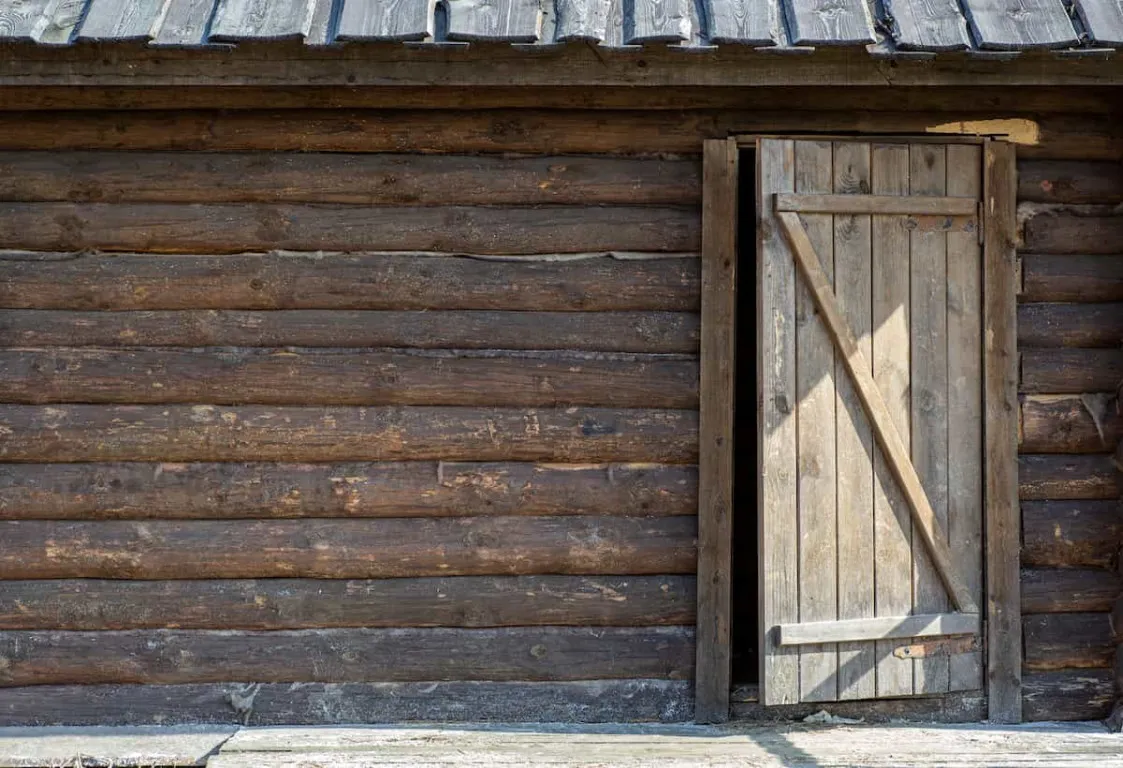
The main characteristics of wooden walls are their natural grain patterns and warm colors. In addition to their aesthetic value, this material is highly sought after for its strong structure and long-lasting durability.
Functionally, wood is a good insulator, can absorb sound, and helps maintain stable room temperature. Commonly used types of wood include teak, mahogany, ironwood, and sonokeling.
Wooden walls require extra maintenance and are relatively more expensive. If exposed to moisture, wood can expand, shrink, develop mold, or even rot. There is also a risk of termite damage.
7. GRC (Glass-Fiber Reinforced Concrete) Walls
GRC walls are made from a mixture of cement, fine sand, and glass fiber. The main characteristics of this material are its relatively light weight and its smooth, even surface, which allows it to be painted immediately.
The main advantage of GRC walls lies in their extremely high resistance to water and moisture, making them resistant to decay, mold, and swelling. Because they are made from cement and glass fiber, this material is also 100% termite-resistant.
GRC walls do have a drawback, namely the risk of cracks forming at the joints between panels. In terms of overall structural strength, GRC walls are also not as sturdy as conventional brick walls.
That concludes the comprehensive explanation of several types of wall materials commonly used in buildings in Indonesia. If you are undertaking a construction project, be sure to choose the type of wall material and cement that best suit your needs.
Use Semen Merah Putih Watershield, a super-premium quality cement suitable for a wide range of applications, from foundations, concrete slabs, castings, bricklaying, plastering, to skim coating.
Semen Merah Putih Watershield features water-repellent technology that protects walls from three sources of seepage simultaneously, including seepage from the outside, the inside, and the ground. With Semen Merah Putih Watershield, buildings become stronger and more durable.
Contact us to get recommendations for the highest-quality materials and make your dream construction project a reality!
Read also: Cost of a Boarding House Construction: Here's the Estimate!