
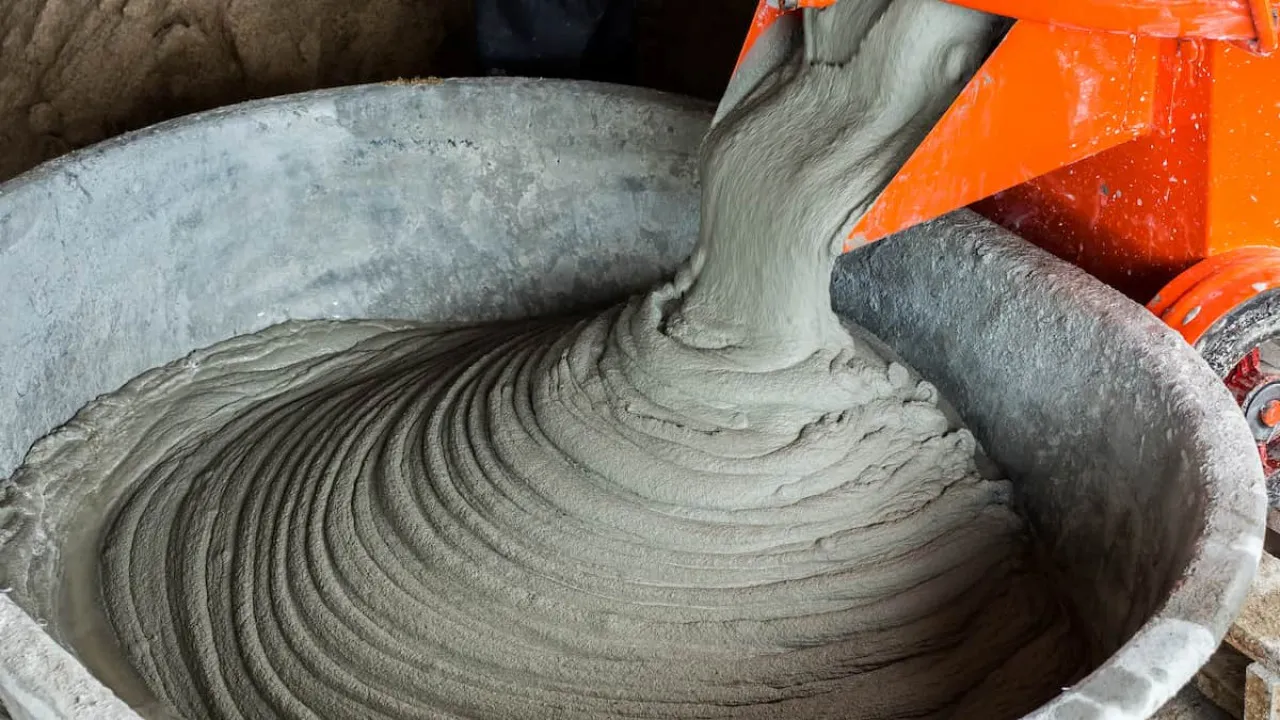
Portland cement is one of the most commonly used building materials in construction projects with modern architecture. This type of cement is known for its strength, versatility, and ability to provide stable results for various construction needs.
In practice, this cement is widely used because it is easy to mix and suitable for many types of construction. To better understand its benefits and usage, you can continue reading the discussion here.
What Is Portland Cement?
Portland cement is the most commonly used type of hydraulic cement in the construction industry. It is called “hydraulic” because it hardens and binds strongly when it reacts with water, forming a strong and durable material.
This type of hydraulic cement was first developed by Joseph Aspdin, a stonemason from Leeds, England, in 1824. He named his product “Portland” because its color and texture when hardened resembled the limestone from Portland Island in Dorset. The stone from the island was indeed famous as a building material with a distinctive appearance.
In terms of composition, Portland cement is made from a mixture of limestone, clay or silicate materials, and a small amount of gypsum. These materials are burned at a temperature of around 1,450°C to form clinker, which is then finely ground into the powder we know as cement.
Uses of Portland Cement
Portland cement has many uses in the construction industry due to its strength, stability, and ability to bond well with various materials. This cement is a key component in making concrete, mortar, plaster, and precast elements used in small projects and large-scale construction.
In general, Portland cement is used to build structures that require high strength and long-term durability. From house foundations, columns, and beams, to multi-story buildings, all utilize this type of cement as the main binding material.
Additionally, Portland cement is also often used for structural repair work, from filling cracks to reinforcing certain parts of a building. This material is also used in wall finishing, flooring, and the creation of various garden elements.
Read also: How to Properly Store Cement to Prevent Damage
The Advantages of Portland Cement
Portland cement has several advantages that make it the top choice for many construction projects. Here are some of its advantages:
1. High Compressive Strength
Portland cement can produce strong concrete that can withstand heavy loads. This compressive strength makes it suitable for foundations, beams, and columns. With this durability, building structures become more stable and safer in the long term.
2. Resistant to Various Conditions
This cement has good resistance to weather, temperature, and changing environments. The resulting structure is not easily damaged, even under extreme conditions. This resistance helps maintain the building's longevity and strength.
3. Easy to Mix and Apply
Portland cement mixes easily with water, sand, and other aggregates. Its texture allows workers to quickly process the mixture in the field. The application process is also flexible, making it suitable for a wide range of construction work.
4. Widely Available and Guaranteed Quality Standards
This cement is widely available on the market, making it easy to find in various regions. Its price is relatively affordable compared to several other types of special cement. With quality that complies with SNI 2049:2015 or ASTM C150, and at an economical price, Portland cement is a favorite choice in construction.
Types of Portland Cement
Portland cement is available in several types designed to meet different construction needs. Each type has specific characteristics and functions. The following is an explanation of each type:
1. Type I Portland Cement (Ordinary Portland Cement / OPC)
The most widely used type of Portland cement is for general construction needs. This cement is suitable for building houses, buildings, floors, and various standard structural elements. Type I Portland cement is typically used for projects that do not require special resistance to sulfates or high hydration heat.
2. Type II Portland Cement (Moderate Sulfate Resistance)
Type II Portland cement is designed to provide moderate resistance to sulfate attack. This cement is suitable for use in construction areas with higher-than-normal sulfate levels, such as swampy or coastal regions. Additionally, the hydration heat of this type is lower than that of type I, thereby reducing the risk of cracking.
3. Type III Portland Cement (High Early Strength Cement)
Portland cement type III is known to have high compressive strength in a relatively short time after the setting process. This cement is often used in multi-story buildings, highways, airport runways, and other constructions that require optimal early strength.
Read also: How to Mix Cement: Tips for Perfect Proportions!
4. Type IV Portland Cement (Low Heat of Hydration)
Type IV Portland cement is designed to produce very low heat of hydration during the hardening process. This characteristic is important for preventing cracking in large-volume castings that are prone to excessive temperature increases.
Type IV Portland cement is typically used in large projects such as dams and airfields that require temperature stability and long-term strength.
5. Portland Cement Type V (High Sulfate Resistance)
Portland Cement Type V has very high resistance to sulfates, making it suitable for use in corrosive environments. This capability makes it ideal for construction in areas exposed to seawater or soil with high sulfate content.
Portland cement type V is also often chosen for wastewater treatment installations or other projects that require maximum protection against chemical damage.
That concludes our comprehensive explanation of Portland cement, from its definition and functions to the types you need to know. By understanding the characteristics of each type of cement, you can choose the most suitable product to support the quality of your building.
If you want to ensure the best quality at every stage of construction, choosing the right cement is an important step in achieving optimal results.
For construction projects that require the highest quality, make sure you use high-performance cement with proven technology from Semen Merah Putih.
One Portland cement product from Semen Merah Putih that you can try is Semen Merah Putih Watershield. This super-premium multipurpose cement features Watershield technology that protects buildings from water seepage, moisture, and corrosion. Not only is it easy to work with, but it also makes wall surfaces smoother.
Semen Merah Putih Watershield is suitable for use in skim coating, plastering, slab casting, column casting, and brick laying. Contact us now for more information about Semen Merah Putih Watershield and find the best construction solution for your project!
Read also: 11 Types of Cement and the Functions in the Construction