
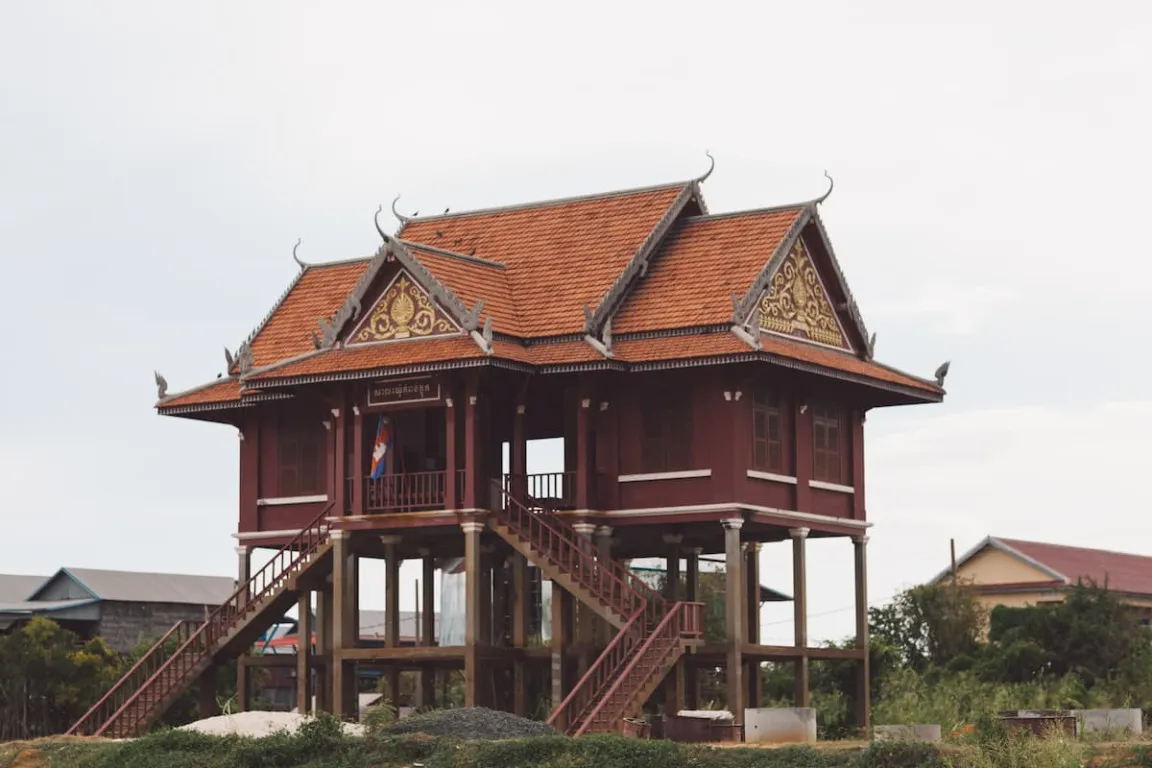
In the world of architecture, buildings are not only designed as places to live, but also as reflections of the culture, environment, and way of life of the communities that inhabit them. One architectural approach that strongly highlights these aspects is vernacular architecture.
Vernacular architecture offers unique value amid the growing trend of modern home construction, particularly because of its ability to adapt to the surrounding environment while making optimal use of local resources.
This article explores the definition of vernacular architecture, its characteristics, examples of its application in Indonesia, and tips for incorporating it into modern homes. Read on below for the full discussion.
What Is Vernacular Architecture?
Vernacular architecture is a style and building structure inspired by local communities. In general, buildings with this architectural style use locally sourced materials and construction techniques adapted to the region’s climate and culture.
In addition, vernacular architecture is considered capable of creating more comfortable living spaces, as its designs have been shaped and tested over many years by the local environment and the habits of the community.
Characteristics of Vernacular Architecture
To better understand this concept, it is important to recognize the characteristics that distinguish vernacular architecture from other architectural styles. Vernacular architecture has several distinctive features, including:
1. Using Local Materials
Vernacular buildings generally make use of materials readily available in the surrounding environment, such as wood, bamboo, stone, or clay. The use of local materials is not only more economical, but also better suited to the local climate conditions.
2. Adapted to the Climate
The building design is created to respond to weather conditions, such as incorporating natural ventilation in hot regions or sloped roofs in areas with high rainfall. This allows the building to remain comfortable without relying heavily on modern technology.
3. Influenced by Culture and Tradition
Vernacular architecture reflects the cultural values, customs, and traditions of local communities. Every design element, from the roof shape to the spatial layout, usually carries its own meaning.
4. Functional
Vernacular buildings are designed to meet the everyday needs of their occupants. There are no elements created without a clear purpose, which is why the design tends to be simple yet highly effective.
Overall, vernacular architecture emphasizes a balance between functionality, culture, and the environment, making it one of the most relevant design approaches even today.
Read Also: 6 Unique and Aesthetic Designs of Houses Without Ceilings
Examples of Vernacular Architecture in Indonesia
Indonesia is home to a rich cultural heritage that is reflected in its diverse forms of vernacular architecture. Each region has its own distinctive characteristics, shaped by the local environment and the traditions of its people.
Here are several examples of vernacular architecture in Indonesia:
- Joglo House (Central Java): Known for its distinctive roof structure and the use of wood as the primary material. Its design reflects the philosophy of Javanese life while also promoting good air circulation.
- Gadang House (West Sumatra): Recognizable by its curved roof shape resembling buffalo horns. The design also functions effectively in channeling rainwater.
- Tongkonan House (South Sulawesi): Originating from the Torajan tradition, this house features a tall, curved roof and a sturdy structure. The building also symbolizes the social status and cultural values of the local community.
- Honai House (Papua): Characterized by its circular shape and thick thatched roof. This design helps retain warmth in the cold mountainous regions.
Modern Vernacular Architecture
As times continue to evolve, the concept of vernacular architecture has also adapted into what is now known as modern vernacular architecture. This approach combines traditional values with modern technology and materials.
Modern vernacular architecture still maintains its core principles, such as climate-responsive and environmentally adaptive design, but presents them in a more contemporary style.
For example, concrete or glass materials may be combined with natural ventilation concepts or traditional roof forms.
This approach makes it possible to create homes that are not only aesthetically pleasing, but also efficient and sustainable.
Tips for Applying Modern Vernacular Architecture to Your Home
If you’re interested in applying this concept, here are several key things to consider to ensure the best results:
1. Use Suitable Materials
Choose locally sourced materials that are easy to obtain, then combine them with modern materials to improve the building’s durability.
For example, if you are using concrete-based materials or plaster, consider using high-quality brands such as Semen Merah Putih to achieve stronger and longer-lasting results.
In addition, make sure the selected materials are suitable for the surrounding environmental conditions. For instance, use moisture-resistant materials in tropical areas or regions with high rainfall so the building is less prone to damage..
2. Pay Attention to Air Circulation
Make use of natural ventilation to reduce the need for air conditioning and create a more comfortable indoor atmosphere.
You can place windows on two opposite sides of a room to create cross ventilation, allowing air to flow smoothly throughout the house.
In addition, use additional ventilation features such as air vents above doors or windows to help maintain airflow even when the space is closed. Choosing higher ceilings can also help keep indoor temperatures cooler.
Read Also: How to Create a Simple Floor Plan, Easy & Practical!
3. Adapt to the Climate
The house design should be adapted to local environmental conditions, such as wind direction, sunlight intensity, and rainfall levels. For example, you can orient the main openings toward the wind direction to optimize air circulation.
To reduce excessive heat, use overhangs or canopies on windows and terraces to prevent direct sunlight from entering the interior spaces.
Meanwhile, in areas with high rainfall, a sloped roof and a proper drainage system are essential to ensure that rainwater can flow smoothly and efficiently.
4. Preserve Cultural Elements
You can adapt traditional elements such as roof forms or ornaments so they still reflect local identity. For example, you can reinterpret the roof shape of traditional houses with a modern touch or apply regional patterns to the building’s façade.
In addition, you can also incorporate spatial layouts inspired by traditional homes, such as semi-open areas for gathering or more spacious terraces. This way, the residence still feels modern without losing its cultural identity.
Vernacular architecture shows that good building design is not only about aesthetics, but also about its harmony with the environment and the needs of its occupants. Therefore, it is important to use high-quality materials.
One option you can consider is Semen Merah Putih Watershield, which is designed to provide better protection and durability against water seepage and moisture. It is suitable for applications such as plastering, rendering, brick laying, and concrete casting for slabs.
With the right design approach combined with high-quality materials, you can create a home that is not only comfortable and aesthetically pleasing, but also durable and well-suited to its surrounding environment.
So, don’t hesitate to contact us for more information and to consult your construction project needs!
Read Also: Guide to the House Construction from Scratch to Finish