
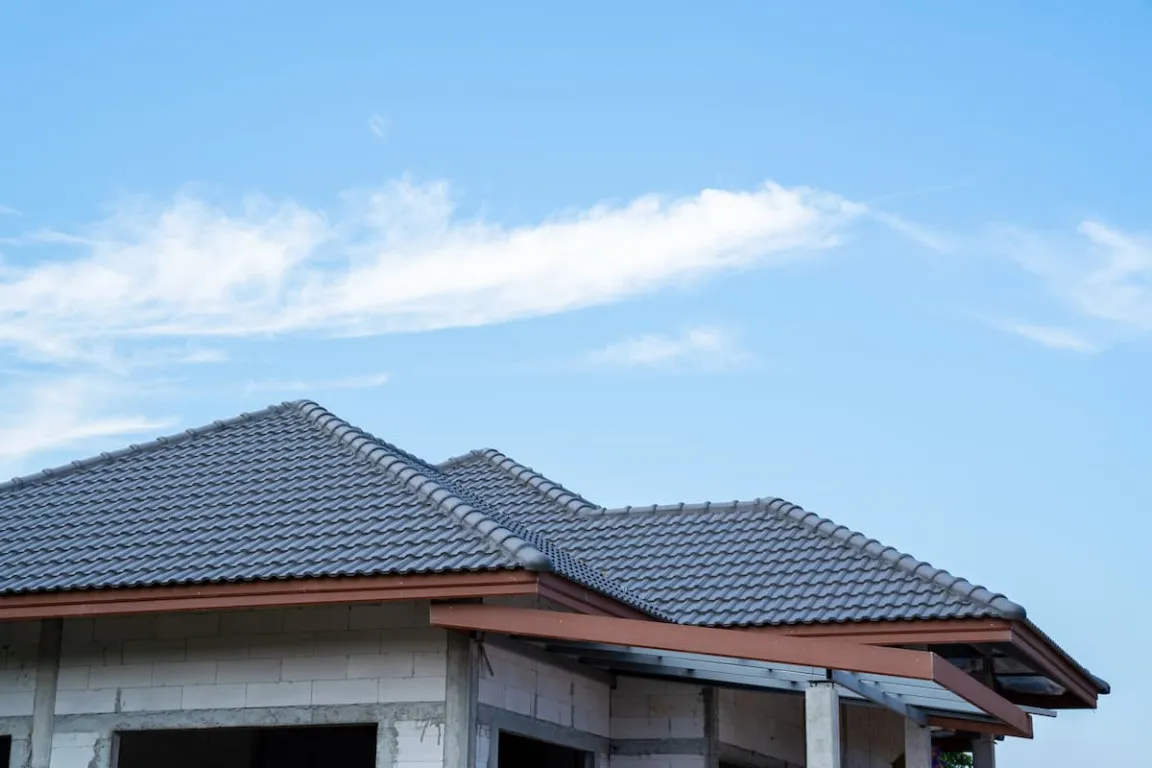
Have you ever noticed the roof of a house? Almost all roof structures have a certain slope.
The sloped design of a roof certainly has its own considerations, ranging from maintaining structural integrity, reducing pressure and minimizing water pooling during the rainy season.
In addition to the choice of roof materials, the pitch degree also significantly impacts the roof's durability. Let’s explore roof pitch standards, the factors that influence them, and their functions in the following article!
Factors Affecting Roof Pitch
Roof pitch is not only for aesthetic purposes but also serves several important functions. Some factors that influence a house’s roof pitch are:
1. Local Weather and Climate
The first factor influencing roof pitch is weather and climate. Areas with high rainfall naturally require a steeper roof pitch. This is related to the roof drainage system to prevent water from pooling.
2. Type of Roofing Material Used
Besides weather, the type of roofing material also affects a house's standard roof pitch. Each roofing material, such as tiles, concrete, asbestos, bitumen, and metal, has different weights and installation designs. Therefore, the pitch must also be carefully considered.
3. Function of the Attic Space
The roof pitch can affect both the interior design and the comfort of a room. Therefore, the calculations must be carefully considered.
4. Regulations
In Indonesia, there are no specific regulations governing a house's roof pitch, but you can adjust it according to technical standards and general construction guidelines to determine the appropriate pitch.
Read also: 4 Common Renovation Mistakes to Avoid
Roof Pitch Standards
As discussed earlier, the standard roof pitch for a house varies depending on several factors, including the roof material. The following are standard roof pitch measurements based on the type of material:
Corrugated Metal Roof
Corrugated metal is one of the most common roofing materials in Indonesia. The advantages of a metal roof include its lightweight nature and economical cost. The ideal pitch for this type of roof is 15–25 degrees.
Asphalt Roof
Next, asphalt is commonly used for roofs due to its sturdy, durable properties. Typically, the required pitch for an asphalt roof is 30–90 degrees.
Concrete Roof
A concrete roof consists of precast concrete blocks. This type of concrete roof is characteristically strong and durable. To maintain the stability of the roof tiles, concrete roofs usually have a standard slope of 30–35 degrees.
Read also: Knowing the Importance of Concrete Treatment
Ceramic Roof Tiles
Ceramic roof tiles, commonly known as genteng in Indonesian, are the most widely used roofing material for residential houses in Indonesia. Ceramic roof tiles offer several advantages, including durability, strength, and fade-resistant color. Typically, they are installed at a pitch of approximately 30 degrees.
Metal Roofs
In addition to the types of roofs mentioned above, there are also roofs made of metal. The advantages of this type of metal roof include being lightweight, rust-resistant, and modern in appearance.
This metal roof is ideal for modern minimalist houses. The pitch of metal roofs is usually between 25 and 35 degrees.
Flat Roof
For those who want a rooftop, a flat roof is one option to consider. Flat roofs are made of a concrete mix, which offers very high strength. Typically, concrete roofs are used to create building levels.
Flat roofs usually have a slope of 0 degrees or no slope at all. This is because the flat roof must be constructed with a good drainage system.
Glass Roof
Next, glass roofs are a unique type of roof commonly used in modern buildings. They have a distinct aesthetic that offers a direct view of the sky from inside the house.
Glass roofs are typically used as canopies or skylights to provide natural lighting in houses. The standard slope for glass roofs is 2–10 degrees.
Spandek Roof
Another commonly used roofing material is spandek. Spandek is a composite material made from a mixture of zinc and aluminum. In addition to its attractive appearance, spandek roofing is lightweight and durable.
Spandek roofing can be used for both flat and steep roofs. The standard slope for spandek roofs ranges from 5 to 60 degrees.
Read also: 5 Building Material Types for House Floors
How Roof Pitch Functions
The pitch design of a house’s roof is certainly not without reason, as it serves several important functions, including:
1. Drainage
The pitch of a roof significantly affects the speed at which water flows off the roof surface during rain. The steeper the roof, the less likely water is to pool.
Conversely, a gentler slope is more likely to cause water pooling, leading to seepage, leaks, or structural damage.
2. Load-Bearing Capacity
Furthermore, the slope of a house’s roof can also affect its load-bearing capacity. The flatter the roof is, the longer materials such as dust, rainwater, snow, or dry leaves will remain on it, thereby affecting the roof’s structural integrity.
3. Air Circulation
Roof designs with steep pitches generally make the room’s ceiling appear more spacious. This allows heat trapped in the roof structure to escape, thereby reducing heat buildup inside the room.
4. Cost Efficiency
Steeper roofs require more materials and entail higher construction costs. Conversely, the cost of building a flat roof is lower, though additional waterproofing systems are still required. Therefore, it is important to balance functionality, aesthetics, and construction costs.
This concludes the comprehensive explanation of roof pitch standards, the factors influencing them, and their functions. The roof is one of the most critical components of a house, protecting the structure from various weather conditions. Therefore, its design and construction materials must be carefully considered.
Besides a sturdy roof, waterproof walls are needed to keep the house comfortable and safe during the rainy season. For that, no need to worry. Semen Merah Putih Watershield is a great option.
The Watershield technology in Semen Merah Putih Watershield provides triple protection against water seepage, whether from the outside, inside, or from the ground or capillary water, making it ideal for applications on concrete slabs, foundations, castings, and even the plastering of your house.
So, what are you waiting for? Contact us for more information about Semen Merah Putih products and to consult with us regarding your construction needs.
Read also: Building an Elegant House Using Natural Building Material