
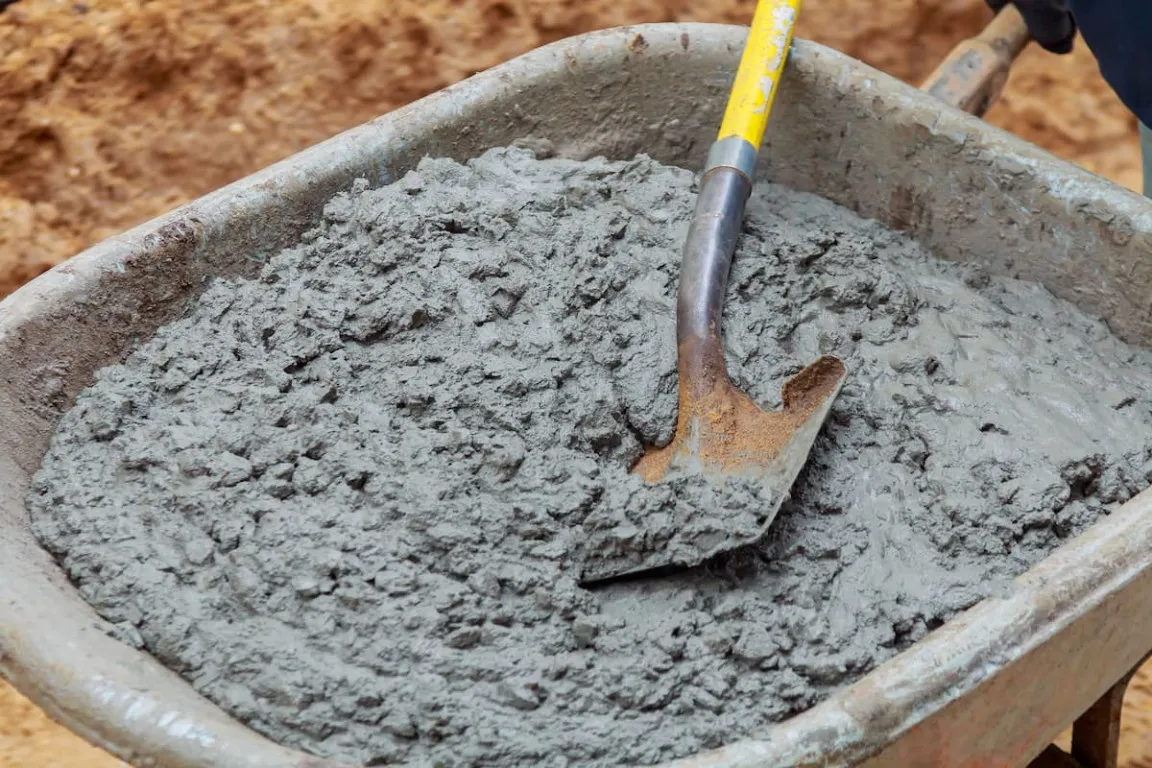
In the construction industry, cement is a primary material that plays a crucial role in determining a building’s strength and durability. Whether used for main structural elements, wall plastering, or tile installation, an ideal cement mortar mixture produces a sturdy, neat, long-lasting finish.
Conversely, if the composition and consistency of the cement mix are incorrect, various problems can arise. For example, this can lead to hairline cracks in walls, lifted tiles, and even a decline in structural quality.
One of the main factors that reduces cement mix quality is how water is measured. However, water is not the only factor. To find out what these factors are and how to check them, read this article!
Factors Affecting Cement Mortar Quality
At first glance, making cement mortar seems simple. In reality, you must mix it correctly to maintain the mortar’s quality. Mortar that looks “ready to use” does not necessarily have the correct composition.
Here are three factors that affect cement mortar quality.
1. Incorrect Cement and Sand Ratio
Each part of a building has different loads, functions, and weather exposure, so it requires a different cement-to-sand mix. If the cement content is too low, the mixture becomes brittle and has weak adhesion.
Conversely, using too much cement can cause the mixture to crack more easily as it dries.
For example, here are the different ratios (cement:sand) based on the building application.
- Red Brick Masonry. Ratio 1:5, including standard composition.
- Interior Wall Plastering. Ratio 1:6. This application does not require high weather resistance, so the sand content can be higher without compromising its primary function.
- Exterior Wall Plastering. Ratio 1:4, the standard mixture.
- Ceramic Tile Flooring. Ratio 1:3. The mixture has a dense, water-resistant texture.
2. Incorrect Methods for Mixing Cement and Sand
Do not add water before thoroughly mixing the cement and sand. If you add water immediately while the cement and sand are still separate, the cement will not mix evenly with the sand, resulting in suboptimal mortar quality.
Consequently, after drying, the mortar surface may appear uneven, rough, and more prone to hairline cracks.
Making high-quality cement mortar begins with sifting the sand to remove gravel and other impurities. Finer sand produces a mortar that is easier to apply and adheres well. After sifting, mix the sand and cement until the mixture is completely homogeneous and free of lumps.
Once the dry mix is ready, create a well in the center to gradually pour in the water. Make sure the amount of water added is appropriate for the needs. When the cement mixture is ready, apply it immediately and avoid letting it sit for too long.
Adding water after the mortar has begun to set can reduce its quality. Therefore, use cement mortar within 30–60 minutes after mixing with water.
So, how long does cement mortar take to dry? Cement mortar generally begins to set within the first 6–7 hours, while the optimal setting and drying process takes about 7–28 days, depending on environmental conditions and the type of work.
Read also: Get the Tips and Inspiration for An Old House Renovation!
3. Soil-Contaminated Sand
Using soil-contaminated sand negatively affects the quality of cement mortar. Soil has water-retaining properties, which interfere with water absorption into the cement and sand. As a result, the cement’s bonding strength decreases because the cement fails to bind the sand properly.
When the adhesive strength of the cement mortar is compromised, the mixture becomes brittle, crumbles easily when touched, and causes the plaster layer to peel off easily. Soil in the mixture will also trigger excessive shrinkage as the mortar dries, potentially leading to hairline cracks and reducing the building's structural strength.
How to Test the Quality of Cement Mix
After understanding the factors that can reduce mix quality, you can use several methods to ensure the mix is good quality and ready for application. One of the easiest ways to check the quality of the mix is through a visual inspection
A visual inspection assesses the quality of the cement mix without tools and can be done with the naked eye. Here are the key indicators to observe.
- Color Homogeneity. Check your mix to ensure it is an even gray color with no visible lighter areas (still dry). If you still see lighter or darker patches, it means the mix hasn’t been thoroughly blended.
- Check for Bleeding. If you see water seeping up and pooling on top of the mix, it means you have added too much water and the mix ratio is off.
- Check for Segregation. Ensure the sand is evenly mixed and has not separated from the cement. If you notice material separation, the water content is likely too high, or the mix has sat for too long.
Read also: Green Open Spaces: Definitions, Benefits, and Impacts
That concludes the information on factors that can reduce cement mix quality. By understanding these factors, you can produce a stronger, higher-quality cement mix for various construction needs.
To meet these needs, use Semen Merah Putih Watershield, a high-quality, multipurpose cement that offers many advantages over other brands.
Semen Merah Putih Watershield features water-repellent technology and triple protection that shields buildings from three sources of seepage simultaneously: from the outside, the inside, and the ground. This protection helps keep buildings sturdy, durable, and low-maintenance.
Semen Merah Putih Watershield can be used in a wide range of construction applications, including foundations, concrete slabs, concrete pouring, bricklaying, plastering, and skim coating. Contact us for a consultation and receive recommendations on high-quality materials and the best service.
Read also: 7 Types of Wall Materials: Understand Their Pros and Cons!