
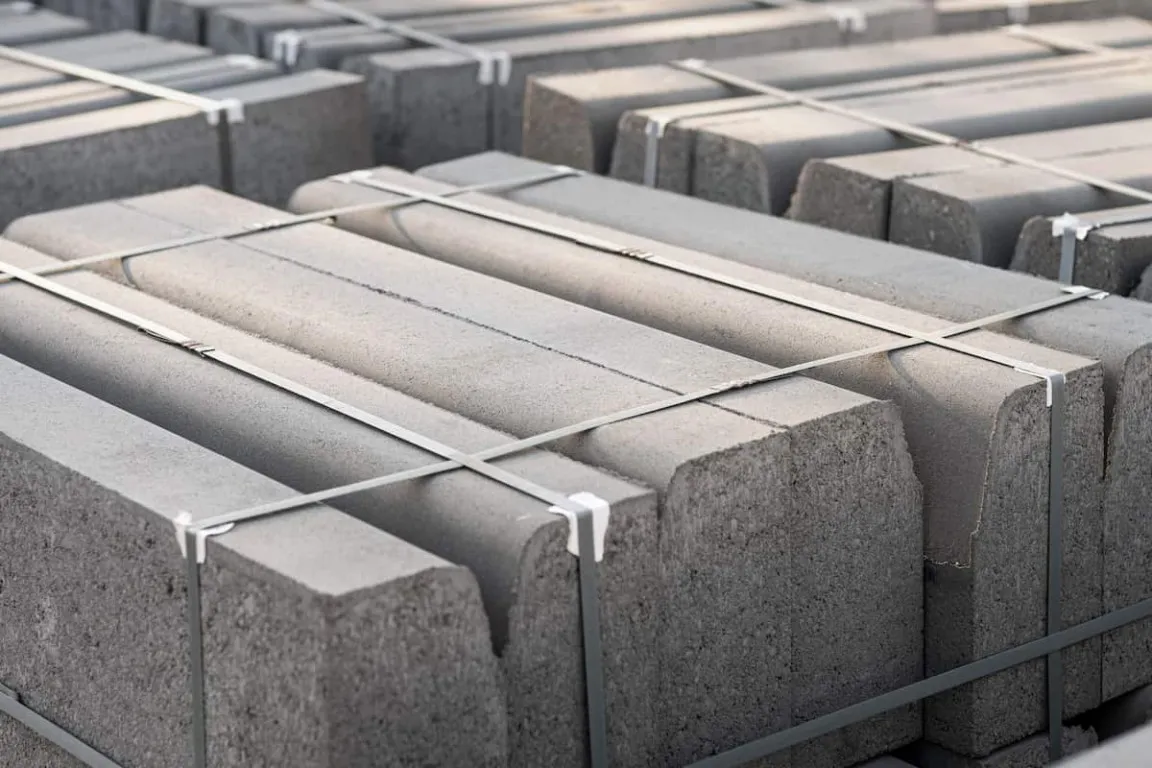
Concrete decking is a small component that maintains the distance between the rebar and the formwork so the concrete cover thickness matches the design specifications. Although it is small, improper installation of concrete decking can affect the quality of the building’s structure, including increasing the risk of concrete damage and rebar corrosion.
In construction, proper installation of concrete decking is essential to avoid problems such as porous concrete and other structural damage. So, what are the common mistakes, and how can you avoid them? Check out the explanation below!
Common Mistakes in Concrete Decking Installation
Concrete decking must be installed correctly to ensure the rebar remains in its intended position. Here are some mistakes you need to avoid:
1. Using the Wrong Size of Concrete Decking
Each structural element, such as beams, columns, and floor slabs, has different requirements for concrete cover thickness. Using concrete decking that is too small or too large can cause the distance between the rebar and the formwork to deviate from the structural design.
2. Installing Too Little Concrete Decking
Using too little concrete decking means the rebar does not receive sufficient support. As a result, the rebar is at risk of bending or shifting position when it receives the weight of workers or pressure during pouring.
3. Setting the Spacing Between Concrete Decking Panels Too Wide
The next mistake is leaving too much space between the panels. This can leave some sections of the rebar without sufficient support, making their position unstable, especially in large floor slab areas.
4. Installing Concrete Decking on an Uneven Surface
A dirty or uneven formwork surface can cause the concrete decking to sit at an angle and become unstable. If left unchecked, the supports may shift, resulting in uneven concrete cover thickness in certain areas.
5. Allowing Concrete Decking to Shift During Pouring
Worker activity, rebar movement, and the concrete mix flow can displace the concrete decking from its initial position. If the installation is not secure enough, the supports may no longer maintain the planned rebar spacing.
Read also: Estimated Concrete Casting Cost Per Meter: Detailed and Accurate!
Impacts of Concrete Decking Installation Mistakes
Errors in concrete decking installation not only affect the pouring process but can also cause long-term structural problems for the house. Here are some of the impacts:
1. Insufficient Concrete Cover Thickness
The concrete cover is a layer that protects the rebar from external environmental influences. If the concrete decking is not installed correctly, the layer thickness may become too thin or uneven, failing to provide the protection required by the design.
2. Steel Reinforcement Is Prone to Corrosion
When the concrete cover is too thin, the reinforcement becomes more vulnerable to water and other substances that can cause corrosion. Over time, rust on the reinforcement can develop and damage the surrounding concrete.
3. Cracks and Surface Damage to Concrete
Reinforcement corrosion can generate internal pressure within the concrete, leading to cracks and even spalling of the surface layer. These conditions can reduce reinforcement protection and cause further damage if not addressed promptly.
4. Potential Reduction in Structural Strength
Displacement of the reinforcement from its intended position can affect the structural element’s ability to withstand loads. The impact depends on the extent of the positional shift, the type of structural element, and the building’s load conditions.
5. Increased Building Repair Costs
Damage resulting from installation mistakes may require specialized inspections and repairs. Under certain conditions, this work costs more and takes longer to complete than installing it correctly from the start.
How to Avoid Concrete Decking Installation Mistakes
To maintain the quality of a house's structure, inspect concrete decking installation before pouring begins. Here are some steps you can take:
1. Select the Size Based on Structural Requirements
Use concrete decking with a size that matches the concrete blanket thickness shown in the design drawings. Ensure that your selection considers the type of structural element, environmental conditions, and applicable technical requirements.
2. Determine the Quantity and Spacing
Install enough concrete decking, spaced appropriately to support the reinforcing bars. Avoid placing them too far apart so that the rebar does not bend or shift easily during construction.
3. Ensure the Formwork Surface Is Level and Clean
Before installing concrete decking, check formwork conditions and remove any debris. A level surface helps keep supports stable and maintains accurate rebar spacing.
4. Check Decking Concrete Stability
Ensure each piece of decking concrete has sufficient strength and is securely installed. Avoid stepping on or carelessly shifting the rebar assemblies, as this can change the supports’ positions before pouring.
5. Conduct a Pre-Pour Inspection
Double-check the number, spacing, and position of the concrete decking panels, as well as the concrete cover thickness. Supervision during the pour is also necessary to ensure the rebar remains in its planned position.
Read also: 3 Ways to Calculate Concrete Casting Per M3, Take Note!
Tips for Reducing the Risk of Concrete Decking Panel Shift During the Pour
In some cases, concrete decking panels may shift during the pouring process. To prevent this, here are some steps to take:
- Ensure the base surface is level and stable before installation.
- Measure the installation spacing as needed. Make sure the spacing is not too wide.
- Ensure the concrete decking can stably support the rebar.
- Avoid any shifting of the rebar, whether intentional or unintentional, when preparing for the pour.
Support Structural Strength with Beton Merah Putih
In addition to ensuring that the concrete decking is installed correctly, selecting high-quality concrete materials also plays a crucial role in home construction. Materials that meet specifications, combined with proper pouring and curing, support structural strength and durability.
To meet these needs, you can choose Beton Merah Putih from Semen Merah Putih. Beton Merah Putih offers a variety of construction solutions, including ready-mix Concrete, precast concrete, and aggregates for various construction needs.
One of Semen Merah Putih’s top products is Ready-Mix Concrete, a ready-to-use concrete produced with material compositions tailored to project specifications. This product is available in a variety of grades to meet the construction needs of residential homes, high-rise buildings, commercial structures, and infrastructure projects.
By selecting the right materials and installing concrete decking according to the plans, you can better maintain the quality of the construction work. To ensure a strong, durable structure, make sure every stage of construction is supported by high-quality materials that meet the building's structural requirements.
So, don't hesitate to contact us now for product information and construction solutions tailored to your project’s needs!
Read also: Concrete Construction Maintenance to Preserve Structural Quality