
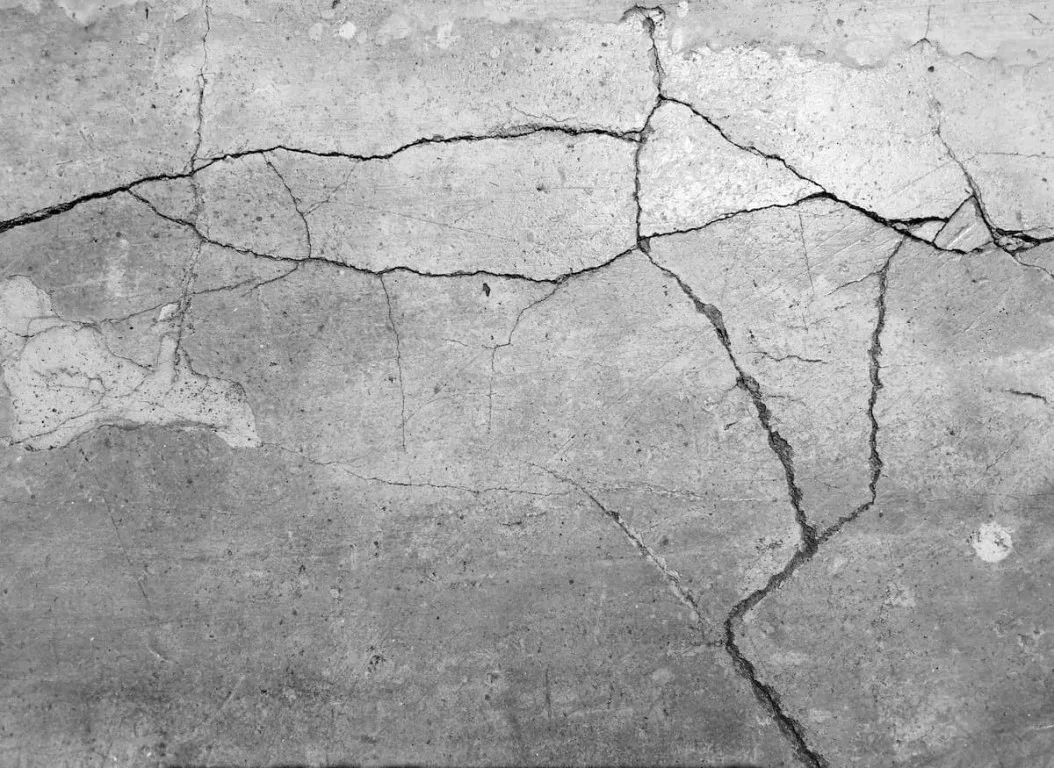
You may have seen concrete columns or beams with holes, cavities, or even exposed gravel. This condition is often considered merely a visual problem. In fact, porous concrete usually indicates that the casting process did not go properly.
The problem is, this damage is often only noticed after the formwork is removed. By then, the work is already complete, the structure is already standing, and demolition is certainly a difficult option. This often leads building owners to wonder whether the condition is still safe, requires repair, or needs demolition and rebuilding.
To avoid making the wrong decision when dealing with porous concrete, read this article for an explanation of the causes and how to fix them!
Causes of Porous Concrete
One cause of porous concrete is errors in the casting process, both in the material mix and in workmanship. Here are some of the most common causes of porous concrete:
1. Insufficient Compaction
When concrete is poured into formwork, the mixture still contains air. This air must be removed using a vibrator. If the vibration process is too short or uneven, air pockets will remain, and after the concrete hardens, small holes will appear. This is known as honeycombing or porous concrete.
2. Too Dry Mixture
The water-to-cement ratio determines the density of concrete. If there is too little water, the mixture becomes stiff, making it difficult to flow and fill the gaps between the reinforcement bars. As a result, the concrete is not dense, and voids appear.
3. Formwork Leaks
Formwork that is not tight allows the cement slurry to leak out during casting, leaving mainly coarse aggregates such as gravel behind. This is why the concrete looks “all gravel” after the formwork is removed.
Read Also : 3 Benefits of Using Precast Concrete: Durable & Time-Saving
4. Concrete Fall Height Too High
Pouring concrete from a height without tools causes the material to separate. Cement and sand fall later, while gravel falls first. This process is called segregation and results in concrete that is not compact.
5. Reinforcement Too Dense
In columns or beams with dense reinforcement, the concrete mixture has difficulty entering the gaps between the reinforcing bars. Without proper casting techniques, the structure's interior is not fully filled. This condition ultimately causes the concrete to become porous.
6. Use of Aggregates that Are Too Large
Gravel that is too large compared to the distance between the reinforcement bars causes the mixture to get stuck. The concrete ultimately cannot fill the empty space, resulting in voids. As a result, the concrete surface often appears pitted, and its density is uneven in a certain area.
7. No Concrete Curing
After casting, concrete needs to be kept moist. If it is left to dry immediately, the cement hydration process will be incomplete, causing the concrete to become brittle and prone to cracking. This condition also prevents the concrete from reaching its planned maximum strength, especially during the first few weeks of curing.
Read also: Concrete in Construction: Learn the Functions and Types!
Characteristics of Porous Concrete
Porous concrete can usually be identified with the naked eye. However, many people are unaware that this sign can indicate a serious problem. Therefore, pay attention to the following characteristics so that you can identify and address porous concrete early:
1. Concrete Surface with Holes
Small holes or cavities are clearly visible on concrete columns, beams, or walls. If there are many holes and they are spread out, this usually indicates that air is trapped due to insufficient compaction. In certain areas, the holes may also feel deeper when you touch them.
2. Coarse Aggregate Is Dominant
If you see more gravel than cement on the concrete surface, it indicates that the mixture is not homogeneous. This condition often occurs due to segregation, for example, due to concrete falling from a height or uncontrolled flow.
3. Concrete Crumbles Easily When Tapped
When touched or tapped, the concrete crumbles like compacted sand. This condition indicates that the bond between the materials in the concrete is weak, preventing the concrete from reaching its optimal density.
4. Hairline Cracks Appear
Small cracks usually appear on concrete that is not dense or poorly maintained. These cracks look like thin lines on the surface and often appear several days to weeks after casting. Although they look small, hairline cracks can become entry points for water, which accelerates concrete damage in the long term.
5. Uneven Concrete Color
If certain areas appear darker or lighter, this indicates uneven cement distribution. Color differences can also occur because some areas dry faster or are exposed to direct sunlight during the curing process.
Read Also : 12+ Essential Roofing Materials: Functional and Popular Choices for Your Home
The Dangers of Porous Concrete
Many people consider porous concrete to be merely an aesthetic problem. In fact, it can have serious implications for building safety. Here are the dangers of porous concrete if left untreated for too long:
1. Decreased Structural Strength
Voids within the concrete reduce the effective cross-sectional area. This means that its load-bearing capacity is also reduced. Under the same load, the concrete will work harder because not all parts are completely solid. In the long term, this condition can cause faster deformation or damage to structural elements.
2. Reinforcement Prone to Rust
Water and air can enter through the voids in the concrete, causing the steel reinforcement to corrode quickly, expand, and then damage the surrounding concrete. When steel rusts, its volume expands, pushing the concrete until it cracks and spalls (chips off).
3. Risk of Large Cracks
When subjected to loads, stress concentrates at certain points, causing cracks. Small cracks can develop into large cracks because the porous area cannot properly distribute the applied force. In addition to compromising safety, cracks allow water to seep in, worsening the damage.
4. Shorter Building Life
Dense concrete can last for decades, while porous concrete can deteriorate much faster. This is because hollow concrete is more susceptible to weather, moisture, and temperature changes. As a result, maintenance and repair costs are usually higher and more frequent.
5. Potential for Local Collapse
In main columns or beams, severe porosity can cause parts of the structure to break. This local damage can reduce the structure's ability to withstand loads, especially under vibration or additional loading.
Read also: High-Strength Concrete: Advantages, Manufacturing, & Uses
Methods for Repairing Porous Concrete
If porous concrete has already occurred, there is no need to panic. Here are some repair methods that can be used depending on the extent of damage and the location of the problem concrete:
1. Patch Repair
For minor surface damage, you can repair it with a patch. First, clean the spalled area until you reach solid concrete. Then patch it with a specialized concrete repair mortar.
The surface to be patched should be made slightly rough so that the mortar adheres more strongly. After patching, the repaired area also needs to be kept moist so that the results do not crack easily.
2. Grouting
For deeper cavities, you need to use a liquid cement-based grout. This material will fill gaps and restore the concrete's density. Grouting is usually effective for cavities that are not too wide but are long and deep enough.
3. Injection
If there are fine cracks, you can inject epoxy or a special cement into them to fill the voids. This method helps restore the continuity of the concrete, especially in cracks that could serve as entry points for water.
4. Concrete Jacketing
In cases of severe damage, the structure needs to be re-encased with a new layer of concrete, complete with additional reinforcement to increase strength. This method is often chosen for columns or beams that have extensive spalling or reduced structural capacity.
Because jacketing changes the element's dimensions, the thickness and reinforcement details must be calculated precisely to ensure the result truly strengthens the structure, rather than merely covering the damage.
5. Anti-Corrosion Coating
If the reinforcement is visible, you need to apply anti-corrosion protection before recapping. The iron must be cleaned of rust, dust, and dirt so that the protective coating adheres perfectly. After that, recapping with mortar/grout is carried out so that the reinforcement is again properly protected from water and air.
Read Also : How To Apply Natural Stones on Cement Wall
Determining the Severity Level of Honeycombed Concrete
Not all concrete honeycombing can be repaired using the same method. Accurately assessing the extent of damage is critical to preventing structural failure and avoiding unnecessary repair costs. Evaluate the condition of the concrete using these three severity categories:
1. Light Damage (Surface Honeycombing)
-
Depth: Less than 2.5 cm deep without exposing the rebar.
-
Characteristics: The concrete surface appears porous or pitted, but tapping it with a steel hammer produces a clear, solid ringing sound.
-
Technical Solution: Chisel away loose particles down to sound concrete, clear away dust, apply a concrete bonding agent, and patch the area with non-shrink repair mortar.
2. Moderate Damage (Medium Honeycombing)
-
Depth: Between 2.5 cm and 5 cm deep, or partially exposing the reinforcing steel.
-
Characteristics: The void is noticeable and rebar is exposed to air, but the steel shows no severe corrosion or cross-sectional loss.
-
Technical Solution: Square off the repair boundaries, clean rust off the rebar using a wire brush, coat the steel with a zinc-rich anti-corrosion primer, and pour high-flow non-shrink grout behind a tight formwork.
3. Severe Damage (Structural Honeycombing)
-
Depth: Greater than 5 cm deep, extending through the structural element, or located at critical beam-column joints.
-
Characteristics: Voids extend deep into the core, hammer taps sound distinctly hollow, and rebar has lost rebar-to-concrete bond or suffered structural deformation.
-
Technical Solution: Requires professional structural engineering evaluation. Repairs must utilize pressure grouting (high-pressure cementitious injection) or structural concrete jacketing to fully restore load-bearing capacity.
That concludes our discussion on porous concrete, from its causes and characteristics to repair methods. To prevent this problem from recurring, the best solution is to ensure the use of high-quality concrete from the outset. By choosing the right materials and using the correct casting process, you can achieve stronger, neater, and more durable buildings.
To support optimal construction quality, you can use high-quality concrete products from Semen Merah Putih, such as Ready Mix Concrete and Precast Concrete. Both products are designed with consistent quality standards to help you achieve denser, stronger, and more durable building results.
If you want more information about concrete products that suit your construction needs, don't hesitate to contact us now!
Read also: Concrete Hardener Ratio: How to Calculate and Apply It