
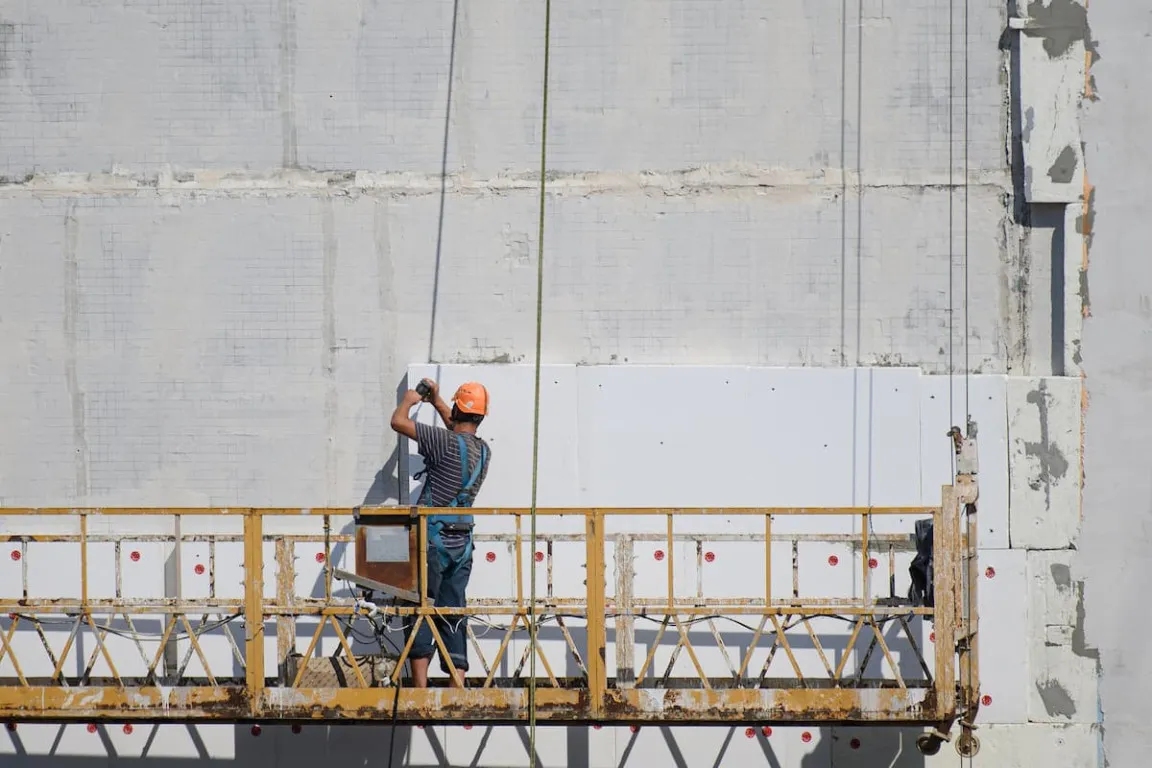
Concrete construction maintenance is an important step in keeping concrete in good condition so it can last a long time. Without proper care, concrete is more likely to crack, get damaged, or lose its strength.
Read this article to learn why concrete construction maintenance matters and the techniques you can use to keep concrete structures strong, durable, and long-lasting.
The Importance of Concrete Construction Maintenance
Maintaining concrete construction isn't just about keeping it looking good; it is also about preserving its quality and structural strength. Here are a few reasons why concrete construction maintenance is necessary:
1. Preventing Concrete Cracks
If concrete is not properly maintained, the risk of cracking increases. This can happen because the concrete loses too much water and moisture during the curing process. As a result, the concrete shrinks and its surface is more prone to cracking.
2. Keeping Concrete from Losing Water
Right after pouring, some water in the concrete evaporates, especially during the early hardening stage (setting time). That's why it is important to monitor the concrete's condition to keep it moist. With enough water, the hardening process can go smoothly, minimizing the risk of cracks and loss of concrete strength.
Read also: Tips to Make Durable Cement Walls That Do Not Crack Easily
3. Maintaining the Strength and Integrity of the Structure
Proper concrete maintenance can help keep a building's structure strong. Well-maintained concrete stays solid, so it can support loads effectively and help the building function longer.
4. Extending the Lifespan of Concrete
Proper care can extend concrete's lifespan. When kept in good condition, concrete resists damage, so its strength and structural quality last longer during use.
Concrete Curing Techniques
According to the Indonesian National Standard (SNI), concrete curing involves keeping the concrete moist and protected after pouring. The goal is to ensure proper cement hydration so the concrete reaches its planned strength and reduces the risk of shrinkage-related cracks.
You can cure concrete in several ways, such as wetting the surface, covering it, or using a special coating material (curing compound). Here are some concrete curing methods you should know.
1. Concrete Curing After Pouring
Concrete curing should ideally start immediately after pouring. This stage matters because the concrete is still hardening and needs proper care to develop strength and quality optimally.
a. Concrete Curing
Curing is the process of keeping concrete moist after pouring so hydration and hardening proceed properly. This can be done by regularly sprinkling water on the concrete surface, covering it with materials that reduce evaporation, or applying a special protective layer.
With proper curing, concrete can reach its planned strength and the risk of cracking can be minimized.
b. Ensuring Concrete Is Not Overloaded
In the early stages after pouring, concrete is still hardening and has not reached its maximum strength. So, avoid placing too much weight or excessive vibration on the concrete to prevent cracks or structural damage.
2. Regular Inspection and Maintenance of Concrete
Regular checks are necessary to maintain the concrete's condition. Routine maintenance helps detect damage early and preserve concrete quality.
a. Visual Inspection
Visual inspection helps assess the concrete's condition and detect damage early. The inspection can involve looking for cracks, damaged surfaces, or signs of wear. Check regularly, especially for buildings in environments that can damage the concrete.
b. Cleaning Concrete Surfaces
Dust, dirt, and chemicals that stick to concrete surfaces can affect its protective layer. That’s why concrete surfaces need regular cleaning with water and a brush to keep them in good shape and prevent damage.
c. Applying a Protective Coating
Using a sealant or protective layer on concrete surfaces can help keep water and chemicals out, which could damage the concrete. This protection can reduce the risk of corrosion on steel reinforcement inside the concrete, keeping the structure stronger.
Read also: 5 Causes and Ways to Overcome Damp Walls, Worth a Try!
3. Repairing Damage to Concrete
If concrete is damaged, address it quickly so the condition doesn't worsen. Here are some steps you can take to fix concrete damage.
a. Handling Cracks
Check cracks in concrete and, if needed, fix them right away so they don’t get bigger.
Small to medium cracks can be handled with special adhesive materials, while larger cracks can be repaired using a grout mixture to fill the gaps and improve the concrete’s structural condition.
b. Replacing Damaged Parts
For more severe concrete damage, such as peeling or eroded surfaces, the damaged part must be repaired or replaced based on the level of damage. This process involves removing the damaged area and replacing it with new concrete according to applicable standards.
4. Efforts to Prevent Concrete Damage
In addition to repairs, preventive measures are important to keep concrete strong and durable. Several efforts can protect concrete from environmental factors that could cause damage.
a. Weather Protection
Concrete in areas with extreme weather needs extra protection to stay strong and last long. One way to do this is to apply a protective layer, such as a waterproofing coating, to reduce the risk of damage from rain, heat, or other weather changes.
b. Environmental Control
Controlling the environment around the concrete also helps maintain its durability. This can be done by preventing water pooling and reducing exposure to chemicals that can damage the concrete structure.
5. Concrete Care for Specific Conditions
Concrete in certain environments requires special care because it faces different damage risks. Conditions like exposure to seawater or chemicals in industrial areas can affect concrete durability, so appropriate maintenance steps are needed.
a. Concrete in Marine Areas
Concrete used in marine environments is at a higher risk of damage because it is frequently exposed to saltwater. The salt content can accelerate corrosion of the steel reinforcement within the concrete.
To maintain durability, concrete should use a mixture suitable for marine environments and receive a special protective coating so seawater does not easily penetrate the structure.
b. Concrete in Industrial Areas
Concrete in industrial areas is often exposed to chemicals that can reduce its quality and strength. Therefore, it requires chemical-resistant concrete and regular maintenance, such as cleaning the surface and renewing protective coatings, to keep it durable.
That concludes the information on why concrete construction maintenance matters and the various ways to care for it. Regular, as-needed maintenance helps concrete stay strong, durable, and functional for longer.
Besides maintenance, using the right concrete materials also plays an important role in maintaining construction quality. Beton Merah Putih offers various concrete solutions to support construction needs, from ready-mix and precast concrete to aggregates for different project types.
Precast concrete from Beton Merah Putih is a versatile option for various construction needs because it is produced through a controlled process and comes in a variety of choices to suit project requirements. This product can be used in industrial, commercial, and infrastructure projects, such as buildings, housing, roads, and other construction projects.
To get concrete solutions that fit your project needs, contact us now. The Beton Merah Putih team is ready to support you with high-quality construction products and services.