
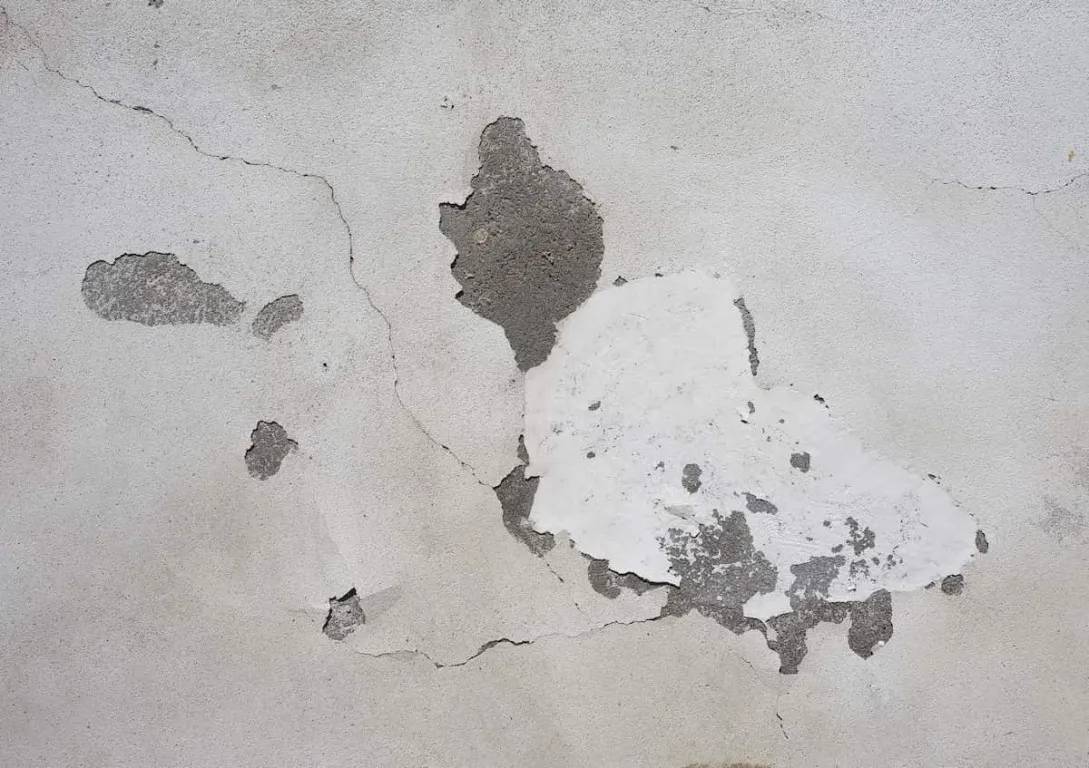
Bubbles on a wall surface can detract from your home's appearance and indicate a problem with the wall’s coating. This condition is called blistering and often comes with wall efflorescence.
So, what causes blistering on walls, and how can you fix it? Read the following explanation to make the right repairs!
What Is Blistering on Walls?
Blistering on walls happens when the paint layer forms bubbles because it loses adhesion to the wall surface. These bubbles can be small or large and may even burst, causing the paint to peel.
This problem usually occurs because of trapped moisture, poor surface conditions, or mistakes during painting. Blistering can appear on both interior and exterior walls.
If not fixed immediately, blistering can spread and make the wall surface increasingly uneven. Therefore, identify the cause before making repairs.
Causes of Blistering on Walls
Blistering is not always caused by poor paint quality. Several factors can trigger the formation of blisters on wall surfaces, including:
1. Moisture and Water Seepage
Water seeping through walls can compromise the paint’s adhesion. Seepage can result from rainwater entering through exterior walls, pipe leaks, or groundwater rising through the pores of building materials.
When moisture becomes trapped beneath a paint layer, the resulting pressure can cause the paint to lift and bubble. Therefore, check for moisture sources before repainting.
2. Painting on Surfaces That Are Not Yet Dry
Painting before plaster or putty is completely dry can trap moisture beneath the paint layer.
As moisture moves toward the surface, the paint layer risks losing its adhesion and forming bubbles. Therefore, ensure the wall meets the painting requirements before you start.
3. Poor Quality Plaster or Skim Coat
A brittle, dusty, or uneven layer of plaster or skim coat can reduce the paint’s ability to adhere properly.
Unsuitable materials or incorrect application techniques can also affect the quality of the wall surface. Therefore, selecting high-quality cement and following proper application procedures are essential.
4. Inadequate Surface Preparation
Wall surfaces that are still dusty, dirty, damp, or contain flaking paint residue make it difficult for new paint to adhere properly. These conditions increase the risk of blistering after painting.
Before painting, make sure the surface is clean, dry, and sturdy enough. If necessary, use a primer suitable for the wall’s condition and the topcoat type.
5. The Effects of Temperature and Sun Exposure
Painting when the wall surface is too hot can cause the paint to dry too quickly. This can interfere with the formation of an even paint film.
Heat can also worsen blistering if moisture is trapped beneath the paint.
Read also: Various Cement Wall Finishing Techniques for A Modern Look
What Are the Consequences of Blistering Wall Paint?
If left untreated, blistering can cause various problems with the appearance and condition of the wall surface. Here are some of the effects you should be aware of:
1. The Wall Looks Less Neat
Bubbles make the wall surface appear uneven and detract from the room’s aesthetic appeal. This problem becomes even more noticeable over a large area or in areas exposed to direct light.
2. Paint Peels Easily
Burst blisters can cause the paint layer to lift and peel off. As a result, the surface underneath is exposed, requiring repainting to restore its appearance.
3. Increased Risk of Wall Damage
If water seepage causes blistering, the damage can continue as long as the moisture source remains unresolved.
Prolonged damp conditions can also trigger mold growth and damage the finishing coat. Therefore, the solution should not focus solely on repainting.
Read also: Ceramic Tile Grout: Functions and How to Apply It Correctly
How to Fix Blistering on Walls
Do repairs in stages to ensure longer-lasting results and prevent the problem from recurring. Here are the steps you can take:
1. Identify and Address the Source of Moisture
Check for pipe leaks, cracks in exterior walls, damaged gutters, or ground seepage. Fix these moisture sources first to prevent blisters from reappearing after painting.
If the wall is still damp, don't cover it with new paint right away. Make sure you've addressed the cause and the surface is dry.
2. Remove the Blistered Paint Layer
Use a putty knife or scraper to remove the blistered and peeling paint. Ensure you remove all loose sections.
Afterward, remove any remaining dust and debris so the surface is ready for repair. Avoid covering the blisters with new paint immediately, as the problem may recur.
3. Repair Damaged Plaster and Rendering
If you find plaster or rendering that is brittle, cracked, or peeling, make repairs using appropriate materials.
Use high-quality cement to create a strong, even base layer. Follow the material's instructions for the mixture and application techniques.
4. Ensure the Surface Is Dry Before Painting
After the repair is complete, allow enough time for the plaster or grout to dry and cure properly.
Make sure there are no more sources of seepage or excess moisture. A clean, sturdy, and sufficiently dry surface helps the paint adhere better.
5. Apply Primer and Topcoat
Use a primer suitable for the wall's condition before applying the finish coat.
Next, paint evenly by following the product instructions, including the drying time between coats. Avoid painting when the wall is too hot or still damp.
Protect Your Walls from Blistering with Semen Merah Putih Watershield!
Blistering can affect appearance and also signals problems with the wall’s coating. To reduce the risk of seepage that can trigger this issue, use high-quality materials like Semen Merah Putih Watershield.
This super-premium multipurpose cement features water-repellent technology that provides three-way protection against water seepage from the outside, inside, and the ground. This protection keeps buildings strong, more durable, and requires less maintenance.
Semen Merah Putih Watershield can also be used for various construction projects, from foundations and concrete slabs to concrete pouring, bricklaying, plastering, and rendering.
To find the construction solution that best fits your project’s needs, contact us today. Our team is ready to help you find the high-quality materials and services needed to ensure your project’s success.
Read also: 7 Types of Wall Materials: Understand Their Pros and Cons!