
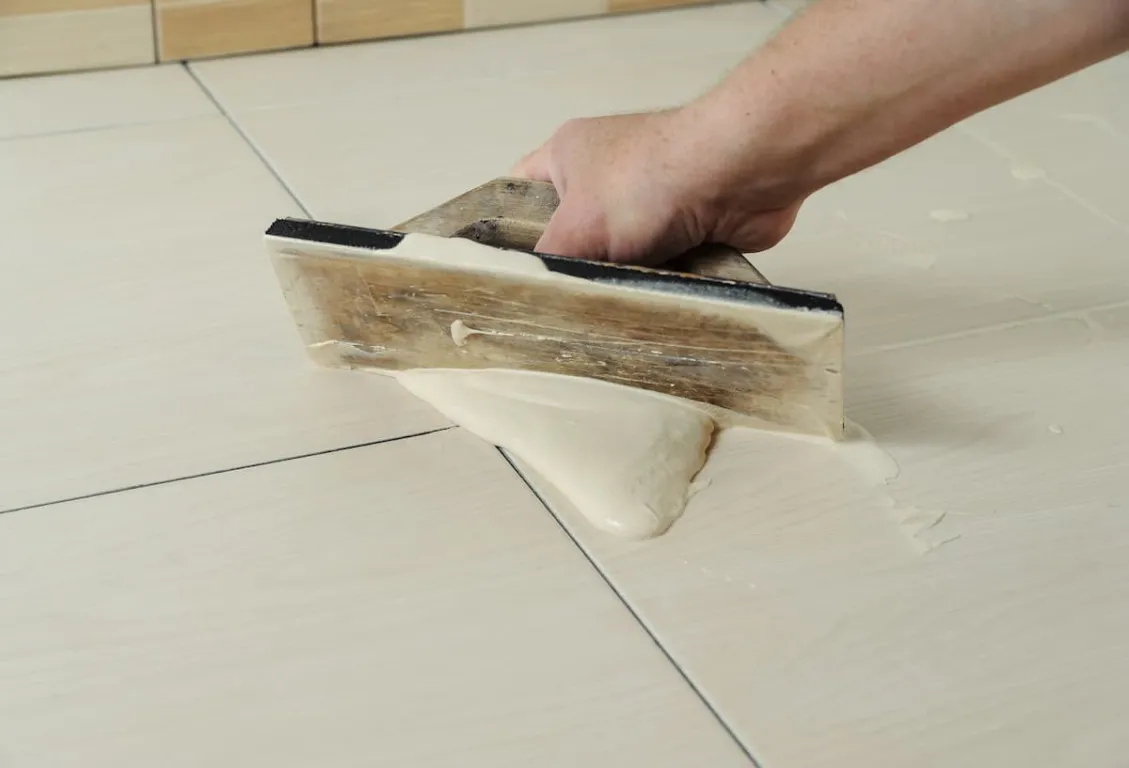
Ceramic tile grout is a building material used to fill the gaps between tiles after installation is complete. Although it may seem simple, this material plays a crucial role in maintaining the strength of the tile installation while also giving it a neater appearance.
Proper use of ceramic tile grout can help protect tiles from various issues, such as water seepage and dirt getting into the gaps between tiles.
To learn what ceramic tile grout is, its functions, and how to apply it correctly, read this article to the end.
What Is Ceramic Tile Grout?
Ceramic tile grout is a material used to fill the gaps between tiles after installation. This material is commonly used on both floors and walls, including bathroom walls, kitchen walls, and other areas with ceramic tiles.
Although its main purpose is to fill the gaps between tiles, grout plays an important role in keeping tile installations neat, strong, and durable. Grout is generally available in powder form that needs to be mixed with water before use, though some varieties come as ready-to-use paste.
When applied properly, ceramic tile grout helps protect the gaps between tiles from water, dust, and dirt while giving the overall installation a cleaner and more finished look.
The Functions of Grout on Ceramic Tiles
Ceramic tile grout does more than just fill the gaps between tiles. It also helps maintain the strength, durability, and appearance of the tile installation. Here are some of the key functions of tile grout you should know.
1. Preventing Water Seepage
Grout helps reduce water penetration beneath the tile surface through the gaps between tiles. This is especially important in areas that are frequently exposed to water, such as bathrooms, kitchens, laundry areas, and terraces.
If water repeatedly seeps through the gaps between tiles, moisture can accumulate and risk damaging the underlying layers. Therefore, applying grout properly can help keep the tiles strong, more durable, and less prone to damage.
Read also: How to Calculate Ceramic Needs, Avoid Losses and Material Waste!
2. Preventing Insect Infestations
Grout also helps seal the gaps between tiles so that small insects, such as ants or cockroaches, cannot easily enter and nest in the gaps. If tiles are installed without grout, the empty spaces between tiles can become entry points for insects and places where dust and dirt can easily accumulate.
By filling these gaps with grout, the tile surface becomes more sealed, cleaner, and more comfortable for everyday use.
3. Supporting Tile Strength
Grout also protects the gaps between tiles from water, dust, and dirt that can seep beneath the tiles. This helps reduce the risk of moisture-related damage and can extend the lifespan of the tile installation.
Additionally, grout helps protect the gaps between tiles from friction, keeping them looking neat for long periods of time.
4. Enhancing Aesthetics
Tile grout not only fills the gaps but also makes the tiles look neater and more attractive.
Today, grout is available in a wide variety of colors, so you can match it to the color or pattern of your tiles. Choosing the right grout color can make the tiles look more harmonious, cleaner, and provide a more aesthetically pleasing finish.
How to Apply Tile Grout
To ensure the grout adheres properly and creates a neat result, the application must be done correctly. Here are the steps you can follow when applying tile grout.
1. Clean the Tile Grout Lines First
Before applying grout, make sure the grout lines are free of dust, dirt, or adhesive residue. If any areas are still wet, dry them first so the grout adheres properly, fills the gaps evenly, and creates a neater finish.
2. Adjust the Grout Thickness
Use grout that matches the width of the gaps between the tiles for a neater result. Generally, gaps in floor tiles are narrower than those in wall tiles, so the amount of grout needed should be adjusted accordingly. If the grout is too thick or applied in excess, excess material will be harder to clean up and may affect the final appearance of the tiles.
Read also: Here’s How to Install Floor Tiles Neatly and Durably
3. Spread the Grout Until It Fills All the Gaps
Apply the grout along the gaps between the tiles, then press and spread it using a grout float or rubber tool until all the gaps are completely filled. Avoid leaving any empty spaces, as they can prevent the grout from bonding properly and make the tiles more prone to shifting or cracking over time.
4. Wait Until Dry, Then Clean
Let the grout dry according to the instructions, then wipe away any excess grout still clinging to the tile surface using a clean cloth or sponge. This will ensure a neater finished look.
That concludes our discussion on tile grout, covering its definition, functions, and application methods. In addition to grout selection, choosing the right mortar for tile installation is equally important, as it can affect the structure’s strength and durability.
For optimal results, you can use Semen Merah Putih Watershield, a super-premium multipurpose cement suitable for various construction needs, ranging from foundations, concrete slabs, concrete pouring, bricklaying, plastering, to rendering.
Semen Merah Putih Watershield features water-repellent technology that provides protection against water seepage originating from outside the building, the interior, or the ground. This technology helps keep the building strong and more durable, while reducing long-term maintenance needs.
For more information or to consult about the right materials for your project, please contact us. So, what are you waiting for? Build stronger, more durable structures with Semen Merah Putih.
Read also: 10 Kitchen Backsplash Tile Ideas, Elegant and Minimalist