
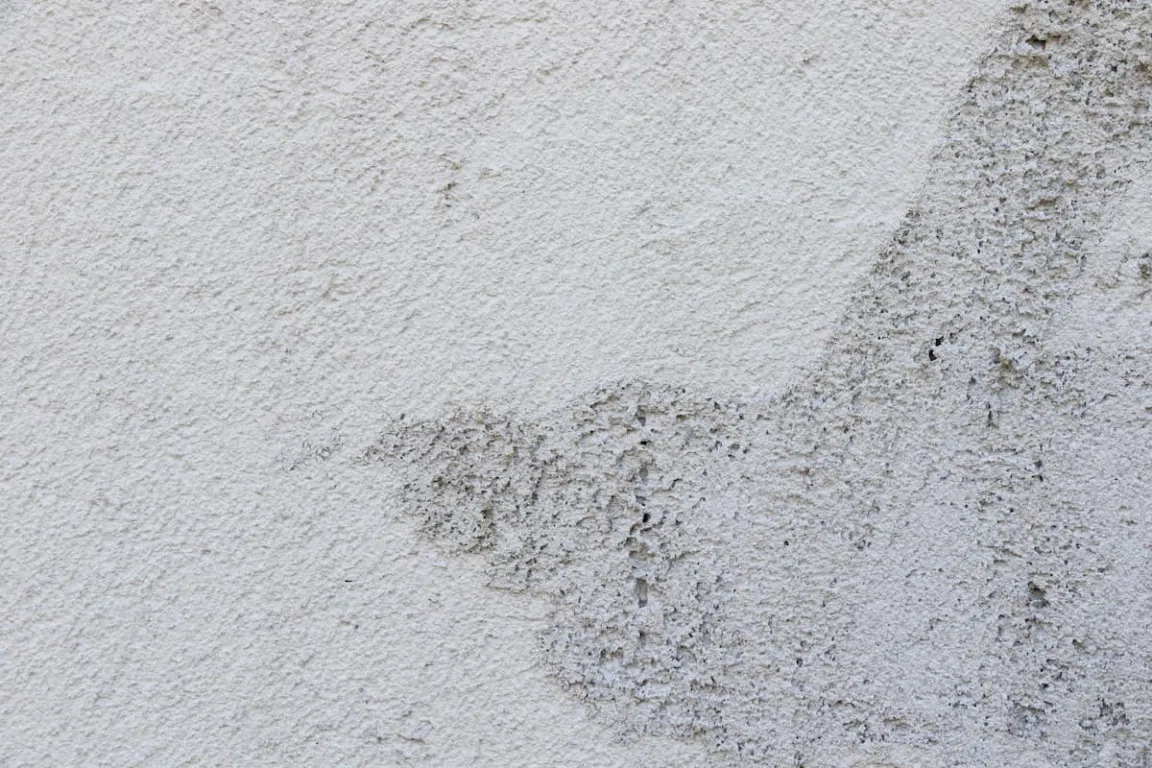
Wall efflorescence is a fairly common problem that occurs on various building wall materials. This condition is characterized by white or grayish stains that make the walls look dull and can affect the building’s appearance and durability if left untreated.
Understanding the causes, effects, and ways to treat and prevent efflorescence is essential for homeowners and construction professionals to maintain building quality.
Read the full explanation below to learn the proper steps for addressing wall efflorescence!
What Is Wall Efflorescence?
Wall efflorescence refers to the appearance of a powdery or crystalline white layer resembling chalk on the surface of walls, floors, or ceilings. This problem typically occurs on materials such as brick, concrete, plaster, and natural stone.
The formation process is quite simple. Initially, building materials or groundwater around the house already contain naturally occurring, easily soluble salts.
When water or moisture seeps into the walls, these salts dissolve and are carried to the outer surface.
When the water evaporates on contact with air, the salts remain behind as unsightly white stains.
Besides detracting from the house's appearance, the white powder also signals a leak or moisture problem that could compromise the building's structural strength.
Causes of Wall Efflorescence
A white coating on wall surfaces doesn't appear out of the blue. It results from a natural process triggered by a combination of salts, porous materials, and moisture. Simply put, this phenomenon typically occurs on walls that are cracked or have high moisture levels. Here is how wall efflorescence occurs:
1. Mineral Salts Within the Wall
Porous materials, such as concrete or brickwork, naturally contain mineral salts. These salts remain in the wall unless water movement or moisture triggers them to move.
The risk of efflorescence increases significantly when using cement or bricks with very high levels of soluble salts that are exposed to water.
Read also: How to Build a Concert Wall for Optimal Durability, Take Notes!
2. Exposure of Mineral Salts Through Wall Cracks
Cracks in walls let rainwater and moisture penetrate, dissolving mineral salts within the material. The water then carries these salts to the wall’s surface as it seeps through the material’s pores.
This risk is even higher in materials such as brick, concrete, and natural stone because they absorb and retain water more effectively, making it easier for the salts to be carried to the surface and form efflorescence.
3. Water Infiltration
Rainwater or moisture can seep through cracks in the walls and dissolve the mineral salts within them. This condition is generally caused by poor drainage, leaks, or inadequate waterproofing, which allows groundwater to penetrate the building structure more easily.
In addition to rainwater and groundwater, residual water from the construction process can also trigger efflorescence if not properly managed. As a result, excess moisture will carry mineral salts to the wall’s surface, forming white stains.
4. The Appearance of Salt Stains on the Surface
As water inside the wall evaporates, it leaves dissolved mineral salts behind, forming white or grayish stains on the surface. This is known as efflorescence.
This condition typically occurs on exterior walls, around windows, or in parts of the building frequently exposed to moisture, as water continuously moves through the wall’s pores until it reaches the surface.
Effects of Wall Efflorescence
If not addressed promptly, wall efflorescence can affect a building's appearance and durability. Here are some potential effects:
- Makes walls look dull: White salt stains can leave discoloration, reducing the wall's aesthetic value.
- Accelerates damage to wall surfaces: Salt stains that keep reappearing can cause the material surface to gradually weather, reducing its strength and durability.
- Causing cracks in walls: Salt expansion and contraction can put pressure on walls, causing cracks. These cracks also allow water to seep in, thereby worsening efflorescence.
- Reducing paint adhesion: Salt and moisture on wall surfaces can prevent paint from adhering properly, making it easier to peel.
Read also: GRC Walls, An Aesthetic & Noise-Resistant Wall Material
How Can It Be Prevented?
You can prevent wall efflorescence by reducing water ingress into building materials and keeping walls dry. Here are some steps you can take:
1. Ensure the Drainage System Is Functioning Properly
Use an appropriate drainage system to prevent rainwater from pooling or seeping into the foundation and walls. Proper drainage helps reduce excess moisture in the building.
2. Use a Waterproofing Layer
Apply a waterproofing layer during construction or renovation to reduce water seepage into the wall materials. This layer helps prevent salt stains on the surface.
3. Choose Eflorescence-Resistant Materials
Use building materials or wall coatings designed to reduce water absorption and inhibit mineral salts from migrating to the surface.
4. Maintain Good Air Circulation
Ensure areas prone to moisture, such as bathrooms or basements, have adequate ventilation so walls dry faster and moisture doesn't accumulate.
5. Repair Cracks and Clean the Wall Surface
Before painting, remove any efflorescence stains, dust, and dirt. After that, seal all cracks to prevent water from seeping back into the wall.
6. Apply a Sealer and Protective Paint
Once the surface is ready, apply a sealer as a base coat, followed by two coats of high-quality protective paint to make the walls more resistant to moisture, alkali, and the reappearance of efflorescence.
You can prevent wall efflorescence by choosing high-quality materials and applying proper protection from the construction phase onward. For the best solution, you can rely on Semen Merah Putih Watershield. This product is a super-premium multipurpose cement that offers many advantages over ordinary cement.
With its water-repellent technology, this cement provides triple protection by blocking water seepage from three sources at once: the outside, the inside, and the ground.
Using this cement makes your building much stronger and more durable while minimizing maintenance costs.
Its multipurpose nature makes Semen Merah Putih Watershield highly suitable and versatile for all types of construction applications, from foundation construction, concrete slabs, and concrete pouring to bricklaying, smooth plastering, and finishing work.
So, do you want your building to be free of damp walls and efflorescence? Do not hesitate to contact us right away to get the best construction solutions for your project! Our team of experienced experts is ready to help make your project a success with top-quality materials and reliable service.
Read also: Tips to Make Durable Cement Walls That Do Not Crack Easily