
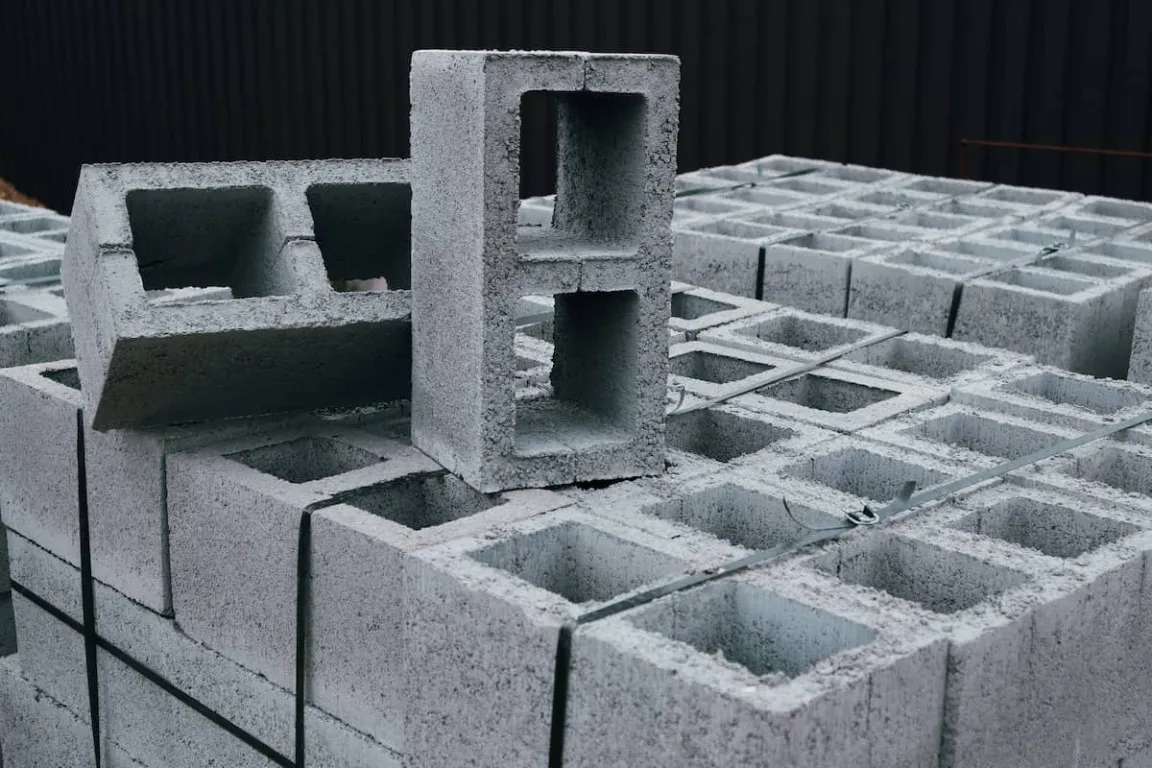
The construction industry continues to evolve, producing strong, efficient, and precise materials thanks to the integration of technology. One result of the construction industry's modernization is the production of precast concrete.
Unlike other types of concrete, precast concrete is molded and cured directly in a factory. This means that when it is transported to the project site, the concrete is ready for installation.
As an innovation in modern construction materials, precast concrete offers numerous benefits for building projects. Read the full discussion in this article.
What Is Precast Concrete?
Precast concrete is made by pouring a mixture of Portland cement, hydraulic cement, gravel, sand, and water into molds, then casting and curing it directly at the factory. This production process ensures consistent dimensions and guaranteed quality for every panel.
Precast concrete is manufactured in specific sizes and shapes, then transported to the construction site for immediate installation. This material is generally categorized into several types based on its intended use, namely:
- Paving Blocks. This type of concrete is typically mass-produced for road or park infrastructure projects.
- Box Culverts. Box-shaped concrete used for culvert construction.
- Curbstones. Used as roadside barriers.
- U-Ditches. U-shaped drainage channels used for drainage projects.
- Road Barriers. These serve as exterior barriers in permanent construction projects.
In Indonesia, precast concrete is commonly used in large-scale projects, such as drainage systems, elevated highway construction, modern buildings, and large-scale housing developments.
Read also: Hebel vs. Red Brick, Which Is Better? Check Out Here!
Benefits of Using Precast Concrete
Precast concrete offers numerous benefits, including time savings, cost savings, and improved workplace safety. Here are some of the benefits of using precast concrete:
1. Reduces Construction Time
One advantage of precast concrete is its ability to shorten project completion time. With this material, productivity increases because workers don't have to wait for concrete to cure on site.
Precast concrete components can be manufactured at the factory simultaneously while site preparation work, such as excavation and foundation work, is underway. That way, once the construction site is ready, the concrete simply needs to be transported and installed.
With precast concrete, the construction timeline also doesn't have to rely on weather conditions. With conventional concrete, rain can halt the entire pouring process and damage the curing quality. As a result, the project timeline can be delayed.
Installing precast concrete is often easier and faster because it uses a crane and can be completed in just a few hours.
On the other hand, conventional concrete methods take days because they require formwork installation, rebar assembly, pouring, and concrete curing.
2. High Durability
The biggest advantage of using precast concrete for large-scale projects is its high durability and low maintenance. Precast concrete is produced with laboratory-tested materials, resulting in a high-density structure.
This high density makes the structure durable and resistant to heavy impacts, corrosion, acid exposure, and moisture.
Precast concrete does not easily rot, rust, mold, or get damaged by pests like termites. This combination of qualities makes the material ideal for foundations, main pillars, and building exteriors.
Not only strong, but precast concrete is also designed to withstand natural disasters and emergencies. Its structure is built to resist various environmental loads, including earthquakes, in line with current structural design standards. The material is even fire-resistant.
Read also: Get the Tips and Inspiration for an Old House Renovation!
3. Cost Control and Labor Efficiency
Another benefit of using precast concrete is that the construction process is measurable. As a result, budget planning becomes more accurate and avoids extra costs from unexpected situations.
Precast concrete provides price certainty from the start of the contract. With conventional construction methods, materials like cement, steel, and wood are purchased gradually throughout the project, making them highly susceptible to price fluctuations due to inflation.
For example, if a project is planned to run for a year and there is a spike in steel prices in the fifth month, the contractor has to buy the materials at the higher price right away.
On the other hand, precast concrete uses a fixed price system agreed upon with the factory at the start of the project. This way, the risk of rising material costs during the project can be avoided, and the budget remains more stable.
Besides saving costs and time, shifting the workload to the production factory also has positive effects on occupational safety and health (OSH). Conventional construction sites are usually crowded, noisy, and prone to accidents due to bad weather.
By moving most of the high-risk activities from the site to the factory, the risk of workplace accidents on the project site can be minimized while also creating a safer working environment for workers.
Even though it has benefits, precast concrete also has its drawbacks. Some of the downsides of precast concrete are:
- Challenges in Material Transportation. Precast concrete generally comes in large dimensions and is very heavy, so transporting it from the factory to the project site requires special trucks.
- Limitations in Making Changes. Since the components are cast using factory-made molds that are already fixed, their dimensions or designs can't be changed midway. There is almost no room for modifications, like moving joint positions or adding pipe holes.
- High Initial Costs. One reason contractors rarely use precast concrete for small-scale houses is the high upfront cost. This method requires a large initial investment to produce concrete molds, rent cranes, and use the special transport trucks needed during the project.
That concludes the information on precast concrete use. Understanding the advantages and disadvantages of precast concrete is a good first step when considering construction material choices.
No matter the scale or type of building, trust your project needs to Beton Merah Putih, a premium construction solution supported by the latest technology, professional expertise, and the best resources.
Beton Merah Putih is part of Semen Merah Putih and offers a variety of ready-to-use, innovative concrete products for applications ranging from residential projects to large infrastructure.
Beton Merah Putih provides precast concrete products such as Box Culverts, Sheet Piles, U-ditches, Barriers, and other custom products.
With high-quality standards across different grades, Beton Merah Putih delivers optimal compressive and tensile strength for various industrial, commercial, and large infrastructure constructions such as housing, highways, and high-rise buildings.
Consult with us about your concrete needs and find the best construction solutions together. Contact us now. We’re ready to support your project planning with top-notch services.
Read also: Is a Concrete Water Tank Better? Here Are Its Advantages