
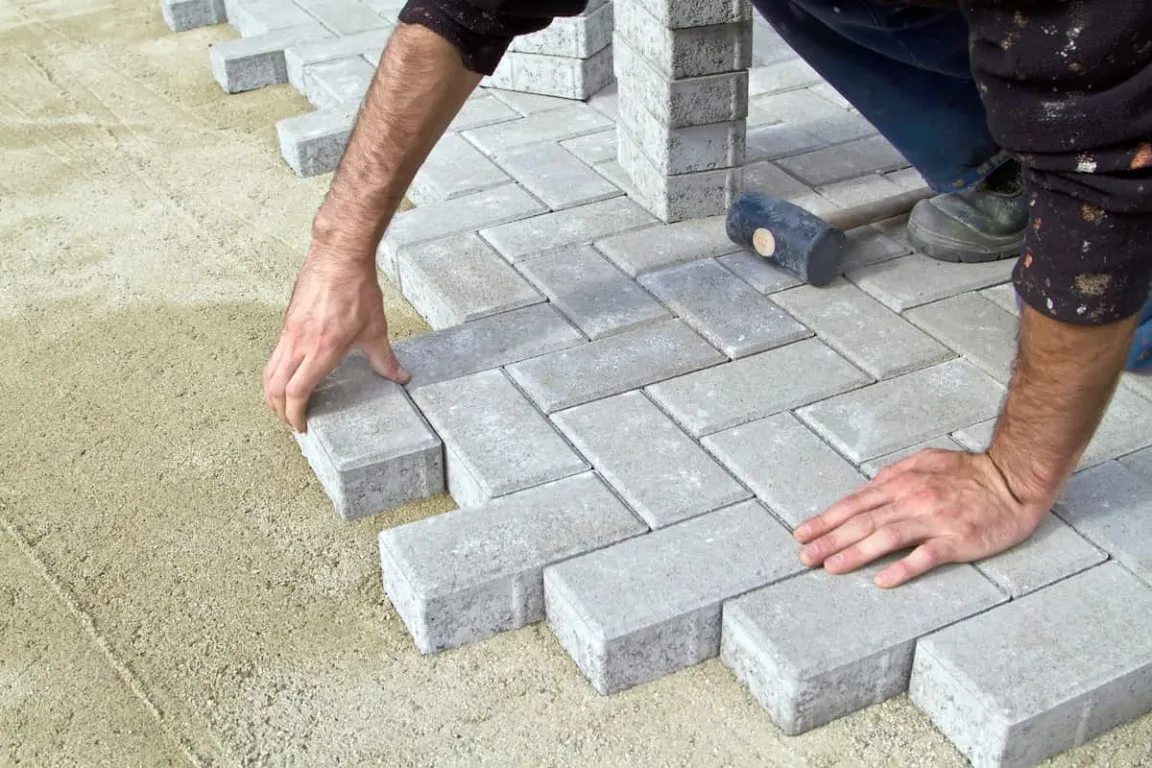
Paving blocks are generally made from concrete mixtures that are molded into various shapes and sizes for use on roads, sidewalks, and parking lots. This material not only strengthens the ground surface but also provides a neater appearance.
Although the process is relatively simple and can be done yourself, certain tools and materials are still needed to ensure strong, durable results. Read the full explanation of the tools, materials, and how to make them in this article so that you don't make any mistakes.
What Are Paving Blocks?
Paving blocks are block-shaped building materials that serve to cover and strengthen the ground surface. This material is generally installed in various patterns and is widely chosen because it is easy to install, relatively affordable, and absorbs water well.
It is no surprise that paving blocks are often used in small alleys, home yards, gardens, parking lots, and roads. In addition to making surfaces more stable, paving blocks also help prevent erosion and facilitate maintenance, as water can seep through them more easily than it can through asphalt or concrete.
Read Also : Estimated Concrete Casting Cost per Meter : Detailed and Accurate!
Materials for Making Paving Blocks
The process of making paving blocks begins with selecting the right materials. You need to prepare all the main materials before you start mixing the dough. Each material affects the strength and final result. The following are the important materials that are usually used:
1. Water
Water is used to bind cement, sand, and gravel into a concrete dough that can be molded. The amount of water must be just right to maintain concrete quality. If there is too much water, the concrete will be brittle, and if there is too little, the mixture will be difficult to shape.
2. Gravel
Gravel or split stone provides structure to the concrete, making the paving blocks stronger. This material helps the paving blocks remain stable under heavy loads. The size of the gravel can be adjusted based on the type of paving you want to create.
3. Additional Materials (Optional)
Some manufacturers add additional materials, such as dyes, recycled plastic, or chemical additives. These materials can increase the strength or durability of paving blocks. Dyes can also be used to create a more attractive appearance.
4. Sand
Sand provides strength and flexibility to the concrete that will be molded. Good sand is fine, clean sand that is free of impurities. Its smooth texture helps produce a neater paving block surface.
5. Cement
Cement is the main ingredient that binds all the materials together. The type of cement commonly used is Portland cement because of its strong adhesive properties. The quality of the cement greatly affects the durability and density of the paving blocks.
Read also: 12 Attractive and Aesthetic Home Yard Paving Block Models
Tools for Making Paving Blocks
In addition to the main materials, several important tools are needed to make paving blocks. Here are some of the tools used to make paving blocks.
- Paving block molds: Used to shape the concrete mixture according to the design. They come in various shapes, including square, rectangular, hexagonal, and other special shapes, and are usually made of metal, plastic, or silicone.
- Concrete mixer: Used to mix cement, sand, gravel, and water to make the mixture more even. There are two types of mixers, namely small mixers for home use and large mixers for large-scale production.
- Trowel: Used to level and finish the concrete surface after molding so that it is smooth, neat, and not slippery.
- Wire mesh or binding wire: Usually used for paving blocks that bear heavy loads. This wire is embedded in the concrete to increase strength and prevent cracking.
- Concrete vibrator: Compact the mixture by removing air pockets, making the paving blocks stronger and less prone to breakage.
- Cutting equipment: This tool is used to cut or adjust the size of paving blocks after they have hardened, such as a concrete cutter or special saw.
Read Also : 3 Benefits of Using Precast Concrete: Durable & Time-Saving
How to Make Paving Blocks
Once all the tools and materials are ready, you can begin the manufacturing process. The process is quite simple, as long as each step is done correctly. To ensure a stronger and neater result, here are the steps for making paving blocks:
1. Preparing the Materials
As explained earlier, the first step in making paving blocks is to prepare the materials, such as cement, sand, gravel, and water. Make sure all materials are available in quantities appropriate to the needs so that the production process runs smoothly.
2. Mixing Materials
Once all the materials are ready, you can start mixing the cement, sand, gravel, and water in a concrete mixer, then stir until evenly mixed. This process needs to be carried out carefully because a homogeneous mixture produces stronger, more durable concrete.
3. Filling the Mold
Next, once the concrete mixture is ready, pour it into the mold until it is completely and evenly filled. Use a concrete vibrator, if necessary, to compact the concrete and eliminate air pockets, ensuring the paving block shape matches the mold.
4. Leveling the Surface
Once the concrete is in the mold, level the top with a trowel or similar tool. This step ensures the paving block's surface is smooth and ready for use.
Read also: 6 Types & Sizes Home Garden Paver You Need to Know!
5. Initial Drying
Allow the paving blocks to dry in a shaded area for approximately 24 hours. This stage is important for reducing the risk of cracking caused by rapid water evaporation.
6. Curing Stage
The next stage is curing. At this stage, the paving blocks are kept moist by soaking them or covering them with a wet cloth so that the concrete hardens completely and reaches its optimal strength. After 24 hours, remove them from the mold and soak them in water for about seven days. This curing method helps increase the final strength of the paving blocks.
7. Final Drying
After the soaking process is complete, dry the paving blocks in a shaded area for several days until they are completely hard and ready for use. After that, conduct a quality check and cut them if necessary for more precise sizing. At this stage, the paving blocks are ready for installation.
Read Also : 5 Key Advantages of Light Concrete Blocks for Home & Building Construction
Tips for Optimal Paving Block Production Results
To make your paving blocks stronger and neater, there are a few simple things to keep in mind during the manufacturing process, such as:
- Use quality materials, especially cement and sand.
- Ensure the mixture ratio meets standards to maintain strength within specifications.
- Avoid drying in direct sunlight, as this can cause cracks due to rapid evaporation.
- Use clean molds to ensure a smoother surface on the paving blocks.
That concludes the explanation of how paving blocks are made, from the tools and materials to the manufacturing process. Once you know the steps, make sure to use high-quality materials so that the paving blocks are stronger and more durable.
In addition to choosing the right paving blocks, selecting the right cement also plays an important role in ensuring construction quality. To this end, Semen Merah Putih offers a solution with its Semen Merah Putih Watershield product.
Semen Merah Putih Watershield is a premium multi-purpose cement with various advantages, suitable for a wide range of construction applications, including foundations, concrete slabs, casting, bricklaying, plastering, and skim coating.
The water-repellent technology within it provides extra protection against water seepage, whether from the outside, inside, or the ground, making it ideal for various building needs.
Want to know more about other Semen Merah Putih products? Contact us for more information and consultation regarding your construction needs.
Read also: How to Calculate Cement Requirements: Here’s the Guide