
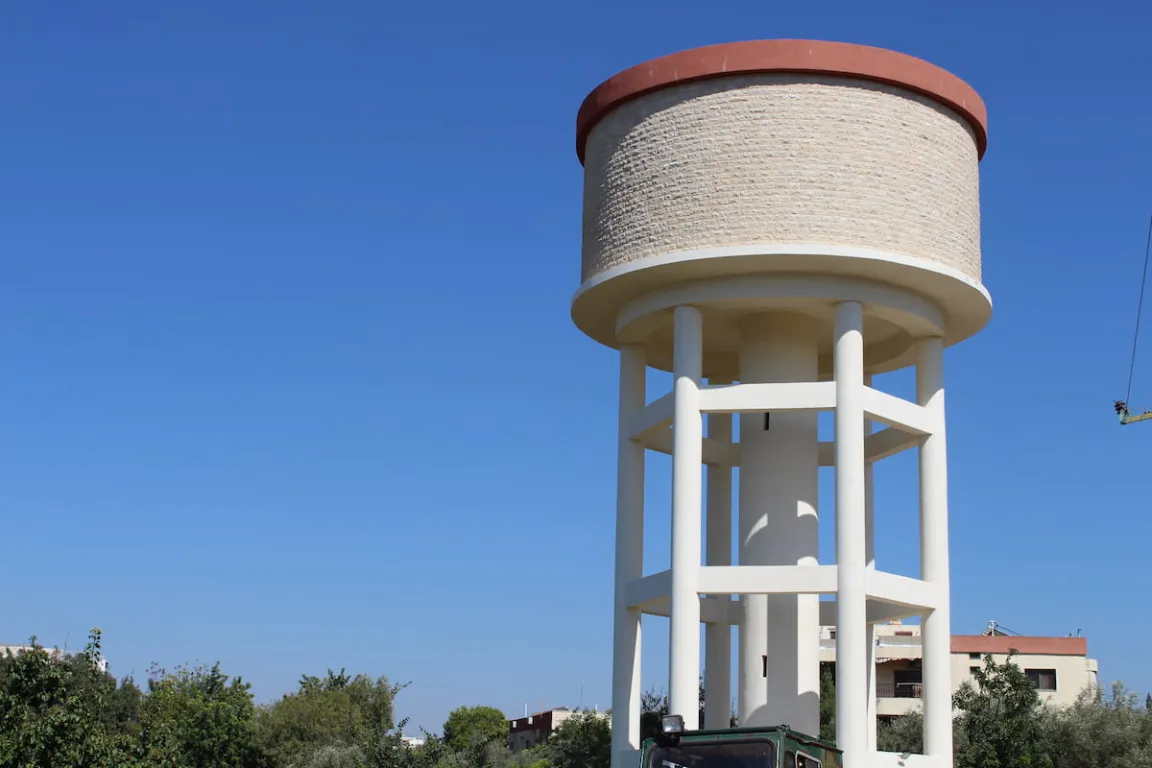
In a building, the availability of clean water is not only a matter of the source but also of how the water is stored safely and efficiently. This is where the role of a water reservoir becomes especially important, especially when using concrete materials known for their strength and durability.
Concrete water tanks are often chosen for their ability to withstand high water pressure and their greater resistance to weather conditions compared to other materials.
In addition, concrete structures tend to be more sturdy, making them suitable for long-term needs, whether in residential homes or commercial buildings. Read the full review of concrete water tanks below.
Advantages of Concrete Water Tanks
Concrete water tanks have several advantages that make them widely used, especially for large-scale or long-term needs:
- High durability: Concrete can withstand large amounts of water without easily deforming or sustaining damage.
- Resistant to extreme weather: Concrete material is not easily affected by heat, rain, or temperature changes, making it more durable in various environmental conditions.
- Low maintenance: Compared to materials like iron, concrete does not rust easily, so it requires less routine maintenance.
- Stronger and more stable structure: Concrete provides greater structural strength, reducing the risk of cracks, collapse, or leaks.
- Suitable for long-term use: With proper construction, concrete tanks can be used for extended periods without frequent replacement or repair.
Read also: Concrete Roof Slabs Structures: Functions & How to Build It
How to Make a Water Tank from Concrete
Making a concrete water tank requires careful planning to ensure the result is strong, safe, and durable. The process is not just about casting but also involves structural calculations and proper positioning.
In general, several important stages need attention, from adjusting the structure to installing the water tank.
1. Adjusting the Tower Structure
The first stage is to adjust the tower's design and structure to match the capacity of the tank to be used. The larger the volume of water, the greater the load it must support.
This calculation includes the tower's height, the foundation area, and the strength of the supporting columns. Make sure the structure is designed by an expert so that it can safely withstand the load in the long term.
2. Constructing Tower Structure
Once the design is determined, proceed to the construction of the concrete structure. It usually consists of the foundation, columns, beams, and support slab for the tank.
At this stage, material quality has a significant impact. Use the proper concrete mixture and ensure the pouring is carried out correctly to prevent cracks or voids in the future.
Some other things to pay attention to in the tower construction structure are as follows:
- Accurately calculate the load capacity: Make sure you know the tank's maximum usable volume. The tower structure must be designed to withstand the water load when fully loaded, as excessive load can cause cracks or even collapse.
- Choose strong, weather-resistant materials: Use high-grade concrete or galvanized iron that are not easily damaged by heat and rain. The right materials will greatly affect the construction's long-term durability.
- Provide access for routine inspection: Ensure safe ladders or walkways are available to facilitate maintenance. Without adequate access, periodic inspections will be difficult to carry out and could increase the risk of damage.
- Add safety elements: To prevent incidents, especially in areas frequently accessed by people, it is advisable to install fences or guards around the tank.
- Pay attention to pipe and ventilation installation: The inlet and outlet pipe systems must be installed correctly to ensure smooth water flow. Do not forget the ventilation, as it is important for maintaining stable air pressure inside the tank and preventing leaks.
3. Installing Water Tank
After the concrete structure is complete and sufficiently dry, the next stage is installing the water tank on top of the tower.
Ensure that the tank is positioned stably and level, and is equipped with a strong fastening system or base. Additionally, pay attention to the installation of the inlet and outlet pipes so that water distribution runs smoothly without leaks.
Read also: Reinforced Concrete: Definition, Uses, Structure, & Benefits
Is Concrete Better than Iron for Water Tank Sites?
The choice between concrete and iron actually depends on the needs and usage conditions. Concrete excels in strength and weather resistance, making it suitable for long-term use and high capacity. In addition, concrete does not rust easily, making it more resistant to moisture.
Meanwhile, iron is usually more flexible and quicker to install. However, this material requires extra maintenance because it is prone to corrosion, especially if frequently exposed to water and humid air.
If you are looking for a more durable and low-maintenance solution, concrete might be a better choice. However, for more practical and lighter needs, iron can still be considered.
Read also: 10 Minimalist Concrete Staircase Designs for a 2-Story House
Where Is the Proper Location for a Water Tank?
The placement of a water tank cannot be done carelessly, as it affects the smoothness of water distribution and the safety of the building structure.
In general, a water tank should be placed at a higher elevation so that the water flow can use gravity. In addition, the location must also have a strong structure to support the load and be easily accessible for maintenance.
Here are some commonly used location options:
1. Flat Roof of the House
The flat roof of the house is one of the best locations for a water tank. A high position allows water distribution to all parts of the house to be smoother without additional pump assistance.
However, make sure the concrete roof structure is strong enough to support the tank's weight, especially when it is full. Also, pay attention to the waterproofing system to prevent water leakage into the lower parts.
2. Behind the House
Placing a water tank in the backyard can be a solution if you don’t want to burden the roof structure. Usually, the tank is placed on top of a tower or a special concrete stand.
This location is also more flexible for maintenance and does not significantly interfere with the appearance of the front of the house. However, make sure the area has a strong foundation and is not prone to water pooling.
3. Beside the House
The side area of the house is also often used for a water tank, especially when the land is quite limited.
The tank can be placed on a concrete tower structure at a certain height to ensure it still gets optimal water pressure. In addition, this position makes it easier to access for inspection and repair if needed.
Make sure the distance from the main wall is not too close without protection, so as not to cause moisture or damage to the building.
Choosing a place for a concrete water tank requires careful planning, including structural design, location selection, and construction. To ensure the construction results are stronger, neater, and less prone to damage, it is important to use high-quality concrete materials.
One practical solution you can consider is using Ready-Mix Concrete from Semen Merah Putih, which offers controlled quality and more efficient processing.
Through our subsidiary, Beton Merah Putih, we provide solutions for readymix concrete, precast concrete, Value Added Solutions, and aggregates. We offer high-quality readymix concrete that meets current construction standards, as well as efficient, durable precast concrete for a range of projects.
Our Value Added Solution includes consulting services and innovative product development to support your construction needs. In addition, we provide high-quality aggregates essential to ensuring the stability and strength of building structures.
Contact us now to get the best construction solutions for your project! We are ready to help you achieve project success with superior concrete products and services.
Read also: Knowing the Importance of Concrete Treatment