
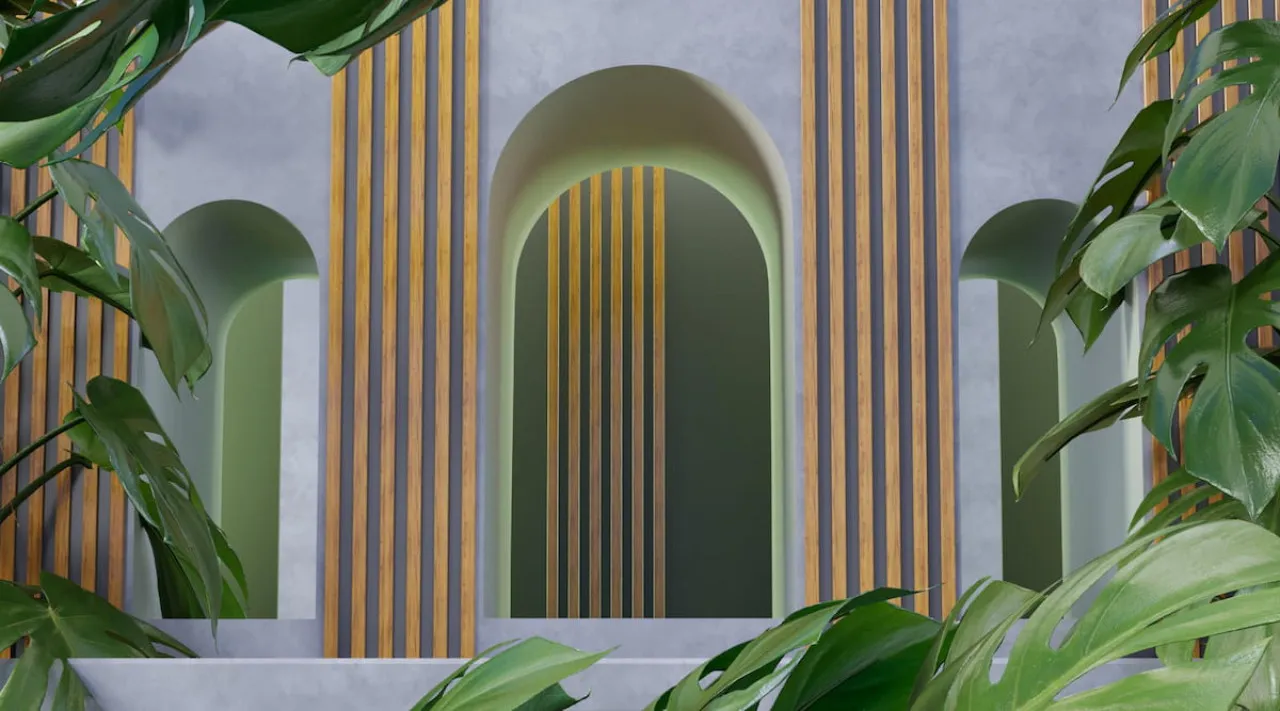
Tropical architecture is a concept that incorporates the characteristics of buildings in tropical climates, making it suitable for application in Indonesia.
In tropical climates, the recommended architectural concept considers resistance to high temperatures, humidity, and rainfall.
Therefore, tropical architecture features distinctive building constructions to accommodate these construction requirements.
If you want to know more about tropical architecture and its characteristics, read the article below to the end.
What Is Tropical Architecture?
In short, tropical architecture is a building design that is tailored to the tropical climate. In general, tropical architecture also features natural decorations and materials.
Tropical architecture buildings offer good air circulation, lighting, humidity, and weather, as well as disaster mitigation, while also evoking a tropical aesthetic with various vegetation.
In other words, this type of architecture is designed to help buildings withstand high temperatures and rainfall, intense solar radiation, humid air, and other natural aspects of the tropical climate.
Characteristics of Tropical Architecture
We have briefly mentioned the characteristics of tropical architecture that help buildings withstand tropical climates. More specifically, the attributes of tropical architecture are as follows:
1. Materials
First, the materials used in designing tropical architecture are natural elements from the surrounding environment. These include various traditional elements, such as wood, bamboo, and natural stone.
Then, to ensure the building can withstand extreme weather and last a long time, the use of weather-resistant materials is recommended.
2. Shape
Tropical architecture buildings are usually built with elongated facades, facing north and south, so that their surfaces are not exposed to excessive sunlight. This ensures that the thermal comfort of the building is not disturbed.
In addition, the building's structure is designed with safety measures that consider earthquakes, strong winds, flooding due to high rainfall, and extreme weather conditions in tropical climates.
3. Color
Usually, the paint used on buildings is a bright color. Not only does this enhance the visual image, but bright colors also prevent heat absorption, whereas dark colors tend to absorb it.
Read also: 6 Cozy Small House Designs Inspirations & Some Useful Tips
4. Roof
In modern tropical architecture, one design concept that takes high rainfall into account is the shape of the roof. The roof is constructed with a slope of 30 degrees or more. Typically, this roof ends up being saddle-shaped or pyramidal.
With this concept, you can anticipate prolonged extreme weather changes. Additionally, these roofs can prevent heat from solar exposure.
It is essential to construct roofs using the highest quality materials. In this case, to align with the tropical architectural concept, choose the roof made from light-gauge steel or wood.
However, the use of light-gauge steel for roofing needs to be balanced with heat insulation because of its ability to conduct heat quickly.
5. Ceilings
In adopting tropical architecture principles, ceilings should be designed to be high to cool the interior. This design allows hot air to rise, leaving the lower part of the room cooler. Thus, the room temperature will drop without the need for an extra air conditioner.
6. Floors
High floor elevation can be beneficial for buildings in tropical climates. Not only is it aesthetically pleasing, but this aspect, which is often adopted in coastal areas, reduces the risk of floodwater entering the building.
Furthermore, this design helps reduce the temperature naturally because air can flow quickly under the building. This also brings fresh air into the room.
7. Overhang
Did you know that an overhang is an additional roof that is separate from the main roof? With an overhang, buildings can be shaded from heavy rainfall and intense sunlight.
8. Air Circulation
In tropical architecture, creating good air circulation can help regulate room temperature, making it more comfortable.
To achieve this, architects will add numerous vents that allow fresh air to enter and pollutants to exit the building.
Not only that, but these vents also allow for better natural lighting while minimizing humidity, ensuring a comfortable indoor environment.
9. Lighting
As explained before, the amount of ventilation affects natural lighting in a building. In fact, this is one of the characteristics considered in tropical architectural design.
The exposure to natural light provides good lighting inside a room. However, in tropical countries, exposure to sunlight is relatively high, which can cause the room temperature to rise quickly.
Therefore, it is best to use medium-sized ventilation, windows, and doors to control this. Then, you can put curtains or blinds on the windows so that the light that enters is not too intense.
Read also: 10 Japanese House Designs: Minimalist and Aesthetic
10. Vegetation
One of the key characteristics of tropical architecture is its elaborate decoration. This type of architectural style often uses plants as interior and exterior decorations. In fact, some architects ensure that buildings have at least a mini garden.
Not only do plants add a tropical look, but they also help keep buildings cooler, regulate humidity, and enhance overall air quality.
Advantages of Tropical Architecture
Tropical architecture offers an attractive appearance and comfort to buildings in climates characterized by high rainfall, humidity, and intense sunlight. The following are the general advantages of tropical architecture:
- Easily adapts to tropical climates, including hot weather and humid air.
- Reduces the need for air conditioning and artificial lighting, thereby saving energy.
- Makes people inside the house feel more comfortable and helps reduce the risk of illness due to tropical climates.
- Enables the mitigation of natural disasters, including strong winds, floods, earthquakes, and extreme weather conditions.
Examples of Tropical Architecture
Tropical architectural designs are currently widely used in various countries, including Indonesia. In general, this type of design is used for building houses, but several other public facilities have also adopted this architectural style.
Here are some examples of tropical architecture around the world:
- The Tangga House: A modern tropical-concept residence in Singapore designed by Guz Architects. It features a rooftop garden and an infinity pool.
- Maleny House: Another tropical-concept house on the Sunshine Coast, Australia, designed by Bark Design Architects with a mountainous backdrop.
- Bartlett Residence: A tropical residence complete with a tropical garden and swimming pool in Costa Rica, designed by SARCO Architects to blend in with the surrounding nature.
Are you interested in constructing a tropical architectural-style building? To implement it, do not forget to apply the above characteristics, including considerations for environmental sustainability.
In this case, one solution is to use environmentally friendly materials. For this, Semen Merah Putih Flexiplus can be the solution for you.
Semen Merah Putih Flexiplus is a hydraulic cement product specifically developed to meet the needs of structural applications, such as construction with high compressive strength concrete and improved workmanship.
This makes Semen Merah Putih Flexiplus suitable for the production of ready-mix concrete, precast concrete, lightweight brick, and Autoclaved Aerated Concrete (AAC).
Furthermore, Semen Merah Putih Flexiplus has successfully achieved the Green Label Indonesia (GLI) certification with a Gold rating. This highest rating is awarded by the Green Product Council of Indonesia (GPCI) to products that meet environmentally friendly standards.
If you are still considering its use, you can consult with our experienced team for further guidance.
For more information about all products from Semen Merah Putih, contact us now and get the best construction solutions for your project!
Read also: Earthquake-Resistant House Design, Structure, & How to Build It