
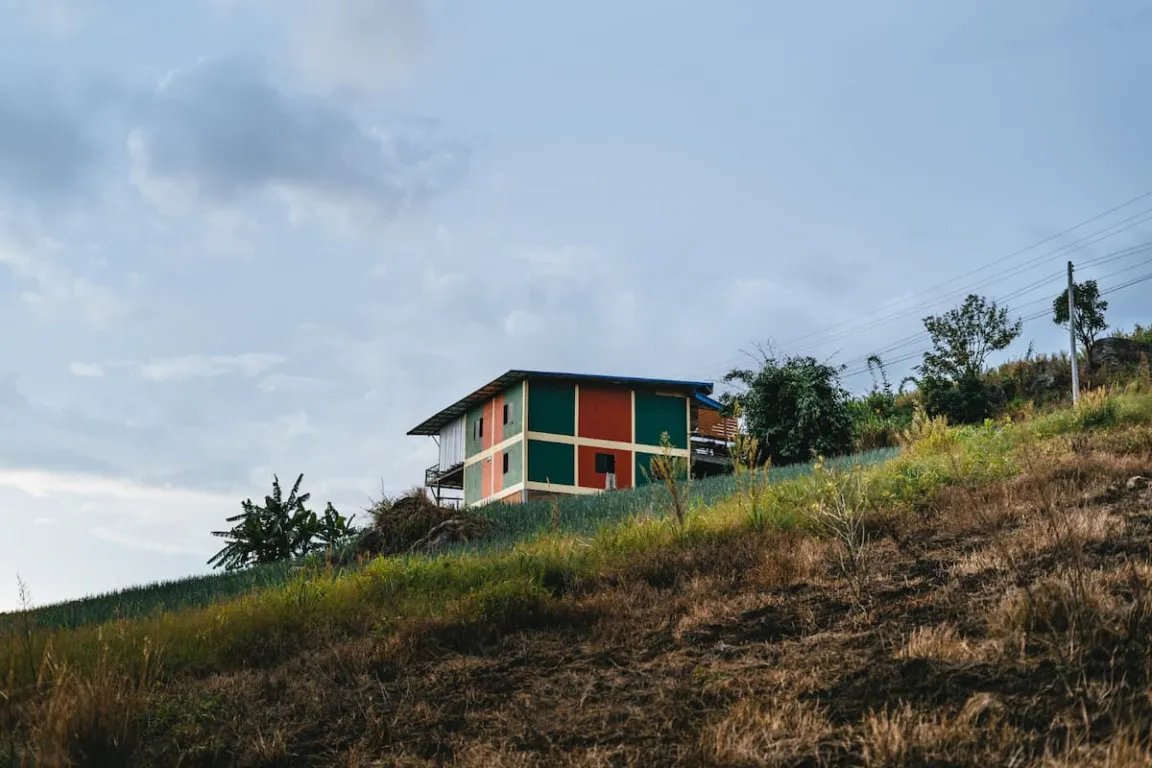
A sloped land house is often found in mountainous landscapes. Although it looks aesthetically pleasing, building a house on sloped terrain is not an easy project.
There are risks of landslides, soil instability, construction on foundations, and costs that tend to be higher than on flat land. However, with proper planning and design, sloping land can be transformed into a backdrop for a sturdy and beautiful home.
Want to know more about the design inspirations and tips for building them? Read this article to the end!
Sloping Land House Inspirations
Every sloping lot can be an ideal canvas for an aesthetically pleasing home when paired with the right design. To give you an idea, here are some sloping land house inspirations you can consider.
1. Modern Sloping Land House
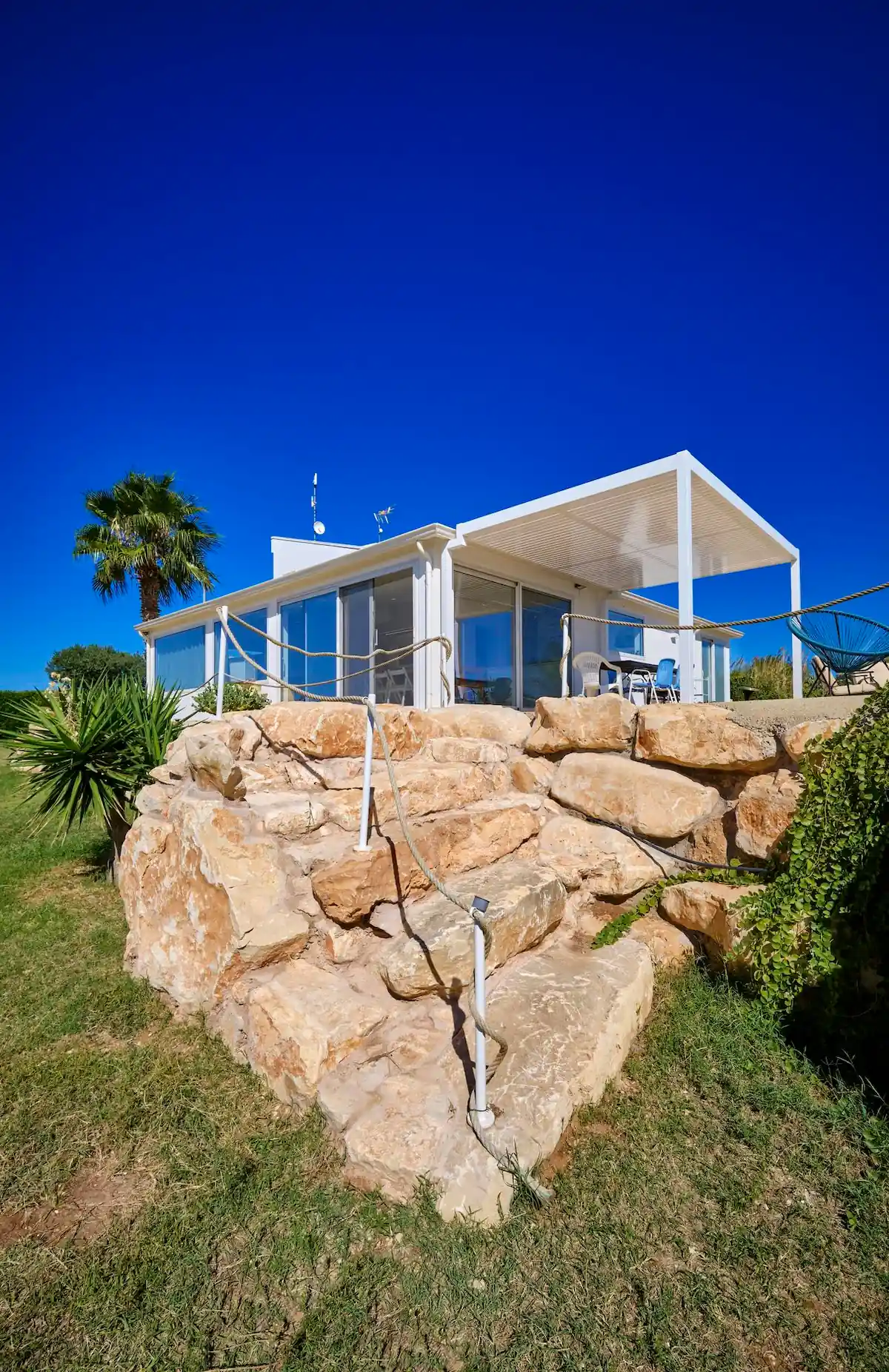
This modern sloping land house design uses stairs to overcome the slope, ensuring the building stands firmly. Suitable for land that is not completely sloping and is generally spacious. The house looks even more elegant, with large windows that enhance its refined aesthetic.
2. Sloping Land House with a Steep Design
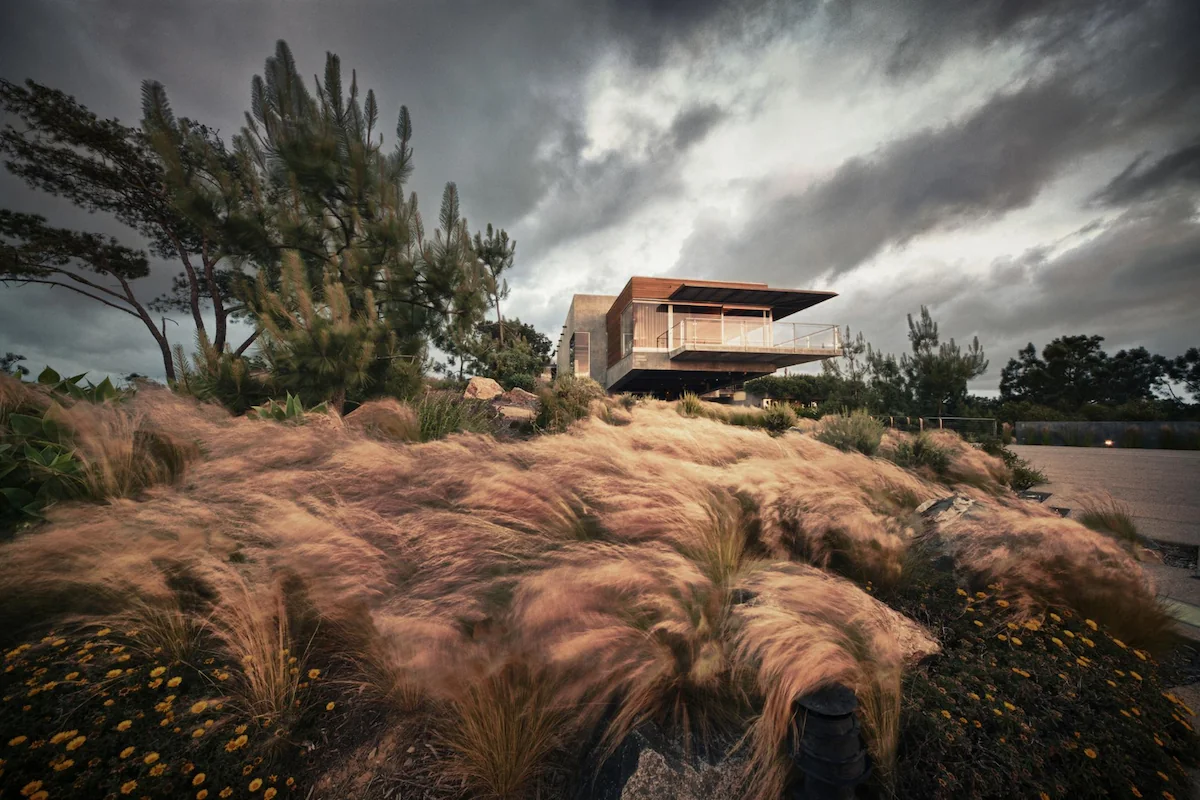
This design uses terraces to overcome steep terrain, ensuring the house remains safe from landslide risk. The building is modern, with a predominance of glass, and the interior could benefit from a split-level layout to feel more spacious and comfortable.
3. Sloping Land House with Stilt House Theme
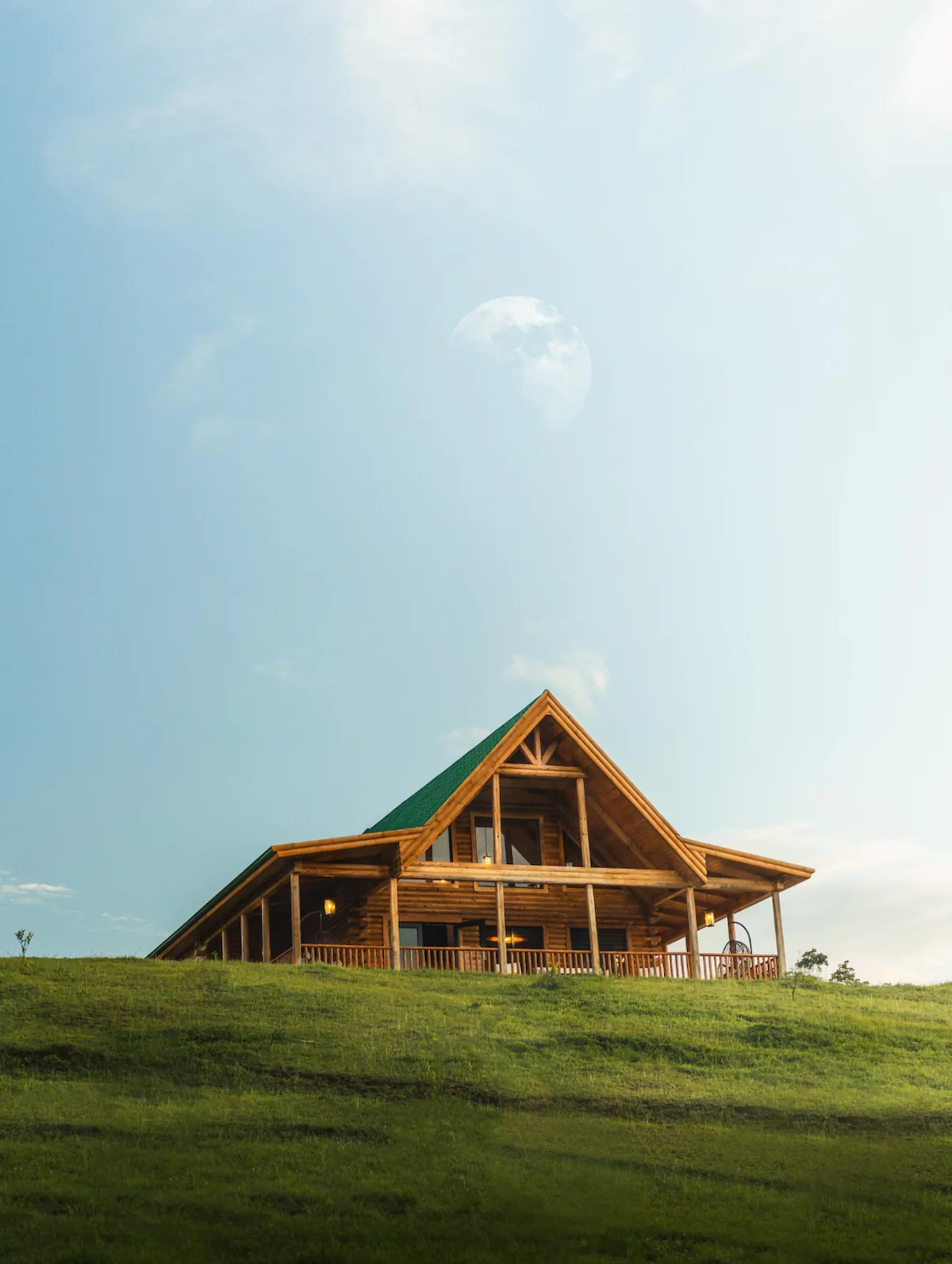
The stilt house model is suitable for sloping land because it keeps the house level. The foundation is built to match the land’s contours, while the upper part can be designed in a minimalist style using natural wood, creating a comfortable and aesthetically pleasing house.
4. Sloping Land House with Natural Nuances
A natural-themed multi-level house design is suitable for land that juts out to the rear, with the first floor in the lower area and the second floor in the higher area. A path connects the first and second floors, while stone, wood, and plants around the house create a natural and aesthetic impression.
Read also: 10 Japanese House Designs: Minimalist and Aesthetic
5. Sloping Land House with a Cantilever Concept
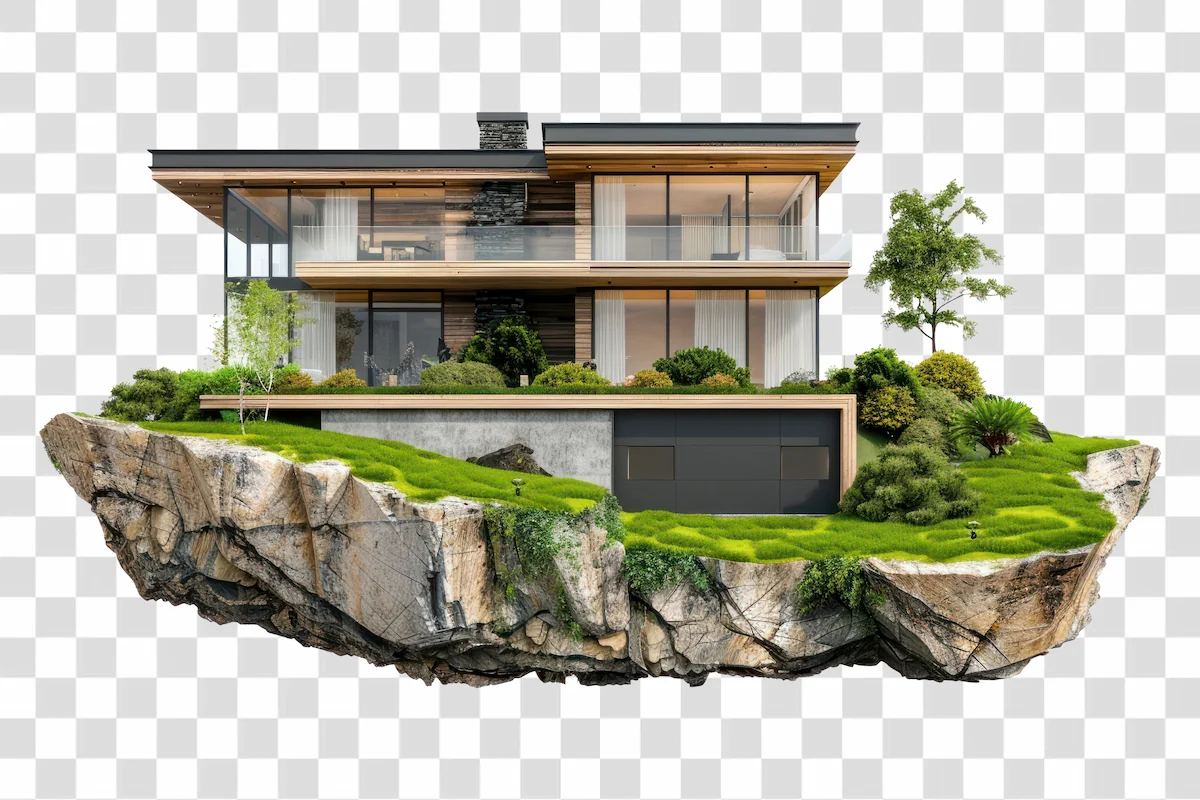
The cantilevered house design is well-suited to sloping land, offering a distinctive aesthetic. Two sets of V-shaped support pillars support the lower part, keeping the building sturdy and safe.
6. Cabin-Style Sloping Land House
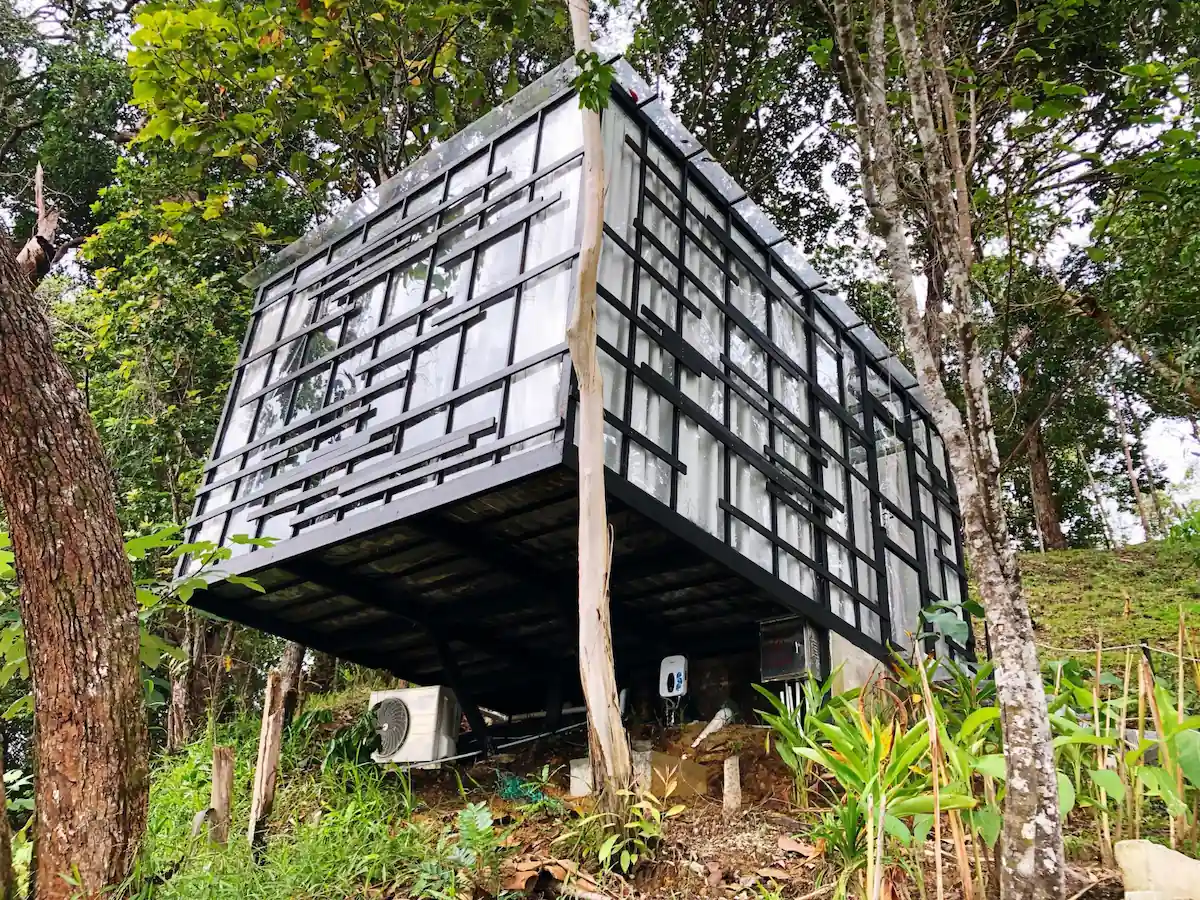
A simple cabin can be built on sloping land with a sturdy wooden or stone foundation that follows the slope. This concept is better suited to small dwellings with limited room numbers, while remaining comfortable and safe.
7. Minimalist Sloping Land House
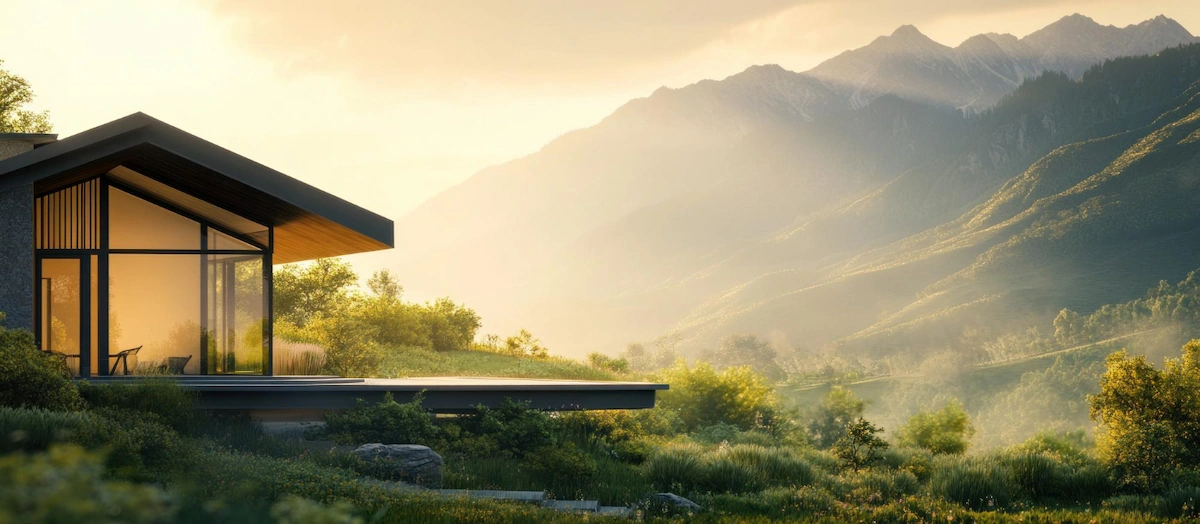
Minimalist house designs are suitable for sloping land, often found in mountainous areas. These simple buildings, characterized by a predominance of glass, sit on a level base, while the upper structure and interior can be arranged using a mezzanine concept.
Tips for Building a House on Sloping Land
In addition to choosing the right design, building a house on sloping land requires a specific strategy to ensure that it remains safe, sturdy, and comfortable. Here are some practical tips you can apply:
1. Build a Multi-Level House
Building a house on sloping land is easier with a multi-level or split-level design, where each room can have a different height. For example, the family room is lower than the living room.
This technique reduces the need for extensive excavations and retaining walls, while maintaining an aesthetic interior. Consult an architect for optimal results.
2. Use Pile Foundations
For houses on sloping land, you can use pile foundations to keep the building sturdy. Ensure that experienced builders or professional contractors perform the work to ensure optimal results.
3. Building a Retaining Wall
Retaining walls can prevent landslides on sloping land, especially during the rainy season. They are usually built at the back of the house or on slopes with height differences, and it is recommended to raise the ground contour to improve structural integrity.
Consult a contractor first, and note that this method is most suitable for land with a maximum height of 2 meters.
Read also: Minimalist 2-Story Houses: 10 Trendy Designs & Aesthetic Ideas
4. Building a Deck or Terrace
Build a deck or terrace on an uneven outdoor area to create a flat surface for relaxing, playing, or family gatherings. The material can be concrete, cement, or wood, depending on your needs.
5. Ensuring an Efficient Drainage System
Ensure that the drainage system of your house on sloping land is functioning correctly, using ditches, underground channels, or gutters to divert water. Efficient drainage prevents water from pooling during rain and keeps the house safe.
6. Utilizing Erosion Control Plants
Plant erosion-control plants in vacant areas, such as fragrant roots that can reach up to 6 meters. These plants can effectively reduce erosion and serve as natural columns that hold soil in place, preventing landslides.
Challenges in Building Houses on Sloping Land
Building a house on sloping land can create an aesthetic appeal, but several challenges must be considered. Here are some of the challenges in building a house on sloping land.
1. Soil Stability and Landslide Risk
Sloping land is highly prone to landslides, especially during the rainy season. To ensure safety, slope stability tests must be conducted to determine the ideal slope angle. The test results can also serve as a reference for selecting soil reinforcement methods, such as geotextiles, retaining walls, or specific foundation types.
2. Complex Technical Calculations
High safety risks mean that construction planning on sloping land must be completely accurate. This process can only be handled by experienced architects or civil engineers, who will calculate the land slope and the building load distribution in detail.
3. Difficult Project Access
Sloping terrain often hinders the mobility of workers, heavy equipment, and building materials. Therefore, it is necessary to ensure that the site access road is strong and wide enough to support project vehicles without disturbing the surrounding environment.
4. Higher Construction Costs
Building structures on sloping land requires stronger foundations and additional construction stages, including excavation, compaction, and the use of specialized materials. The difficulty of building foundations on sloping land and the expertise required from the professionals involved drive costs higher than on flat land.
5. Long-Term Monitoring
Once the house is built, the land's condition must still be monitored regularly. Cracks in walls or floors can indicate ground movement. Likewise, the drainage system must be continuously monitored to prevent structural deterioration. If there are signs of damage, it is best to consult an expert immediately.
Those are some design inspirations and tips for building a house on sloping land to consider. Although the challenges of sloping land are significant, the building can remain sturdy and aesthetically pleasing with careful planning and the right materials.
One important material that should not be overlooked is cement. To ensure that the building is stronger, more durable, and requires minimal maintenance, choose high-quality cement, such as Semen Merah Putih Watershield.
Equipped with water-repellent technology, Semen Merah Putih Watershield provides triple protection against water seepage from the outside, inside the ground, and capillaries, making it ideal for foundations, concrete slabs, and even plastering your home.
With the best materials, even houses on sloping land can stand strong and be comfortable to live in. So, choose Semen Merah Putih Watershield as the solution for building your dream house.
Contact us now for more information. Do not hesitate to consult with our expert team about your construction needs!
Read also: 13 Aesthetic Modern Minimalist Terrace Roof Models