
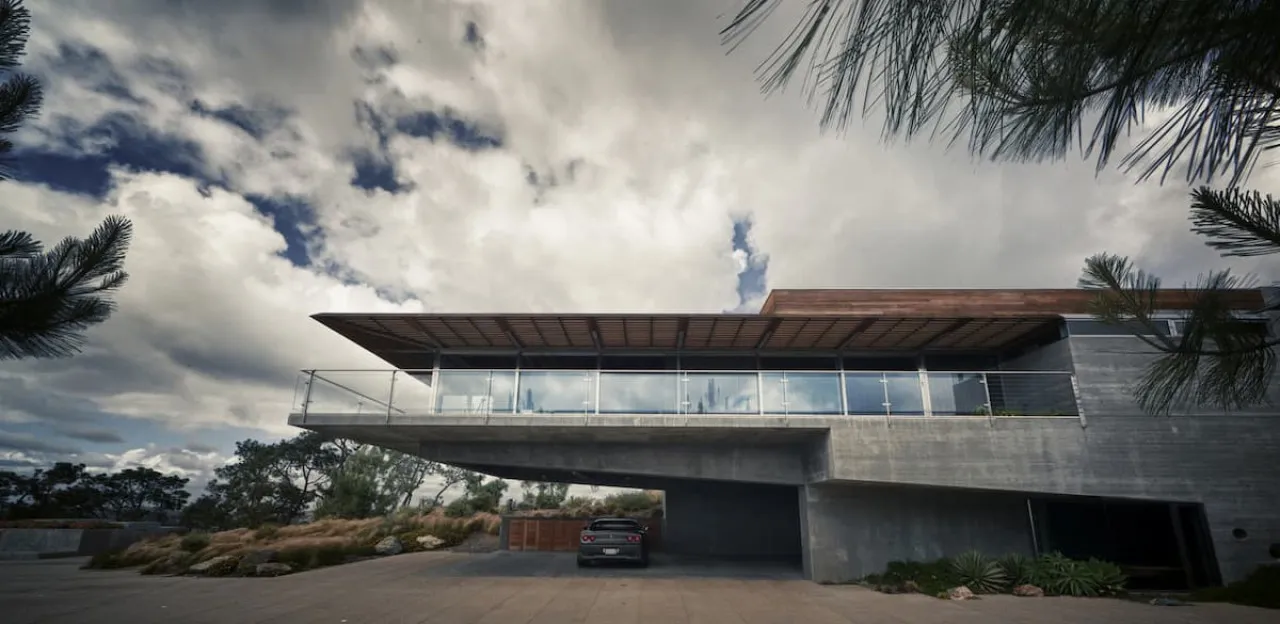
In recent times, modern concrete stilt houses have increasingly become a reference for housing. Their contemporary design, strong structure, and elevated height, which helps reduce the risk of flooding, make this type highly attractive.
Some people still associate stilt houses with traditional buildings. In reality, the concept has evolved significantly. Today, stilt houses can be designed in a modern architectural style and reinforced with concrete materials, making them look fresher and sturdier.
With clean design lines and an elegant character, modern concrete stilt houses become a comfortable and safe choice for flood-prone areas. To learn tips on building a modern stilt house and see examples, read this article to the end.
Tips for Building a Modern Concrete Stilt House
To ensure a modern concrete stilt house remains sturdy and comfortable, there are several important things that need to be considered from the outset. You can begin by understanding the following basic points:
1. Determine Stilt Height
Begin by selecting the appropriate stilt height for the house. This height needs to be adjusted so that the lower part of the house remains dry and protected during flooding in the surrounding area.
2. Strong Foundation Structure
Begin construction by preparing a truly sturdy foundation. Select strong materials, such as reinforced concrete or other water-resistant materials. A strong foundation can keep the house stable and safe by supporting the weight of the building and resisting water pressure during flooding.
3. Waterproof Basement Walls
If there is a basement, make sure the walls are completely waterproof. Use a special coating or material designed to block water, keeping the basement dry and reducing the risk of leaks.
4. Effective Ventilation Design
Ensure that the ventilation works properly so that air can flow smoothly in the lower part of the building. Adequate airflow helps keep the lower part of the house dry and prevents excessive moisture that can cause problems in the future.
5. Selection of Waterproof Materials
Use building materials that are not easily damaged by water, such as concrete, stone, or synthetic materials. Choosing materials like these helps buildings remain strong even when frequently exposed to water or moisture.
6. Elevated House Design
Design your house with floors that are higher than ground level. This elevation helps protect the interior of the house from floodwater, while also making the structure safer and more durable in areas prone to flooding.
7. Efficient Drainage
Set up a drainage system that works well around the house. The goal is to allow rainwater or floodwater to flow away from the building immediately. You can use special channels, small ditches, or other types of drainage that help water drain quickly.
8. Height and Slope of the Driveway
Set up the driveway so that it is slightly higher and has a sufficient slope. With this design, water will automatically flow outward, keeping the house safe from flooding during heavy rain or other flooding events.
9. Consider the Roof Design
Build the house roof with a shape that can drain rainwater smoothly. Add gutters and drainage channels that work well so that water can flow down and be directed without disturbing other parts of the house.
Read also: Minimalist 2-Story House Facade Design Ideas
Modern Concrete Stilt House Designs
To achieve a more aesthetic and functional modern concrete stilt house, you can explore various home designs. Each style offers a different character, ranging from simple nuances to a more futuristic look. Here are some design ideas that can be used as inspiration:
1. Minimalist Modern Architecture

A modern minimalist stilt house can be an inspiration for those of you who want to build a home in a flood-prone area. By choosing a modern minimalist concrete stilt house design, you can still have a home that looks contemporary, is neatly arranged, and is strong enough to withstand environmental conditions.
2. Open Design

Using an open design in stilt houses makes the appearance of the house more attractive while also increasing comfort. Air can move freely, and you can enjoy the outside view more clearly. The use of large sliding glass doors or wide windows also helps the house feel more integrated with its surroundings.
3. Combination of Concrete and Other Materials

Modern stilt houses can look much more attractive when concrete is combined with other materials such as wood, glass, or metal. Concrete gives a strong impression, while the touch of wood on the exterior makes it look warmer.
4. Futuristic Design

If you like modern designs but want an unusual look, a futuristic-style concrete stilt house could be an option. Besides having a unique shape, this model is also safe from flooding. The futuristic design embodies the concept of future living, with furniture that is unlike usual, bold color choices, and unconventional building shapes.
That is an overview of tips for creating a modern concrete stilt house, along with some design examples. This information can serve as a starting point for you in planning a home that is sturdy, functional, and suited to the environmental conditions.
In the construction of modern concrete stilt houses, the selection of materials plays a major role in the building's durability. To obtain a solid structure, you can choose products from Beton Merah Putih and Semen Merah Putih.
Various materials are available, including Ready Mix Concrete, Precast Concrete, and aggregates designed to meet current construction needs. Each product is made to be durable and meet the quality standards required for safe construction.
If you need advice on the most suitable materials for your modern concrete stilt house construction plan, contact us immediately and consult your needs.
Read also: The Concept and the Future Benefits of Green Architecture