
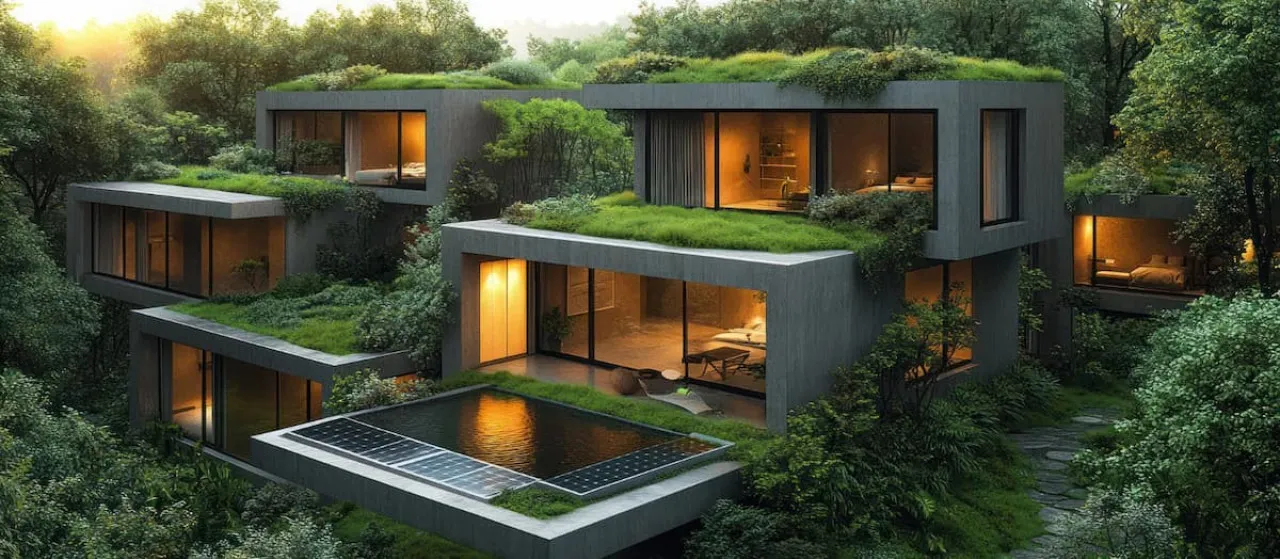
In the middle of the environmental crisis and climate change that is increasingly being experienced today, the modern construction sector is starting to move towards becoming more environmentally friendly. One approach that provides a solution is the concept of green architecture or green building.
This concept is not just a trend, but an essential foundation in creating sustainable building designs that care for the future of the Earth. So, what are the principles, and how are they applied? Let's take a look!
What Is Green Architecture?
Green architecture is an approach to building design and construction that considers environmental impact, energy efficiency, and sustainability principles. This concept includes the optimal use of natural resources, such as sunlight and air circulation, as well as environmentally friendly building materials.
In addition, buildings designed with this approach usually maximize green space inside and around the building. Thus, the building's atmosphere will feel healthier and more environmentally friendly.
The Purpose of the Green Architecture Concept
The primary purpose of green architecture is to create a healthy environment for humans and minimize negative environmental impacts. It is also a solution to address global challenges, including:
- Significantly reducing energy consumption.
- Reducing carbon emissions from the construction sector.
- Minimizing waste from building construction and operations.
- Improving the quality of life for residents through natural lighting and clean air.
- Optimizing land use efficiently and ecologically.
- Encouraging the use of environmentally friendly domestic materials.
Principles of Green Architecture
Some of the main principles in the application of green architecture concepts include:
1. Energy Efficiency
Green building designs utilize natural resources to reduce dependence on electricity. For example, the use of large windows to optimize natural lighting during the day.
2. Water Conservation
Utilizing rainwater and water recycling systems to reduce water usage in households. In addition, water-saving fixtures are also implemented in green buildings.
3. Land Efficiency
Site selection and development are also always a concern. Green architecture always integrates buildings with the natural landscape without damaging the surrounding ecosystem. This aims to prevent land degradation during construction and conserve natural resources.
4. Environmentally Friendly Materials
Green construction designs typically use local, recycled, or environmentally friendly materials. Some of the materials commonly used include certified wood and natural stone.
5. Waste Management
Green construction principles also prioritize recycling systems for old materials, thereby reducing waste from construction materials. This allows you to minimize potential environmental pollution.
Characteristics of Green Architecture
To be more easily recognized, here are some common characteristics of buildings that have implemented green architecture principles:
- Reduced energy consumption and prioritizes renewable energy sources, such as solar panels.
- Easy access to various forms of public transportation to reduce the use of private vehicles.
- Implementation of recycling systems and the use of more environmentally friendly materials.
- More efficient use of water for daily activities.
- The location is not on the edge of a forest or in an area prone to disasters such as landslides and floods.
Tips for Implementing the Concept of Green Architecture
Implementing green architecture does not have to wait for large building projects or high costs. This concept can be adapted gradually to residential or commercial buildings. Some strategic and practical steps you can take to create environmentally friendly and sustainable buildings include:
1. Optimize Natural Lighting
To create a green building, you can start by designing large windows and openings so that sunlight can enter the room optimally. Natural lighting will improve the psychological health and productivity of its residents. In addition, it can reduce excess moisture that can cause mold and odors.
2. Utilize Natural Air Circulation
Next, use a cross-ventilation system that allows air to enter from one side and exit from the other side. This will improve air circulation and make it healthier without the need for an air conditioner (AC).
Read also: Ways to Improve Home’s Air Circulation, Easy & Effective!
3. Using Environmentally Friendly Materials
You also need to pay attention to building materials. Choose building materials from nature, such as bamboo, recycled wood, natural stone, and other local materials. This is because natural materials tend not to contain harmful chemicals.
4. Installing Thermal Insulation
In addition to using environmentally friendly materials, you can also coat walls or roofs with natural materials to keep the room's temperature stable. This step is beneficial for reducing dependence on air conditioners in the summer or heaters in the winter.
5. Manage Water Wisely
Use a rainwater collection system for watering plants or an automatic garden irrigation system. You can also install water-saving faucets and toilets to reduce clean water consumption.
6. Using Renewable Energy
Currently, many buildings utilize renewable energy sources. You can install solar panels on your roof to generate solar energy. This can save on electricity bills in the long run and is more environmentally friendly.
7. Creating Green Spaces
Green building design cannot be separated from the presence of green areas, both inside and outside the building. These can be vertical gardens, rooftop gardens, or simply a row of indoor plant pots. Green spaces like this can provide a cooling effect and reduce pollution through natural air circulation.
8. Choosing Environmentally Friendly Building Products
The selection of environmentally friendly building products should not be overlooked in creating green buildings. This is because the quality of materials greatly determines a building's sustainability and efficiency. For example, use strong cement and environmentally friendly raw materials such as Semen Merah Putih.
Benefits of Green Architecture
Why is green architecture worth implementing in Indonesia? This concept has very broad benefits, not only for individuals. Here are the benefits of having an environmentally friendly and sustainable building:
- Saving energy and long-term operational costs.
- Improving the health and comfort of residents.
- Reducing negative impacts on the environment.
- Enhancing the economic and aesthetic value of buildings.
- Supporting long-term climate resilience.
- Boosting environmentally friendly and sustainable lifestyles.
Green Architecture As a Solution for Future Building Construction
The application of green architecture concepts is a form of your commitment to preserving the Earth. By applying its principles, you can create a healthier environment for future generations.
Are you planning to build a house or renovate a building using an environmentally friendly, sustainable approach? Make sure you choose the right, high-quality materials from the start. One of the best choices is Semen Merah Putih Flexiplus.
Semen Merah Putih Flexiplus is available in three types. All are designed with high flexibility and are suitable for various sustainable construction needs. With low carbon emissions, this product is ideal for creating sturdy, durable, and sustainable green buildings.
Contact us now for more information about Semen Merah Putih products and find the best construction solutions for your project!
Read also: Tropical Architecture: Characteristics & Design Inspirations