
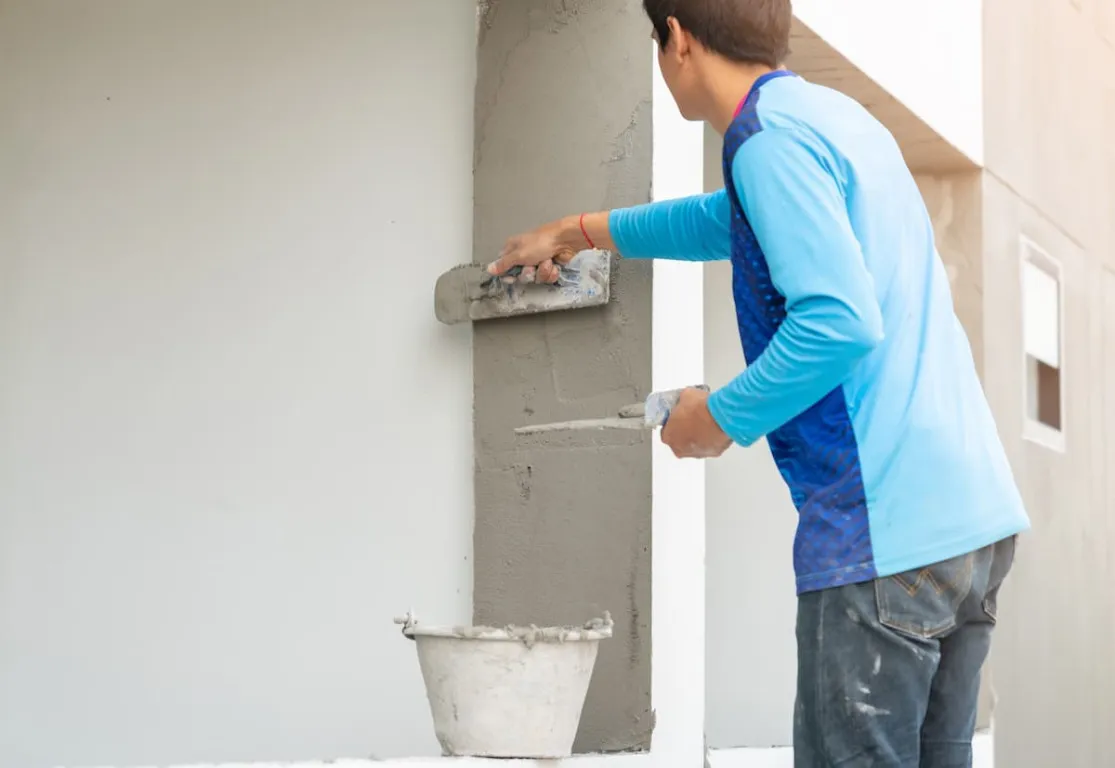
Walls need to be coated with skim coat to create a smoother, more even surface and to seal the pores left by the original plaster. In addition to improving appearance, properly applied skim coat can also reduce the risk of cracking.
To achieve the best results, the cement-to-water ratio must be correct so that the mixture is neither too runny nor too thick when applied. So, how do you apply a skim coat correctly? Read the following explanation in its entirety.
Signs of a Weak Skim Coat Mix
The final result depends on the quality of the skim coat. If the mix or application process is improper, various problems may arise, including cracked walls due to a weak plaster layer.
In addition to cracks, the skim coat can also suffer other damage, such as peeling easily or becoming uneven. Here are some characteristics of suboptimal-quality skim coat.
- Hairline cracks appear on the surface: Skim coat that has just been applied but already shows fine cracks indicates a problem with the mixture or the drying process. This condition usually occurs because the material composition is not appropriate.
- The plaster layer peels off easily: Plaster that doesn't adhere well to the wall will peel off more easily. This problem can arise when the surface is affected by friction, minor impacts, or during painting.
- The wall surface appears uneven: An improperly mixed skim coat can produce a layer that is wavy, rough, or difficult to smooth out. This makes the wall look less neat.
- The skim coat appears mottled: A mixture that isn't thoroughly blended can make the color on the wall surface look uneven. As a result, the final skim coat finish looks less appealing.
- The plaster feels fragile when inspected: If the plaster surface feels fragile or sounds hollow when tapped, the layer is likely not dense enough and has low durability.
These conditions indicate that both the mixture quality and the application process require careful attention. With the right materials and proper application techniques, plaster can produce a stronger, smoother, and more durable wall surface.
How to Apply Skim Coat to Prevent Cracking and Ensure Durability
To make plaster stronger and more durable, you must apply it correctly. Here are some ways to apply skim coat to prevent cracking and ensure durability:
1. Choose the Right Cement for Plastering
Choosing high-quality cement is key to producing strong, durable plaster. Use a high-quality multipurpose cement, such as Semen Merah Putih Watershield, which is suitable for various construction applications, including plastering.
With its water-repellent technology, this cement helps protect against water seepage, resulting in a better finish. Its smooth texture also makes mixing easier while improving adhesion to wall surfaces.
Read also: Knowing the Importance of Concrete Treatment
2. Use the Right Amount of Water
The amount of water in the plaster mixture must be carefully controlled to achieve the right consistency, neither too runny nor too thick. Follow the usage instructions on the cement packaging to ensure the correct mixing ratio and easy application to the wall surface.
Do not add too much water, as a mixture that is too runny can reduce adhesion and make the plaster layer more prone to cracking after it dries.
3. Add Adhesive Agents If Needed
Additives, such as bonding agents, can improve the quality of the mixture. These agents strengthen the bond between the plaster and the wall surface, helping the layer adhere firmly and reducing hairline cracks.
4. Ensure the Mix Is Thoroughly Blended
Make sure you thoroughly blend all ingredients in the skim coat mixture before application. An uneven mix can result in inconsistent skim coat texture, including areas that are too runny or too thick.
This can lead to a less neat finish and make the plaster more prone to cracking. Use a manual or power mixer to ensure a homogeneous mixture and a consistent texture.
5. Clean and Moisturize the Walls Before Plastering
Before plastering, make sure the wall surface is free of dust, oil, dirt, and other debris. A clean surface will help the plaster adhere more firmly.
Additionally, lightly dampen the walls before applying the plaster. This step helps prevent the walls from absorbing water from the mixture too quickly, ensuring a more even drying process and reducing the risk of cracking.
6. Protect the Plaster from Direct Sunlight
After applying the plaster, let it dry slowly. Avoid exposing the wall surface to direct sunlight or strong winds, as this can cause the water in the mixture to evaporate too quickly.
Overly rapid drying can cause uneven shrinkage, making the plaster layer more prone to cracking.
That concludes the information on the proper way to apply skim coat, from selecting the right materials and mixing the solution according to the correct proportions to ensuring the drying process is done properly.
By following these steps, the skim coat will adhere better, be less prone to cracking, and create a neater, more durable wall surface. To ensure optimal plastering results, use Semen Merah Putih Watershield, which features water-repellent technology with triple protection against water seepage from the outside, inside, and the ground.
As a super-premium multipurpose cement, Semen Merah Putih Watershield can be used for a variety of construction needs, including plastering work. Its superior qualities help ensure that buildings remain strong, durable, and require minimal maintenance.
Contact us now for more information about material solutions tailored to your project’s needs. The Semen Merah Putih team is ready to provide the best products and services to support your construction project.