
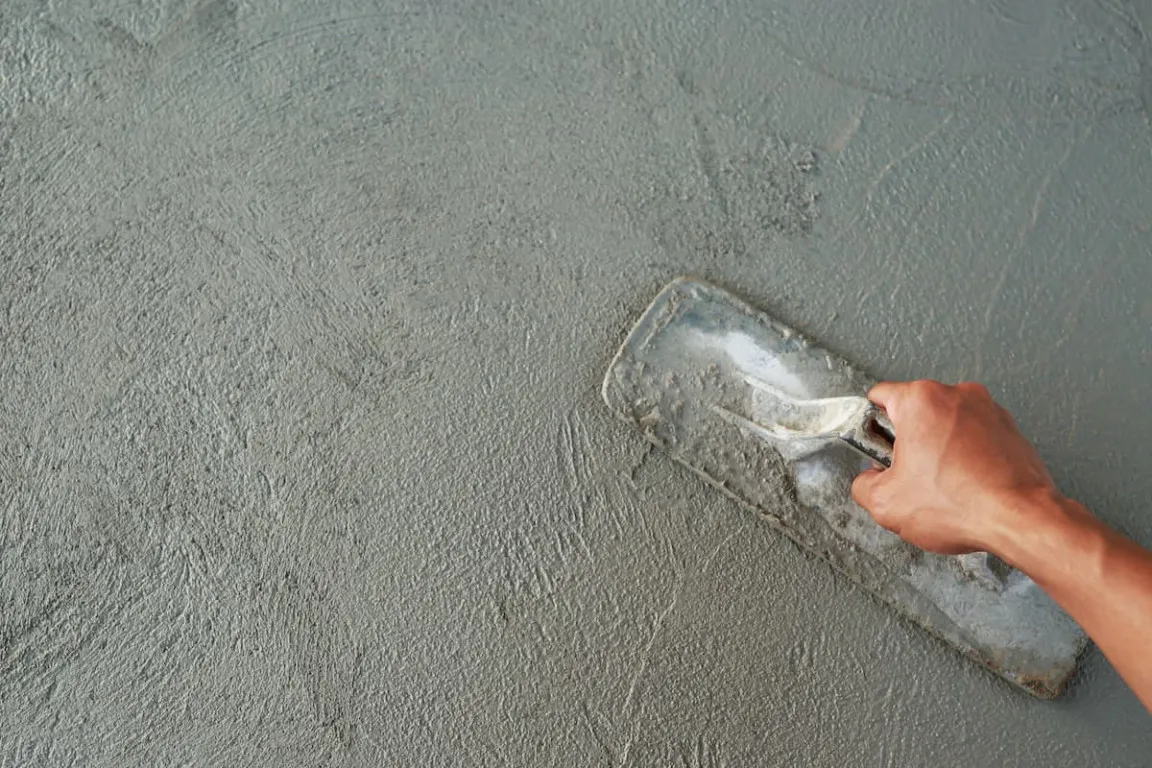
In the process of building a house, the choice of plaster type becomes one of the important factors that affect the strength and durability of the walls. One type of plaster that is often used is trasram plaster.
In this article, you will learn the definition of trasram plaster, its uses, the materials needed, as well as how to make and apply it correctly.
What Is Trasram Plastering?
Trasram plastering is a type of wall plastering that uses a cement mixture with a certain ratio without the addition of lime. Therefore, the resulting trasram plaster mixture is denser and waterproof.
This characteristic makes trasram plastering often used in building areas that require extra protection against water, such as bathrooms, kitchens, laundry areas, and the lower parts of walls (plinths) that are in direct contact with the floor.
Besides interior areas, trasram plastering is also often used on exterior parts that are prone to rainwater or splashes from the outside.
Uses of Trasram Plaster
Trasram plaster has several main functions in building construction. If you plan to use this type of plaster, consider some of its uses.
- Prevents water seepage on walls that experience leakage.
- Protects damp areas, such as bathrooms and kitchens.
- Strengthens wall surfaces to be more durable.
- Helps reduce the risk of black mold (due to moisture).
- Serves as a base layer before the finishing stage.
Using trasram plaster will help prevent long-term damage to building structures. Therefore, it is important to choose the right materials.
Trasram Plastering Materials
To achieve a strong and durable plastering result, you need to choose the right materials because each component plays an important role in determining the final quality of the plaster.
Here are the materials you need to prepare:
- Quality cement.
- Clean sand free of mud.
- Sufficient water.
Make sure all materials are of good quality so that the plastering result is strong. As for the equipment that needs to be prepared, it is:
- Trowel (cement spoon) for applying the mix.
- Bucket or water tub for mixing materials.
- Shovel for stirring the materials.
- Straightedge or aluminum ruler for leveling the surface.
- Waterpass to ensure the wall is even.
- Brush or broom to clean the surface before application.
In addition to achieving better plastering results, the right materials and tools will also make the application process easier.
Read also: 15 Construction Tools and Their Functions, Take Note!
How to Make Trasram Plaster
After the materials are available, the next step is to make the plaster mix with the right composition. It is important to remember that this process needs to be done carefully so that the resulting trasram plaster mixture is more optimal.
First, calculate the cement requirement. Generally, trasram plaster uses a cement-to-sand mixture ratio of about 1:2 or 1:3. This mixture is one of the most commonly used methods for trasram plaster.
Second, mix the materials. The right amount of water and proper mixing technique can ensure the mixture’s consistency meets the standard. Here is how to do it:
- Pour about 8 liters of clean water into a mixing container for every 40 kg of trasram plaster mixture.
- Gradually add the dry mixture into the water.
- Stir evenly until it produces a smooth and consistent texture. Make sure the mix is not too watery or too thick so it can be easily applied later.
The Process of Applying Trasram Plaster
After the mixture is ready, the next stage is to apply the plaster to the wall surface. This process plays a major role in determining the final result, both in terms of strength and neatness. Here are the steps:
1. Prepare the Wall Surface
Before starting to apply the plaster, make sure your wall surface is clean and ready. Clean the wall from dust, dirt, oil, or any remaining materials that may interfere with the plaster's adhesion.
After that, moisten the wall surface sufficiently so that it is not too dry. This process helps the plaster stick better and prevents it from losing moisture too quickly.
2. Make a Plaster Thickness Guide
Before the full application, make a guide or plaster head at several points on the wall. This is to help you determine the reference for plaster thickness. This process needs to be done so that the plaster results remain even and consistent.
3. Apply the Plaster
Once the surface is ready, apply the plaster mixture using a trowel gradually. Start from the bottom to the top or vice versa consistently, then spread the mixture over the entire wall surface.
Make sure the plaster adheres well and is distributed evenly so that no part is too thin or too thick.
Read also: Understanding Wall Plaster Mix, Check the Right Ratio!
4. Level the Plaster
After applying the plaster, immediately level the surface using a straightedge or leveling tool. This process is important to ensure the final wall result is smooth, neat, and free of waves.
Additionally, pay attention to the plaster thickness, and it is recommended to maintain a thickness of around 10–15 mm.
5. Check the Final Result
The next process is to check the final result of the trasram plastering. Make sure there are no wavy or uneven parts. If necessary, perform finishing before the plaster starts to harden.
6. Curing
Finally, after the plaster begins to dry, carry out the curing process to maintain its quality. The method is to regularly sprinkle water on the plaster surface for several days.
Additionally, this process aims to maintain moisture, prevent cracking, and help the plaster harden perfectly.
That is the explanation regarding trasram plaster and its application. The quality of trasram plastering depends not only on the workmanship technique but also on the quality of the cement used. High-quality cement will produce optimal plastering in reducing the risk of water seepage.
Semen Merah Putih is one option you can consider. With guaranteed quality and already meeting the SNI 7604:2014 standard, your plastering results can be more optimal.
One of the Semen Merah Putih products you can rely on is Semen Merah Putih Watershield. Equipped with water-repellent technology with triple protection, this cement can help protect building structures from water seepage.
So, do not hesitate to contact us and consult about the cement needs related to your construction project now.
Read also: The Difference Between Skim Coat and Cement Finishing