As the construction and architecture fields develop, market demand for strong, lightweight, and easy-to-apply building materials is increasing. This has led to the innovation of GRC wall materials.
GRC materials are now very popular and in demand because, in addition to being lightweight and strong, they can be easily applied to various surfaces, including walls, ceilings, and other interior surfaces.
Learn more about GRC materials, their advantages, disadvantages, and types in this article.
What Is GRC Material?
GRC stands for Glassfiber Reinforced Cement. As the name suggests, this material is made from a mixture of sand, cement, water, polymer, and glass fibers (alkali-resistant glass fibers). GRC material was first developed in Russia in the 1940s and became popular worldwide in the 1970s.
GRC material has high impact resistance, is sturdy, lightweight, fire-resistant, water-resistant, and does not absorb moisture. Besides being highly suitable for building construction, this material is also popular because it is more environmentally friendly.
The composition of GRC requires less cement and uses more recycled materials, which is one of its advantages, as it is more environmentally friendly.
There are two primary methods of GRC manufacturing, namely spray-up and premix. The spray-up method is a technique for manufacturing GRC on-site at the project location using a spray gun and mold to customize as needed.
The spray gun used is specially equipped with a fiber chopper that continuously cuts glass fibers and mixes them into the concrete mixture. This method is usually applied for large-scale projects that require special custom shapes.
On the other hand, the premix process is a method of manufacturing GRC sheets by pouring a premixed material into a mold. The premix method is carried out in a factory with standardized sizes, and the final product is sold in building supply stores.
Read also: 10+ Types of House Building Materials & How to Choose Them
Types of GRC Materials
The high demand for GRC materials has led to a wide variety of types available to suit different needs. Some of these are:
1. GRC Board
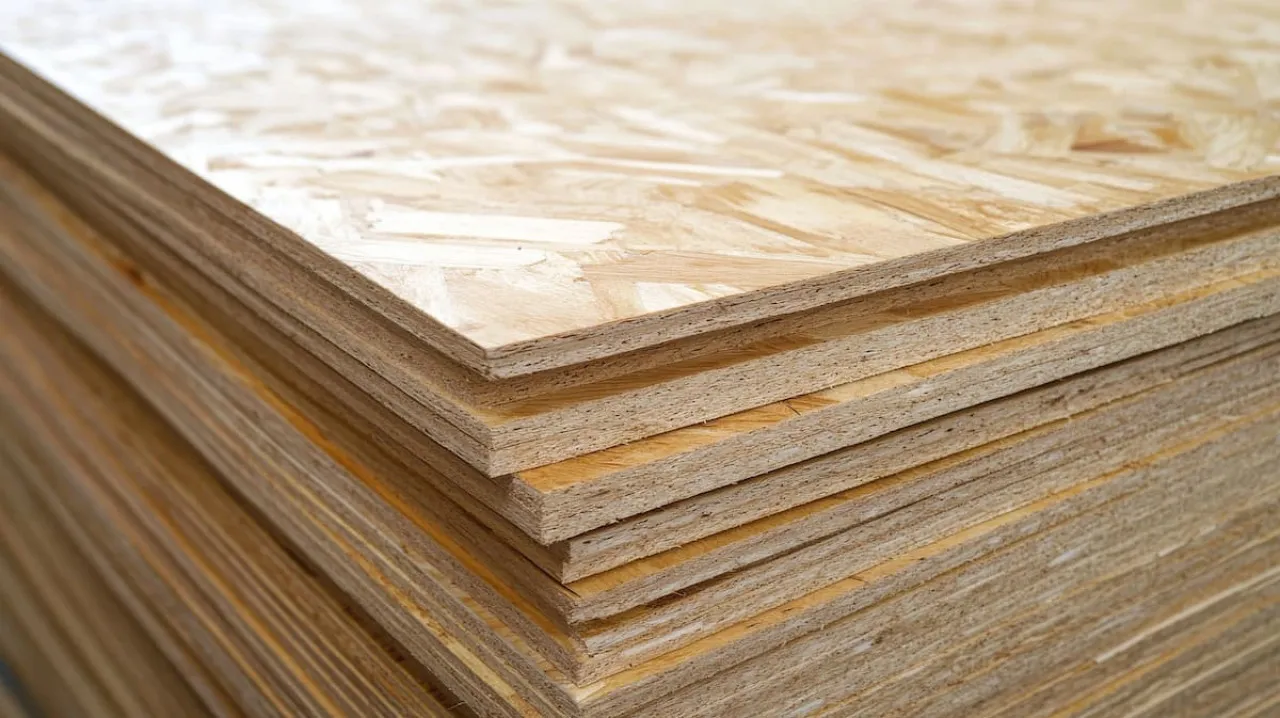
GRC board is the most common type of material found in building supply stores and used in construction. It has various advantages, including resistance to extreme weather, mold, and termites, as well as a smooth surface.
GRC board is typically used for room partitions, exterior wall cladding, and building ceilings. This material typically has a thickness of 6-12mm and dimensions of 1.2m x 2.4m or 1.2 x 2.4m.
2. GRC Wall Panel
Just like GRC boards, GRC wall panels are commonly available at building supply stores for construction needs. GRC wall panels are usually larger and thicker than regular boards and are used for facades, decorative panels, or exterior walls.
3. GRC Floor
Furthermore, GRC is a commonly used flooring material that offers greater weight resistance. GRC floor material is typically applied to mezzanine floors in multi-story buildings or additional floors for renovations. GRC floors are usually 15-20 mm thick, with a standard sheet size of 1.4 m x 2.4 m.
Advantages of GRC Wall Material
Many people choose GRC as a construction material because of its several advantages. The advantages of GRC wall material are as follows:
1. Strong
The composition of GRC, which consists of cement and glass fiber, makes this material more impact-resistant and load-bearing. Although the density of GRC boards is similar to that of ordinary concrete, GRC panels can be made much thinner, making them 80% lighter than conventional concrete while still offering excellent strength.
2. Versatile
In addition to being lightweight and strong, GRC is also a versatile material that can be modified to suit your needs. Since it does not require steel or other supporting components, GRC can be created in any desired design and size. Additionally, there are also various types of GRC finishes with diverse textures, colors, and surface details.
3. Durable and Fire Resistant
Unlike conventional concrete, GRC walls are not prone to corrosion, making them more durable. Furthermore, this material does not require special maintenance and can be formulated with other coating materials to provide additional resistance to weather, sound, fire, chemicals, and impact.
4. Environmentally Friendly
Compared to conventional concrete, the production of GRC panels requires less energy and raw materials. GRC is also often made using recycled materials, making it more environmentally friendly.
Read also: Skim Coating vs. Plastering: Find Out How to Apply Them!
Disadvantages of GRC Wall Materials
Despite its many advantages, GRC also has several disadvantages, including:
1. Requires Special Cutting Tools
GRC can be cut using a saw, but the results will be rough and less precise. Therefore, GRC is usually cut using a ceramic cutting machine or a grinder.
2. Cannot Be Reshaped Once Installed
Like other boards, GRC material installed cannot be reshaped, so it must be designed and measured precisely before installation.
3. More Expensive for Custom Orders
In large-scale construction projects that require custom GRC, the price will certainly be higher than that of market boards. However, the price paid is still comparable to the desired results.
GRC Wall Material Prices
In addition to being strong, practical, lightweight, and versatile, GRC is also more affordable compared to cement and brick walls. The following are estimated prices per sheet of GRC:
- A sheet measuring 1.2 m x 2.4 m with a thickness of 4 mm costs between IDR 55,000 and IDR 70,000.
- Size 1.2 m x 2.4 m with a thickness of 6 mm costs IDR 80,000–IDR 100,000.
- Size 1.2 m x 2.4 m with a thickness of 8 mm costs IDR 110,000–IDR 130,000.
- The 1.2 m x 2.4 m size with a thickness of 10 mm is priced at IDR 140,000–IDR 160,000.
- Finished GRC boards with a thickness of 6-8 mm are priced at IDR 180,000–IDR 250,000.
That concludes the information on GRC materials, including their types, advantages, disadvantages, and prices. For those currently working on a construction project, selecting high-quality and suitable materials is crucial.
One of these choices is selecting cement as the main foundation for your building. For this, you can choose high-quality cement like Semen Merah Putih Watershield, which can be used for various building applications, from foundations, concrete slabs, castings, brickwork, plastering, to rendering.
So, what are you waiting for? Contact us now for more information about Semen Merah Putih products and get the best solutions for your construction project!
Read also: Guide to Ideal Ceiling Height for a More Proportional Home