
Durable building construction involves the proper use of raw construction materials. These are the fundamental materials that provide strength and protection against various conditions, such as hot weather, rain, and strong winds.
Hence, choosing raw construction materials cannot be done carelessly, as their quality, durability, and safety will determine the results. Then, what are common raw building materials, and what are their functions? Check out the article below to better choose the types of raw materials for your building!
What Are Building Materials?
Building materials are basic materials used to form and arrange a construction, including a house or other types of buildings. Most of these materials originate from nature, such as wood, stones, sand, and clay. Nevertheless, synthetic materials made by humans are also now available.
The quality of building materials determines the strength and durability of buildings under various conditions, such as rain, hot weather, and strong winds. Therefore, choosing the right building materials helps realize durable, strong, and well-built structures.
Types of Raw Materials for Buildings
Each building material has its own function that complements the others to ensure a strong, durable structure. These are examples of raw building materials for construction:
1. Cement
Cement is the most essential material in construction. It serves as an adhesive for steel, plaster, or other building materials. This material is made of a mixture of lime, alumina, silica, iron oxide, alkali, and magnesium oxide.
Even though cement can be used on its own, it’s more often mixed with other materials. For stronger adhesion and a more durable structure, choose the best-quality cement.
2. Gravel
Gravel is a building material composed of small stones ranging from 2 mm to 75 mm. They are typically mixed with cement and sand. The mixture is used to form complex, durable structures, such as foundations and walls. For strong results, use gravels that are typically hard-textured, not brittle, of even size, and free of excess sand and soil.
Read more: 5 Types of Building Materials for Outdoor Flooring
3. Clay
Clay is a raw material typically used to make bricks, roofs, and ceramics. It’s resistant to extreme heat, which helps prevent the formation of fissures in building structures.
4. Aluminum
Aluminum is often used for roof, window, door, and partition frames. This material is lightweight, corrosion-resistant, flexible in design, and highly resistant to extreme weather. Therefore, aluminum is suitable in various environments.
5. Glass
Glass is commonly used for windows, doors, and partitions. It is transparent, allowing natural light to enter the room and creating a brighter, larger impression.
The types vary, including strong tempered glass, which is impact-resistant, and laminated glass, which is safer since it does not break easily.
6. Roofs
Roofs serve as the ceilings that protect the building from hot weather and rain. The types vary, including clay roofs that help keep the house cooler in the afternoon, and roofs made of steel, aluminum, or zinc, which are resistant to corrosion and more long-lasting.
7. Ceramics
Ceramics are often used as flooring and are available in various designs, patterns, and colors that can be adjusted to suit the building's style. In addition to their aesthetic value, ceramics do not wear out easily and are resistant to scratches and stains. These extend its lifespan, even when installed in outdoor environments with water exposure.
8. Nails
Nails connect or lock other materials, such as wood or bamboo. Nails are available in a variety of sizes and types based on the construction needs.
9. Bamboo
Bamboo is strong and easy to process, similar to wood. Aside from its functionality, bamboo creates an ethnic, natural aesthetic that suits traditional-style buildings.
Read more: Earthquake-Resistant Building Materials
10. Wood
Wood is almost always used in construction, including roof and wall frames, doors, and many other applications. Wood is flexible and can be formed and styled for construction needs.
11. Steel Bars
Steel bars serve as structural bones, providing additional strength and stability to building elements such as pillars and walls. They help steel withstand pressure and stretching when it is loaded.
12. Sand
Sand is almost always used in construction. This raw material is used for various purposes, such as in steel mixtures, concrete blocks, and plaster, which provide buildings with strength and durability.
13. Stones
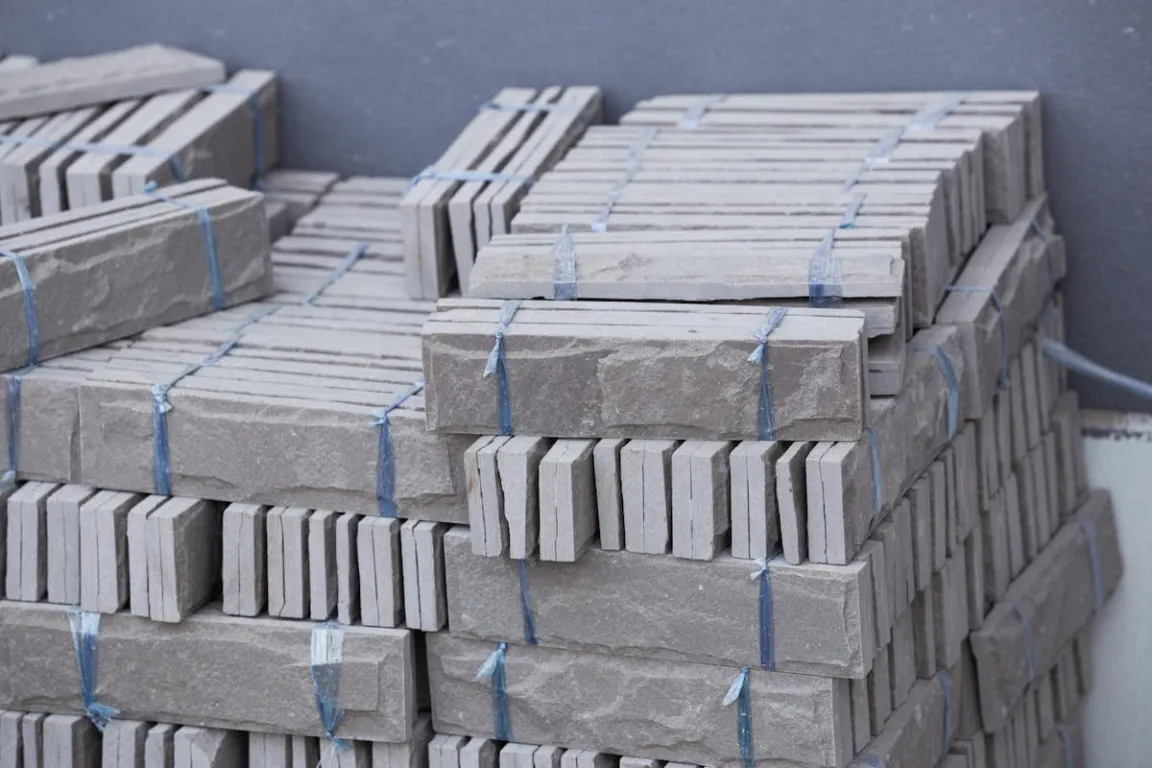
Stones are strong and durable and are used for various building structures, such as flooring and walls, as well as decorative elements. Choose durable stones for stability and long-lasting construction.
14. Straw Bale
Straw bale is a traditional material that is now gaining popularity for its use in classic and environmentally friendly buildings. It can be used as an alternative to bricks, gypsum, or wood. Straw bales offer good thermal insulation and are now available at a reasonable price.
15. Bricks
Bricks are one of the most commonly used building materials in Indonesia. Bricks are made of burnt clay. This material is strong, able to support heavy loads, and provides good thermal insulation to maintain building temperature. Bricks are typically used for walls, foundations, and flooring, depending on construction needs.
Tips for Choosing Raw Building Materials
After reading about various types of building materials, it is also important to understand how to choose the right materials for strong, durable buildings. Here are the tips:
- Opt for quality materials: Ensure they have high strength and safety ratings for long-lasting support under weight.
- Choose trusted, all-round shops: Shop at trusted, all-round shops to meet your needs, and do not forget to check reviews and product specifications beforehand.
- Adjust to your budget: Opt for materials at a reasonable price and quality for long-term safety investment.
- Consider your environment: Use materials that are resistant to climate change, moisture, and the risk of disasters in your local area for effective building maintenance.
This concludes the explanation related to the types and functions of building materials. Selecting appropriate materials determines a building's strength and durability.
One of the listed materials is cement, which plays a vital role in almost every construction phase.
In this case, you can opt for Semen Merah Putih Watershield, a premium multipurpose cement featuring water-repellent technology for extra protection against water leakage.
This cement is suitable for various purposes, ranging from mixing mortar and plaster to brick installation, column mixing, and flooring or ceiling mixing.
Do you want to get more information about the Semen Merah Putih products? Contact us now and get the best solution for your construction project.
Read more: 10 Sustainable Building Materials for Green Constructions