
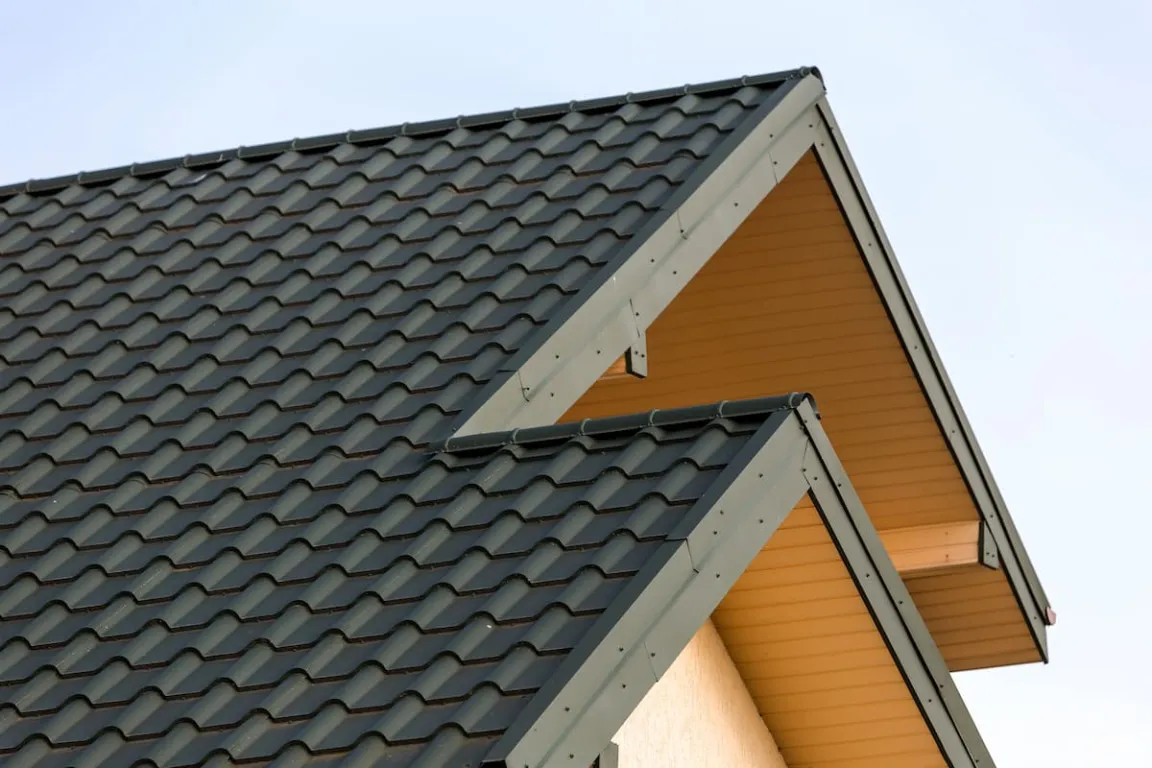
Choosing the right house roof type is not just about the building’s aesthetics, but also about comfort and weather resistance. Each material offers different characteristics, ranging from heat insulation to weight, which affects the requirements for the supporting structure.
To avoid the wrong choice, understand each material's characteristics before building or renovating your house. Learn about the following roof types and tips for choosing them in the review below.
Understanding Types of Roof Materials
Various roof material options can be tailored to a building’s design, environmental conditions, and budget. Here are some commonly used types along with their characteristics:
1. Clay Tile Roofs
Clay tiles are made from clay that is molded and fired until hardened. This material is widely used in houses in Indonesia because it is easy to find and has a classic look.
Its advantages include good heat resistance and availability in various shapes. However, clay roof tiles are relatively heavy and can shift or break if installed improperly.
2. Concrete Tile Roofs
Concrete tiles are made from a mixture of cement, sand, and water, formed as needed. This material is relatively heavy but offers good strength and durability when properly manufactured and installed.
This option suits a variety of designs, including modern homes. Make sure the roof frame is designed to support the weight of the tiles and any additional loads.
3. Ceramic Tile Roofs
Ceramic tiles are made from clay fired at high temperatures and are typically glazed. The glaze provides a glossy finish while protecting the tile’s surface.
This material has an elegant appearance and can last for many years with proper installation and maintenance. However, it is relatively expensive, and you must account for its weight when designing the roof structure.
4. Asbestos Roofs
Asbestos roofs are known as corrugated sheets that are still commonly used because they are relatively affordable. However, asbestos-containing materials pose health risks if fibers are released and inhaled.
The World Health Organization states that all types of asbestos can cause cancer in humans. Therefore, consider safer alternatives for new installations. If an old roof may contain asbestos, avoid cutting, drilling, or removing it yourself.
5. Metal Roofs
Metal roofs are made of metal sheets designed to cover buildings. This material is relatively lightweight, reducing the roof load compared to many conventional roof tiles.
Installation is also generally practical. However, metal roofs can conduct heat and make noise during rain if they lack a proper insulation system.
Read also: Roof Flashing: A Solution for Protecting Roof Joints
6. Multiroof
Multiroof generally refers to metal roof materials shaped to resemble roof tiles and may feature a protective coating or a sand-textured finish, depending on the product.
They resemble conventional roof tiles but are relatively lightweight. This material suits modern houses that need a tile-like look without the weight of traditional materials. Check the product specifications for corrosion resistance and maintenance requirements.
7. PVC Roof
PVC roofs are made from polyvinyl chloride formed into roofing sheets. This material is relatively lightweight, moisture-resistant, and does not corrode like metal.
Some products have a hollow structure to help reduce heat and sound transmission. However, these capabilities depend on the selected product's design and specifications.
8. Spandex Roof
Spandex roofs are generally made of steel coated with an aluminum-zinc alloy, with the composition varying by product type. The sheet shapes make them easy to install on various structures, including houses, garages, and canopies.
They are relatively lightweight, and the long sheets can reduce the number of seams. However, this material tends to conduct heat and rain sound, so insulation layers may be worth considering.
9. Glass Roofs
Glass roofs let natural light into a room. This material is often used in specific areas, such as indoor gardens, living rooms, or hallways, to create a brighter atmosphere.
For safety, use glass suitable for roof applications, such as laminated glass or other types recommended based on technical calculations. Also consider the framing system, watertight joints, and potential increases in indoor temperature.
10. Polycarbonate Roofs
Polycarbonate is a thermoplastic material available in both transparent and colored sheets. This material is relatively lightweight and transmits light, making it suitable for canopies, patios, or portions of a house roof.
Compared to regular glass, polycarbonate offers good impact resistance. However, the level of protection against heat, ultraviolet rays, and discoloration depends on the type and protective coating of the product.
Read also: 10+ Comfortable and Minimalist Modern Homes Designs
Tips for Choosing the Right Type of Roof for Your Home
Now that you know the various material options, consider the following factors to ensure the roof meets your building’s needs:
1. Adapt to the Climate
Choose a material that can withstand your area's weather conditions. For regions with high rainfall, pay attention to the roof pitch, joint systems, and rainwater drainage to minimize the risk of leaks.
2. Consider Rain Noise
Metal roofs can produce louder sounds when exposed to rain. If acoustic comfort is a priority, consider using appropriate sound-dampening materials.
3. Consider Heat Reduction Capabilities
Roof materials, color, ventilation, and insulation layers affect indoor temperature. Choose a combination that suits your needs to keep the space comfortable, especially during the day.
4. Match the Roof to Your House Concept
Clay tiles suit a classic look, while metal and spandek roofs can complement modern designs. Glass or polycarbonate roofs can add accents to maximize natural light.
5. Fit Your Budget
Calculate the costs of materials, frames, installation, accessories, and long-term maintenance. Don't compare only initial prices, since structural requirements and maintenance costs can vary by roof type.
Read also: 10 Modern and Durable Concrete Flat-Roof House Designs
Improve Construction Quality with Semen Merah Putih Watershield
Choosing the right roof type for your house needs to be paired with good construction planning to ensure a more comfortable, durable building. Besides the roof system, you must also consider the quality of the foundation, walls, and concrete slab to protect the house from water seepage.
To meet these needs, Semen Merah Putih Watershield is a super-premium multipurpose cement that can be applied to various construction projects, from foundations and concrete slabs to concrete pouring, bricklaying, plastering, and finishing.
Equipped with water-repellent technology, Semen Merah Putih Watershield provides protection against seepage from three sources: the exterior, the interior, and the ground. This protection maintains building durability, reduces moisture damage, and minimizes maintenance needs.
To learn more about products and construction solutions suitable for your project, contact the Semen Merah Putih team. We are ready to help you select the right materials and provide the appropriate service support to ensure your project’s success.
Read also: 9 House Rooftop Recommendations and Tips to Make Them