
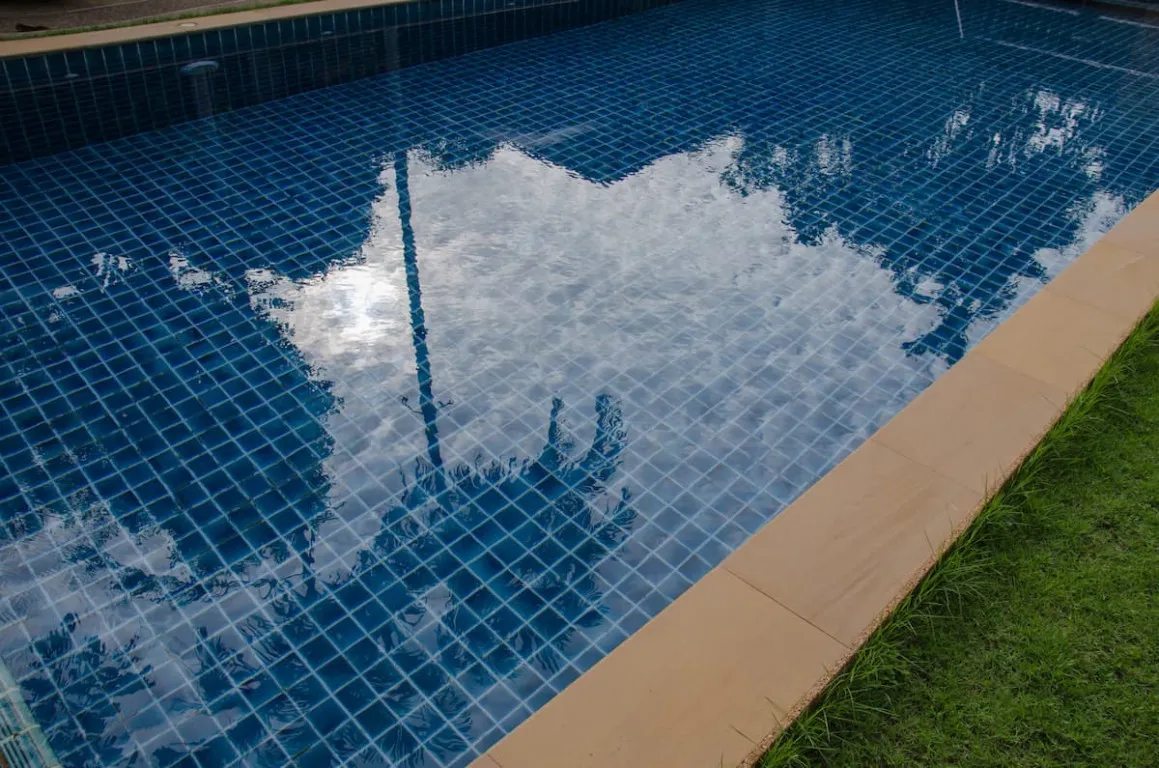
The swimming pool structure must be able to withstand constant water pressure. Additionally, a waterproof coating must be applied to the concrete or cement surface to prevent seepage and leaks in the future. That is why swimming pool waterproofing is a crucial step in the construction process that must not be overlooked.
Although concrete structures are quite strong, the use of the right waterproofing materials and accurate workmanship is still necessary to ensure optimal results and safety. The investment required to build a swimming pool is certainly quite costly.
Without a proper waterproofing system, the risk of damage and repair costs can be significantly higher. Therefore, understanding how to waterproof a swimming pool to ensure it is safe and leak-free is essential knowledge before using the pool. Read the full explanation to ensure your swimming pool remains durable and leak-free.
How to Waterproof a Swimming Pool
Swimming pools are generally made of concrete, which is strong enough to hold water. However, without the right waterproofing coating and careful workmanship, the risk of seepage and leaks can still occur.
Therefore, the process of waterproofing a swimming pool must be done correctly to ensure optimal and long-lasting results. Here are some key considerations for waterproofing a swimming pool:
1. Choose the Right Waterproofing Product
The first step in waterproofing a swimming pool is to select a product that suits the pool’s needs. The type and the materials specification must be tailored to your pool conditions. One commonly used option is a waterproofing coating, as its application is similar to painting, making it more practical.
2. Clean the Pool Surface
Before applying the coating, ensure the entire pool surface is completely clean. Use a damp cloth or sponge, and if necessary, spray hard-to-reach crevices to ensure no dirt remains.
3. Thoroughly Dry the Surface
After cleaning, let the pool surface dry completely first. This process usually takes about 1–3 hours, depending on weather conditions, to ensure the coating adheres properly.
4. Apply the First Coat
Apply the waterproofing to the pool walls and floor using a roller or brush. Apply at least two coats for optimal protection.
5. Proceed with the Second Coat
The next coat can be applied once the first coat is sufficiently dry, following the product instructions. For corners or specific areas requiring extra protection, the coating may be applied up to three times.
6. Conduct Screeding
Screeding should be done before waterproofing to level the surface and ensure the proper slope. This step helps ensure that the waterproofing layer adheres optimally, resulting in maximum effectiveness and long-lasting results.
Read also: Concrete Slab Waterproofing: Definition, Types, and Benefits
Why Is Waterproofing Important?
Pool waterproofing is not just an accessory but a crucial component for maintaining the pool’s functionality and durability over the long term. Here are the reasons why waterproofing is essential for a swimming pool:
1. Maintaining Stable Water Quality
A leaking pool can lead to chemical depletion or groundwater contamination, thereby reducing water quality. Waterproofing helps keep the water clean and stable, reducing the need for frequent water changes or excessive chemical usage.
2. Protecting the Building Structure
Unchecked water seepage can cause cracks in the foundation and walls, wood rot, and metal corrosion. A waterproof coating helps maintain the structural integrity of the pool, ensuring it remains strong and safe over the long term.
3. Reducing Maintenance Costs
By preventing leaks and other water-related issues, maintenance costs, such as structural repairs, water replacement, or filtration system repairs, can be minimized. Overall, waterproofing is a crucial investment for maintaining the structural integrity, water quality, and cost efficiency of your swimming pool maintenance.
Read also: How to Treat Damp Walls, Easy and Efficient Steps!
Things to Consider When Waterproofing a Swimming Pool
To ensure optimal waterproofing results and avoid future problems, there are several important things you need to consider before and during the process, as follows:
- Check the concrete condition first: Ensure that there are no cracks or honeycomb defects in the concrete, as these can compromise structural strength. The surface must also be free of dust, oil, and dirt to ensure strong adhesion.
- Use high-quality waterproofing products: Choose products that are easy to apply, flexible, resistant to water pressure, and non-toxic. Cement-based products can be used for swimming pools and even drinking water tanks because they are safe and designed for high water pressure.
- Apply before tile installation: Follow the mixing and application instructions carefully to ensure an even finish. After applying it to the concrete surface, wait until it is completely dry before proceeding to the next step.
- Conduct a leak test: Even though the product promises to be waterproof, still perform a test by flooding the pool for several days or weeks. This method helps ensure there are no leaks before using the pool.
How to Fix a Leaking Swimming Pool
As discussed earlier, waterproofing is the primary step to prevent leaks. Therefore, using the best waterproofing from the start is crucial to avoid frequent repairs.
High-quality materials can help save time and money by reducing the risk of recurring leaks. However, if the pool is already leaking, here are some steps you can take depending on the extent of the damage:
- Replacing half the concrete: If the leak is severe or the source is difficult to locate, part of the structure must be demolished and recast. The cost is quite high, but the results are worth it because the pool will be restored to like-new condition.
- Using the injection method: For rooftop or upper-floor pools, leaks can be addressed by injecting a special paste into the leak points without draining the water first.
- Replacing the tile grout: If the leak is still minor, simply replace the damaged grout without dismantling the entire section. This method is more efficient, though its durability may be limited since it uses the existing tiles. Ensure you choose grout with high-quality waterproofing properties for longer-lasting results.
That is the overview of how to waterproof a swimming pool to ensure safety and prevent leaks. In addition to proper application techniques, material selection plays a significant role in preventing seepage and maintaining structural integrity over the long term.
For optimal results, you can choose high-quality products, such as Semen Merah Putih Watershield, which features water-repellent technology with triple protection against water seepage from the outside, inside, and soil capillary action. It is suitable for various applications, including concrete slabs, foundations, cast-in-place concrete, plastering, and finishing.
Not only that, Semen Merah Putih has earned the PLATINUM rating from the Green Product Council Indonesia (GPCI) due to its environmentally friendly formula and innovative technology that reduces carbon emissions without compromising strength and durability. For structural needs requiring high compressive strength, Semen Merah Putih FLEXIPLUS, certified with the Gold Green Label Indonesia (GLI), is also available.
So, if you are building or renovating a swimming pool, choose high-quality cement for stronger, longer-lasting, and safer results. Contact us now and discover the best construction solutions for your project.
Read also: 9 Small Pool Design Inspirations For a Minimalist Backyard