
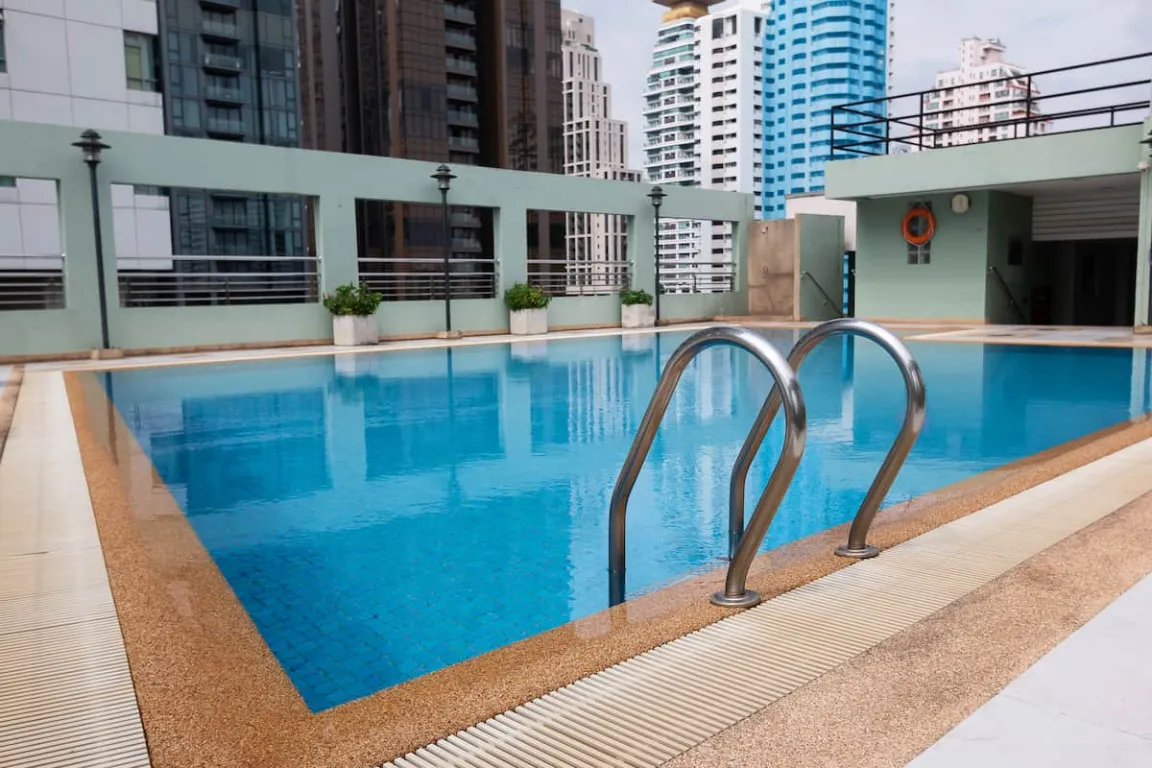
Swimming pools often attract attention because of their shape, color, and appealing design. Their appearance is truly pleasing to the eye, but what really determines the pool's durability is its structure.
This principle is similar to the house renovation process, where the foundation and supports must be carefully planned to ensure a strong and long-lasting result.
A solid structure makes the pool more durable, reduces the risk of leaks, and prevents future damage.
If the structure is designed correctly, the pool will be much safer and more comfortable to use. To better understand swimming pool structures, read this article to the end.
Main Functions of Swimming Pool Structure
The structure of a pool not only determines its strength but also ensures its safety for use. Having a proper swimming pool structure can prevent damage, withstand water pressure, and enhance the comfort and beauty of the pool. Here is the explanation:
1. Avoiding Leaks and Early Damage
A swimming pool can last a long time if built with strong materials, standard-quality concrete mix, and properly applied waterproofing. All these steps help the pool remain sturdy even with daily use.
On the other hand, an inadequate structure will cause the pool to develop problems faster. Leaks or damage can appear quickly, making maintenance difficult and increasing repair costs for the owner.
2. Supporting Water Pressure and Daily Use
The water in the pool exerts a very large pressure. For example, one cubic meter of water weighs about one ton. The deeper the pool water, the greater the pressure on the pool walls.
Therefore, the pool structure must be made really strong to safely withstand that load.
Read also: Simple Guide to Calculating the Area of a 2-Story Building
3. Enhancing Aesthetic Value and Comfort
A properly constructed structure helps the pool's overall shape look neat and comfortable to use. The arrangement of the floor, walls, and proper water flow makes the pool feel more comfortable to use and appear more visually appealing.
Swimming Pool Construction Standards
Every stage of construction must comply with proper construction standards, from land grading to the strength of the pool foundation. Here are some important aspects to consider:
1. Land Area
Each type of pool has its own size. For swimming pools, the smallest size generally considered acceptable is around 3 m x 7 m. This small pool size is deemed sufficient to provide ample space, allowing swimming activities to take place more comfortably without feeling cramped.
2. Foundation
The basic structure of a swimming pool usually uses steel with a diameter of 8 mm to 19 mm. The selection of steel size needs to be adjusted to the total load of the pool so that the framework can withstand water pressure properly.
The concrete used also has certain quality standards, namely K300 or K250. These numbers indicate the concrete's ability to withstand pressure per square centimeter, ensuring that the construction remains strong and safe.
For private swimming pools, the foundation footing size is generally 60 cm x 60 cm with a thickness of 20 cm. If the pool is intended for public use or equivalent to Olympic size, the foundation is made larger, around 1 m x 1 m, with a thickness of 0.35 m to make the structure more sturdy.
Stages of Swimming Pool Structure Construction
To ensure that the swimming pool structure is sturdy and safe, the construction process must follow the correct work sequence.
From initial preparation to the final finishing installation stage, each step plays an important role in determining the quality of the pool. Here are the stages generally carried out in building a swimming pool:
1. Land Preparation and Design Planning
The initial stage is selecting the area to be used, then determining the size and shape of the pond according to needs. After that, a working drawing is prepared as a guide to ensure the field construction proceeds according to plan.
Read also: Retaining Walls: Functions, Types, & Ideal Material Solutions
2. Construction of the Pool Substructure
The pool base functions as the most critical part in determining the strength of the building. At this stage, bore piles are installed, pile caps are constructed, and the working floor is laid. This process ensures that the pool base can safely withstand water pressure.
3. Construction of the Pool Superstructure
Once the foundation is fully ready, the work proceeds to the structural reinforcement phase. In this stage, the beam (sloof) is installed first as a support for the base.
After that, the steel framework for the walls is assembled. Then, the pool floor is poured with concrete to ensure that the entire structure is solidly integrated. This series of tasks determines the sturdiness of the walls and forms the overall shape of the swimming pool.
4. Waterproofing and Finishing
Once the main structure is completed, the process continues to the finishing stage. At this stage, waterproofing is installed to prevent leaks and ensure the pool remains strong enough to withstand water pressure.
5. Installation of Mosaic or Finishing Stone
Mosaic tiles or natural stones can enhance the pool's appearance. In addition, these materials make the pool surface more resistant to water and chemicals, helping prevent rapid deterioration.
6. Pool Water Circulation System
Water circulation plays a major role in keeping the pool clean. The system used, whether skimmer, overflow, or semi-overflow, needs to be chosen according to the land conditions and the needs of the people who will use the pool.
That is an explanation regarding the swimming pool structure, from its main functions to the stages of constructing the pool structure. By understanding each process, you can see how a pool is designed to be strong, safe, and comfortable to use.
Choosing the right building materials greatly affects the strength and durability of the structure when constructing a swimming pool.
To ensure the construction is truly solid, you might consider using high-quality materials from Beton Merah Putih, a brand of Semen Merah Putih.
The product range is quite comprehensive. There is Ready Mix Concrete, Precast Concrete, and aggregates designed to meet the needs of modern construction.
Whether for a swimming pool in your home's surroundings or larger-scale projects, each product is made to be strong, durable, and meet established quality standards.
If you want recommendations on the materials that best suit your needs, you can contact us immediately.
With the right guidance and the best materials, building your dream swimming pool can be done more safely and reliably.
Read also: Semi-Permanent Houses: Definitions, Materials, and Examples