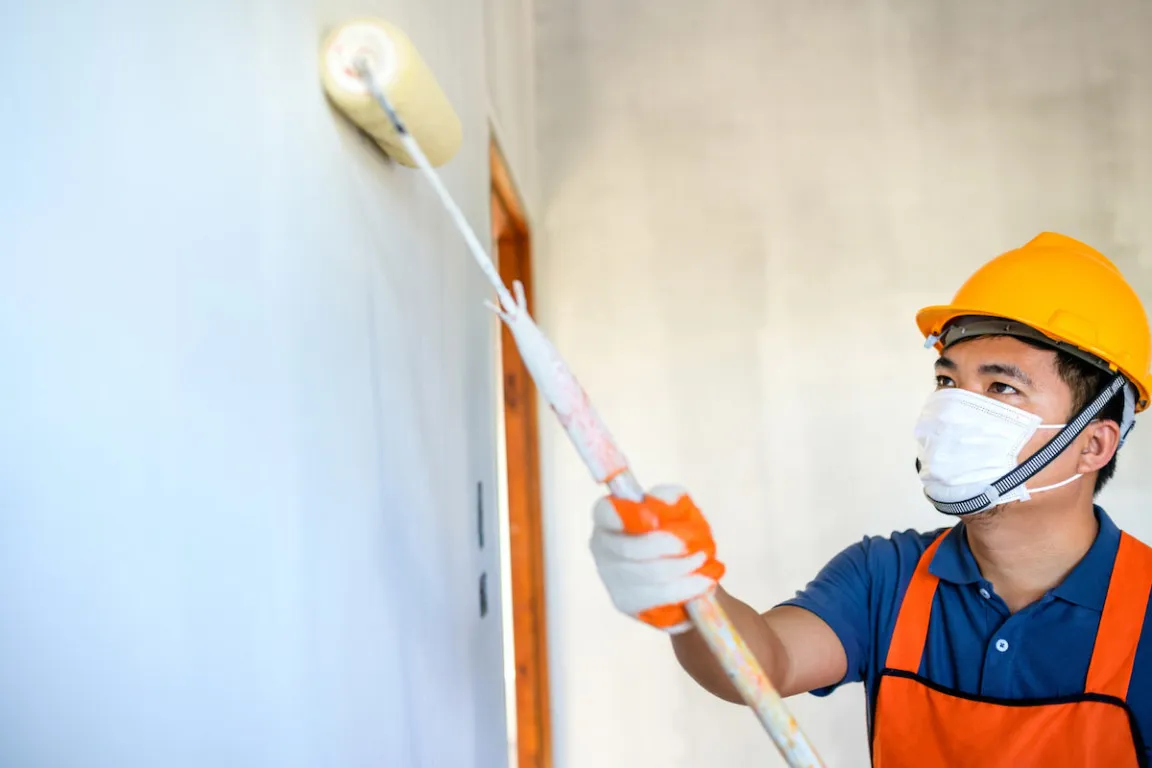
Waterproofing coating can be an option for protecting building surfaces from seepage-related problems.
This waterproof layer can be an effective way to treat damp walls and decay. To fully understand waterproofing coating, read the article below, which covers its functions and application tips.
What Is Waterproofing Coating?
Waterproofing coating is the process of applying a water-resistant layer to various parts of a building, including floors, walls, and the roof.
Thus, the building structure can be better protected from leaks, moisture, corrosion, and decay. This coating reduces the risk of damage, making the building more durable.
Functions of Waterproofing Coating
As previously mentioned, a waterproofing coating can help ensure that parts of the building are watertight. Furthermore, the functions of the waterproofing coating are as follows:
- Resisting rainwater or soil from leaking into the house.
- Helping prevent damage to walls, ceilings, floors, and building interiors, including from concrete, wood, or metal materials, due to moisture, water seepage, or flooding.
- Preventing corrosion from water, damp conditions, or exposure to chemicals and salts on metal or steel in buildings.
- Maintaining the quality and strength of the building structure.
- Keeping building surfaces drier to prevent mold and termite growth, which thrive in damp areas.
- Extending the building's lifespan by using waterproof materials that prevent various risks of damage.
- Reducing long-term repair and maintenance costs.
- Protecting against exposure to UV rays and rainwater that can fade paint or cause layers to peel.
- Maintaining the building's appearance to remain aesthetic.
- Creating indoor conditions that are more comfortable and free from leaks and other problems.
Read also: 5 Things to Do for Achieving Durable Cement Wall
Types of Waterproofing Coating
To make it watertight, pay attention to the materials used when applying the waterproofing coating. Based on the materials, here are three types of waterproofing coatings that can be chosen:
1. Acrylic Polymer-Based Waterproofing
First, there is acrylic polymer-based waterproofing, which is made by combining paste and thinner. This material is usually used for open areas, such as building side walls and roofs.
To apply this coating, you only need to mix the paste and thinner first.
2. Waterproofing Cement Base
Waterproofing a cement base refers to using cement as the primary material. Cement is known to be more durable, making it suitable for areas at high risk of water exposure, such as bathrooms and swimming pools.
Before application, add water to the cement base in the correct proportion, as per the guidelines, to prevent cracking of the layer.
3. Solvent-Based Waterproofing
Lastly, you can use solvent-based waterproofing, which comes in liquid form. Compared to acrylic, solvent-based materials provide a more durable coating that is resistant to heat and scratches.
This waterproofing coating can be applied manually or with a spray to serve as a protective layer or membrane.
Advantages of Waterproofing Coating
As a water-resistant building coating, waterproofing coating provides various advantages, including:
- Does not add weight to the upper floors of the building.
- Already formulated with measured quantities, packaged.
- Allows application in hard-to-reach corners, on smooth or rough surfaces, in both exposed and non-exposed areas, and even in rooms with a higher risk of water exposure.
- Made from natural and sustainable materials.
- Capable of preventing small cracks on surfaces.
- Has a shorter drying time compared to other methods, making the application process faster.
Read also: 5 Causes and Ways to Overcome Damp Walls, Worth a Try!
Differences Between Waterproofing Coating and Waterproofing Membrane
Waterproofing coating and waterproofing membrane are building waterproof coatings.
However, waterproofing membranes require high durability and are therefore preferred for roofs, building foundations, and underground structures.
Furthermore, some differences between waterproofing coating and waterproofing membrane are as follows:
- Coating is water-based, while the membrane uses sheets of bitumen, PVC, TPO, or EPDM.
- Coating is applied with a brush or roller, while the membrane can be installed by heat or adhesive methods.
- The coating is flexible and suitable for preventing small cracks. Meanwhile, membranes tend to be less flexible in that regard.
- The coating's tensile strength is not very high without an additional layer, whereas membranes do not require it, as it is generally part of the product.
- Coating is better suited to areas with a lot of detailing, while membrane is better suited for flat surfaces.
Tips for Applying Waterproofing Coating
After understanding the functions and advantages of waterproofing coating, follow these application tips:
- Prepare all the necessary tools, including brushes, rollers, spatulas, and the coating materials.
- Choose materials suitable for the surface conditions, as each has its own functions and characteristics. Consider the building type, environment, budget availability, and other factors.
- Check for any surface damage that needs to be repaired first. If not repaired, even minor damage can cause leaks in the future, even if the coating has been applied correctly.
- Clean the surface to be coated of dirt, oil, dust, and other contaminants. In this case, use appropriate brushes, brooms, or cleaners to ensure the surface is thoroughly clean. To avoid the risk of scratches or damage, clean carefully.
- Make sure the surface is arid to ensure adhesion between the coating and the area to be coated.
With a waterproofing coating, the risk of damage from seepage through building surfaces can be minimized. In addition to using this coating, choose quality building materials to reduce the risk of leaks, corrosion, and cracks.
For this purpose, you can use Semen Merah Putih Watershield. Semen Merah Putih Watershield is a super premium multipurpose cement that offers several advantages over regular cement.
The water-repellent technology of Semen Merah Putih Watershield provides triple protection against water seepage from the outside, the inside, and capillary water. This is why this Semen Merah Putih product is suitable for use in applications such as concrete slabs, foundations, casting, and plastering.
So, what are you waiting for? Contact us now to get more information and consult on your construction needs!
Read also: Concrete Slab Waterproofing: Definition, Types, and Benefits