
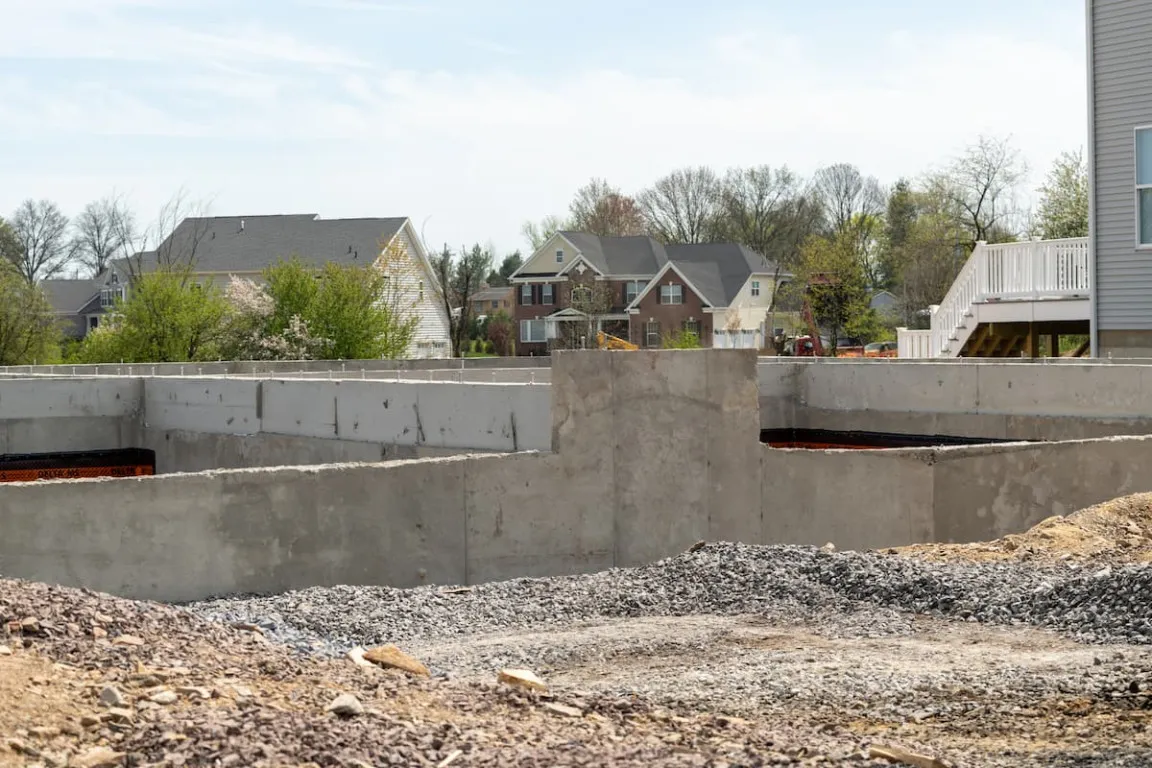
The foundation is the most important part of a house's structure. Although it is located below ground and not directly visible, the house foundation serves as the primary support that determines the house's long-term strength and stability.
If the foundation has problems, the impact can spread throughout the house, from the walls and floors to the roof. Unfortunately, many people only realize there is a foundation problem after symptoms appear, such as widening cracks in the walls, sagging floors, or doors that become difficult to close.
Therefore, it is important for you to understand the causes, signs of a weak house foundation, and how to address them so that the damage does not worsen and the house remains safe to live in. Let's take a look at the full explanation below.
Causes of a Weak House Foundation
A weak foundation is often triggered by various factors. This can happen from the beginning of construction or due to the surrounding environmental conditions. Here are some of the most common causes of a weak house foundation:
1. Unstable or Easily Movable Soil Conditions
A solid foundation greatly depends on the type of soil where the house is built. Unstable soil, such as loose fill, peat, or clay, which easily expands and contracts, can cause shifts in the foundation structure.
Changes in soil volume are usually influenced by water content, weather, and the building's load pressure. If a house is built on soil like this without proper calculation, the foundation will settle more quickly, causing the house to appear tilted or develop cracks.
2. Mistakes in Structural Planning and Foundation Depth
Foundation planning should be adjusted to the building's load, the number of floors, and soil conditions. However, in practice, there are houses that use shallow foundations even though the soil is unstable, or the foundation design does not match the building's load.
This mistake can have serious consequences. Shallow foundations tend to be less effective at handling changes in soil conditions and the pressure from the building, making the foundation unstable.
3. Low Quality of Foundation Materials
Foundation materials typically consist of stone, sand, reinforcing steel, and cement as the main binding material. If any of these materials are of low quality, the foundation will be weak as well.
For example, using sand with too much clay content, fragile crushed stone, or cement that does not meet structural requirements.
This mistake can reduce the adhesion and strength of concrete. The impact is not immediately visible, but it will become apparent as the house experiences weather changes and ages.
Read also: Types of Home Foundations: Which Is Right for Construction?
4. Construction Techniques That Do Not Meet Standards
A strong foundation is not only about design and materials but also about the construction process. Some common technical mistakes include incorrect concrete mixing proportions, rushed pouring processes, inadequate soil compaction, or failure to perform curing.
If the concrete is not properly maintained during the initial hardening phase, the foundation structure can become fragile and prone to cracking. This is particularly risky because the foundation must support the building's load at all times.
5. Poor Drainage and Excessive Water Infiltration
Water is a major cause of foundation damage, especially in houses with poor drainage systems. Water pooling around the house can seep into the ground, altering soil characteristics and making it softer.
Additionally, water can penetrate the pores of building materials, leading to continuous moisture and, over time, structural deterioration. Under certain conditions, water can also carry soil particles, leading to erosion or washing away beneath the foundation.
6. Increased Building Load Without Foundation Reinforcement
Some houses undergo changes in function or renovation, such as adding floors, expanding the building, or installing additional structures on top of the house. If these additions are made without a structural analysis, the load the foundation must bear exceeds its original capacity. As a result, the foundation compresses and slowly sinks, causing damage to appear in the upper parts of the building.
Signs of a Weak House Foundation
Foundation problems often appear through visible signs in the house. The symptoms can start small, but if left unchecked, they can lead to serious damage that threatens your safety. Here are the signs of a weak house foundation that you need to watch out for:
1. Longening and Widening Wall Cracks
Cracks in the walls are the most common sign of a weak house foundation. However, cracks caused by the foundation usually have a specific pattern, such as diagonal or slanted cracks, long cracks extending from the corners of doors/windows, and cracks that continue to widen over time.
2. The Floor Feels Sunken or Uneven
You can check the condition of the floor simply by placing a small ball or a drop of water on the surface. If the ball rolls or the water tends to flow in one direction, the floor is likely uneven. This happens because the foundation has settled at one point.
3. Doors and Windows Are Hard to Close or Often Stuck
Doors and windows that are difficult to close are often thought to be a problem with the hinges or frames. However, if many doors or windows experience similar conditions, you should suspect the house's structure. Foundation shifts can cause the frames to change position and no longer be aligned. As a result, doors get stuck, there are uneven gaps, or the top of the door touches the frame.
4. Building Corner Appears Tilted
If you notice the house appears tilted, or one side looks lower, this is a serious symptom. The tilt can occur gradually, so residents may not realize it until it becomes clearly visible from the outside. You can check with simple tools like a level or by hanging a plumb line to see if the walls are still vertical.
5. Cracks in Columns or Structural Beams
Weak foundations will affect main structures such as columns and beams. Cracks in these areas are more dangerous than cracks in ordinary walls because columns and beams are the load-bearing elements of the house. These cracks can be vertical or diagonal, or they can cause the structural surface to appear split.
6. Occurrence of Ground Settlement Around the House
Ground settlement around the house can indicate soil shifting or erosion beneath the surface. It usually appears as sunken soil near exterior walls, terraces, and drainage areas. This condition can be the beginning of foundation problems because the soil supporting the building undergoes volume changes or is washed away by water.
7. Emergence of Water Seepage and Higher Moisture in the Area at the Bottom of the Wall
Foundations that are damaged are often associated with water seepage from the soil. If you notice that the bottom part of the wall is damp, paint is peeling, or mold is growing, capillary water may be rising from the soil through the pores of the building material.
Read also: Types of Deep and Shallow Foundations for Buildings
Tips for Dealing with Weak House Foundations
If you have already noticed the signs above, it is best to fix them immediately, as early intervention is more cost-effective. However, the foundation solution should be adjusted based on the level of damage, soil conditions, and the building's structure. Here are some tips for dealing with a weak house foundation that you can do:
1. Conduct a Structural Inspection
The first step is to consult a structural expert, an experienced contractor, or a building engineering team to evaluate the foundation's condition. With a proper inspection, you will know whether the damage only affects non-structural parts, such as wall plaster, or has already reached main components like the foundation and columns.
2. Improve the Drainage System and Water Flow Direction
If water is the main cause of a weak foundation, then you need to improve the drainage. Make sure rainwater does not accumulate around the foundation. Gutters should be directed to a proper drainage system, not left to fall directly onto the ground near the house walls.
3. Perform Underpinning
For more serious damage, underpinning or foundation reinforcement is required. Underpinning is a method of strengthening an existing foundation by widening or deepening it to better support the load.
4. Stabilize the Soil Using Grouting or Concrete Injection
If the foundation has problems due to empty soil or cavities beneath it, one solution is often grouting. This method involves injecting materials, such as liquid cement or a special mixture, into the soil to fill cavities and compact the area.
5. Repair Cracks According to Their Type and Cause
Cracks caused by the foundation cannot be patched with regular cement. You need to repair the cracks according to their depth and type. For structural cracks, epoxy injection or additional reinforcement is often required to prevent recurrence.
6. Avoid Major Renovations Before Strengthening the Foundation
If you plan to add floors or expand your house, make sure the foundation is ready to support the new load. Do not undertake major renovations when the foundation shows signs of weakening, as the additional weight can accelerate damage.
7. Use Building Materials that Support Structural Protection
A strong foundation depends not only on design and workmanship but also on the quality of the building materials, especially the cement, the main binder. Good cement helps produce concrete that is denser, stronger, and resistant to environmental factors such as water and humidity.
However, there is no need to worry because you can use Semen Merah Putih Watershield. This product features water-repellent technology that provides double protection against water infiltration from the outside, the inside, or the ground (capillary water), while also helping reduce the impact of moisture that can weaken the structure over time.
For more detailed information or consultation on choosing materials according to your home’s needs, don’t hesitate to contact us now and get the right construction solution to make your home stronger, safer, and more durable!
Read also: 10+ Types of House Building Materials & How to Choose Them