
Understanding building materials is an important step when building or renovating a house. Choosing the right building materials helps to match quality with needs and avoid the risk of cost overruns.
In addition to supporting the house’s strength and durability against various weather conditions, high-quality materials also help maintain the house’s value as a long-term asset. Choosing the wrong materials can cause the building to deteriorate quickly and result in repeated repair costs.
Therefore, it is essential to know the types of building materials and their functions before making a choice. Read the full explanation below to make more accurate and efficient decisions.
Types of Building Materials for Houses
The building structure is the first step in building a house from scratch because it forms the entire house. In this process, selecting the main materials is crucial to determining the building's strength and durability. The following are the types of building materials commonly used in houses:
1. Cement
Cement is one of the most important building materials for houses. Almost all construction work relies on cement, especially in structural work.
From laying concrete foundations to bonding bricks to walls, cement always plays a major role in maintaining the building's strength.
2. Wood
Wood is one of the natural building materials that has long been used in house construction. It has various functions, ranging from building frames and roof trusses to door and window frames, and to wall and floor coverings.
Wood remains a popular choice in house-building materials because it is strong, durable, and easy to shape. Some types of wood, such as Kalimantan wood, are known for their high quality, but other types are still suitable for use as long as their moisture content is below 20% or they have undergone kiln-drying to prevent rot.
3. Steel
Steel is one of the most widely used building materials for houses today. Generally, steel is used for ground beams above the foundation, wall frames, and roof construction. Its function is vital in strengthening the wall structure to support the roof's weight.
Steel is known to be durable against rust and termites because it is made of metal. Additionally, the use of steel facilitates frame assembly and speeds up house construction.
Read also: Get to Know Earthquake-Resistant Building Materials
4. Sand
Sand is a raw material for buildings that is almost always used as a mixture of cement and water for concrete and brick adhesive. This material plays an important role in foundations, wall plastering, and brick making.
The sand's quality greatly affects the building's strength, so you should select coarse sand with sharp grains, a dark color, and a low silt content. An easy way to check is to grab some sand; if it clumps easily, it is not good quality.
5. Bricks
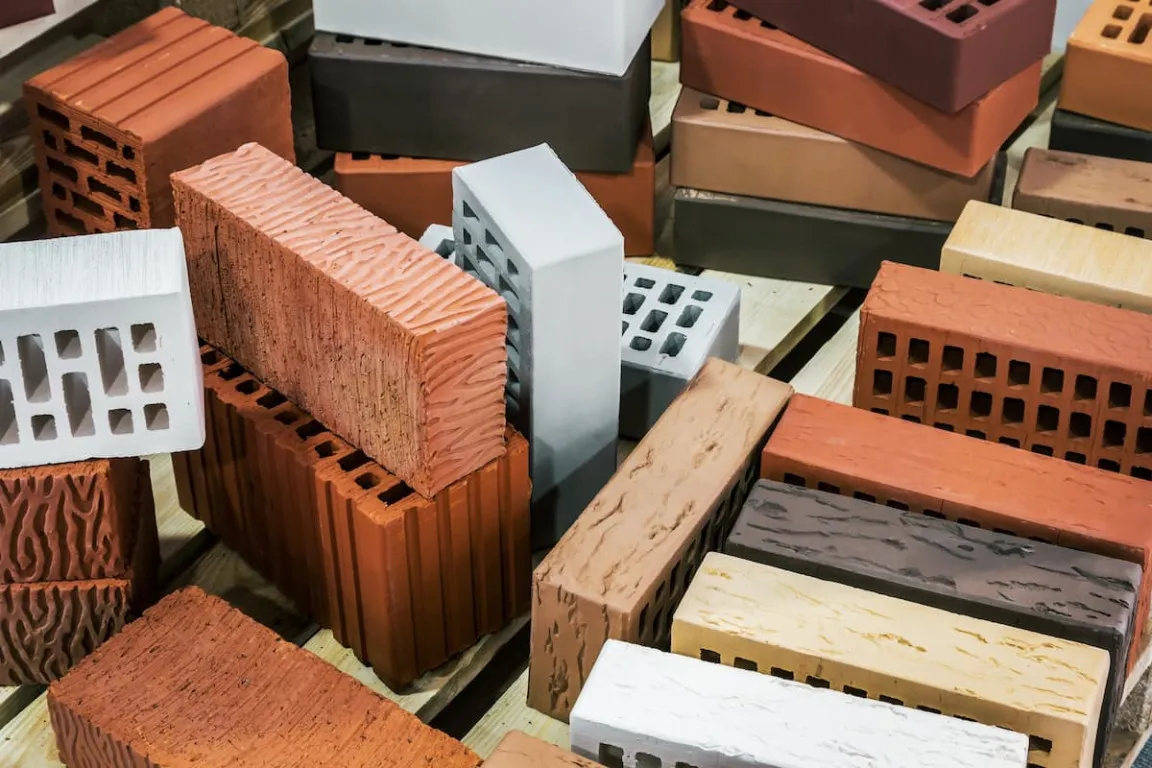
The next commonly used building material is brick. Bricks are an essential building material for houses, playing a key role in wall construction. This material is assembled using a mixture of cement and sand to ensure a strong, well-bonded result.
Bricks are available in various sizes, allowing them to be adjusted to the building's needs. Although there are now many alternatives to bricks, such as concrete blocks and lightweight bricks, which are relatively more affordable, bricks are still preferred for house construction because of their proven strength and quality.
6. Concrete Steel
Concrete steel is used as reinforcement in concrete construction, including foundations and building frames, to ensure a strong, stable structure. Concrete steel comes in various diameters, ranging from 6–25 mm, with a standard length of approximately 12 meters.
As part of building construction equipment, this material is available in several types, including plain concrete steel, threaded concrete steel, hollow steel, and other types tailored to structural needs.
7. Natural Stone
Natural stone is used as the main material in the foundation construction and concrete casting, although the types vary. For foundations, natural stones such as river stones or mountain stones are most often used because they are strong enough to support the building's load.
Meanwhile, in the concrete casting process, split stones are more commonly used and mixed with cement and sand to make the building structure sturdy.
Read also: Learn About Cement Raw Materials, Types, & How to Make It
8. Plywood
Plywood is a building material made from layers of wood glued together. This material is often used for interior wall coverings, house ceilings, and concrete formwork.
It is easy to shape, so plywood is often used as a base material for making furniture.
9. Gravel
Gravel is used as a mixture of cement and sand in concrete production, both for wall foundations and house fences.
This material is available in various sizes, ranging from 5 to 50 mm, each tailored to construction needs. It plays an important role as a mixture complement, making concrete stronger and more stable.
10. Roof Tiles
Roof tiles serve as roof coverings that protect houses from weather and temperature changes, keeping the house comfortable.
In Indonesia, clay roof tiles remain the most commonly used, despite many people now switching to alternatives such as metal, concrete, wood, ceramic, asbestos, or lightweight metal roof tiles. The type of roof tile can be chosen based on the needs and the house's characteristics.
11. Ceramic
Ceramic is a building material commonly used as a coating for floors, walls, backsplashes, and countertops. This material is made from clay, sand, and other minerals that are compacted and available in various sizes and prices.
In addition to enhancing the house's appearance, ceramic tiles also help maintain room temperature, preventing the room from feeling hot; they are often installed on walls. For installation, ceramic tiles require a special adhesive, such as mortar, tailored to the tile type.
12. Glass
Glass is now used not only for windows but also as wall and door coverings in modern houses. This material helps maximize natural light, making the house feel brighter.
Although it is easier to apply and relatively affordable compared to concrete, glass is not as durable as concrete walls. Therefore, glass is generally used as a wall covering in certain areas, such as the back of the house.
Tips for Choosing the Right Building Materials for Your House
Whether you are renovating or building a house from scratch, you need to choose your materials carefully to ensure that the results are durable and suit your needs. Here are some things to consider:
- Consider durability: Select materials that can withstand moisture, weather, corrosion, and fire risks to make your house safer and more durable.
- Choose materials that are easy to maintain: High-quality materials generally require minimal maintenance, helping to save on long-term house maintenance costs.
- Prioritize materials with a warranty: They offer protection against damage for a certain period and help minimize the risk of loss.
- Adjust to reasonable costs: Low prices are tempting, but ensure the quality is comparable to avoid future problems.
- Choose materials that are readily available: The availability of materials and construction tools in the area affects the cost and smoothness of the construction process.
- Consider aesthetic value: Materials with matching colors and designs can enhance your house's appearance, such as wood tiles, ceramics, granite, or marble, depending on your house style.
That’s all the information on types of house-building materials, along with tips on choosing the right ones to ensure strong, durable, and comfortable long-term construction. In the manufacturing process, one material that should not be overlooked is cement because almost the entire construction process depends on its quality.
To support these needs, you can choose Semen Merah Putih Watershield, a premium multipurpose cement with water-repellent technology that protects buildings against water seepage. This product is suitable for various applications, including plastering, bricklaying, and casting columns and roofs.
Want to learn more about other Semen Merah Putih products that suit your house-building material needs? Contact us now to find the best solutions for stronger, more durable construction.
Read also: Latest Building Material Prices, Check the Estimates!