
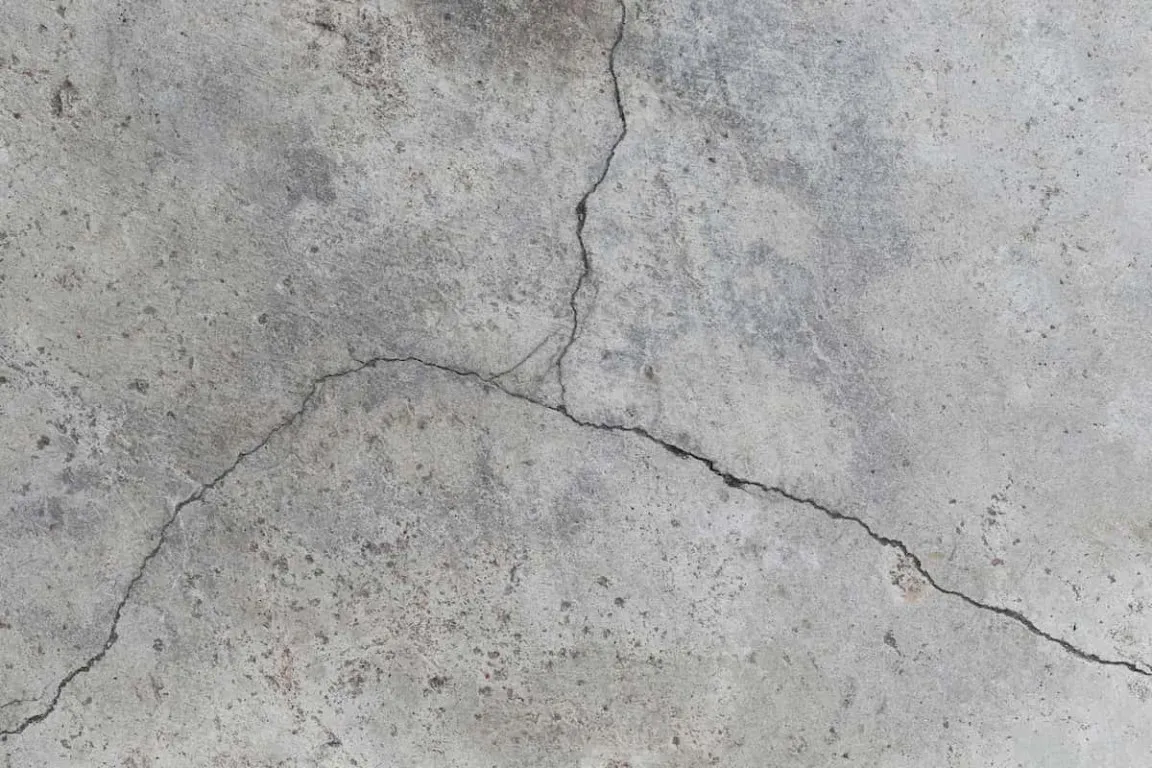
Self-healing concrete is known as a building material that can repair itself. When small cracks appear, special components within the concrete become active and seal the gaps without human intervention.
This natural process helps keep the structure stable for a longer time and reduces maintenance costs. In its application, the self-healing properties of concrete can support more energy-efficient and environmentally friendly construction.
To learn more about self-healing concrete and its benefits, read the full explanation here.
What Is Self-Healing Concrete?
Self-healing concrete is a type of concrete that can repair its own cracks. This concrete is capable of sealing small cracks that typically form due to weather changes or repeated stress.
This self-healing technology was developed by Dutch scientist Hendrik Marius Jonkers. He added special bacteria to the concrete mixture.
When a crack forms and comes into contact with water, the bacteria become active and produce calcium carbonate that fills the gap. Through this process, buildings can remain strong, last longer, and be more environmentally friendly.
Types of Self-Healing Concrete
Apparently, self-healing concrete does not come in just one form. Several methods have been developed to help concrete close cracks on its own.
Each type has its own working mechanism and advantages. Here are some types of self-healing concrete that are commonly used:
1. Self-Healing Concrete with Microcapsules
This type of concrete contains microcapsules filled with cement, silica, or polymers, which are scattered throughout the mixture. When cracks appear, these microcapsules break and release their contents, automatically sealing the gaps.
Concrete with microcapsules is effective for repairing small to medium cracks, making the structure stronger and more durable.
Read also: How Many m² Does a Sack of Plaster Mortar Cover? Find Out!
2. Self-Healing Concrete with Crystalline Materials
This concrete is equipped with calcium salts that react when exposed to water, forming crystals that automatically seal cracks.
Additionally, this type of crystalline concrete is suitable for repairing small to medium-sized cracks while also helping to prevent corrosion in building structures.
3. Self-Healing Concrete with Bacteria
In this type of concrete, bacteria are added to the mix. When cracks appear and are exposed to water, the bacteria become active and produce calcium carbonate that automatically seals the cracks. This method is effective for small to medium cracks and helps protect the concrete from corrosion.
4. Self-Healing Concrete with Mycelium Mushrooms
This type of concrete uses mycelium as a natural healing agent. The fungal material is incorporated into the concrete mixture. When the concrete cracks, the mycelium grows along the fissures and forms a very strong network of fine fibers.
This network serves to seal the cracks while also enhancing the structural strength. This approach is effective for addressing small- to medium-sized cracks and helps maintain the concrete's durability over the long term.
Benefits of Self-Healing Concrete
Self-healing concrete offers more than just the ability to seal cracks. This technology also offers a range of advantages, from strength to efficiency. Some of the main benefits include:
1. Reducing Maintenance Costs
Self-healing concrete helps lower building maintenance costs more practically. Unlike ordinary concrete that easily cracks and often needs repairs, this concrete can repair its own cracks.
2. Maximizing Structural Durability
Self-healing concrete can extend the lifespan of buildings by automatically sealing small cracks. This technology is effective in enhancing structural durability, especially in areas prone to earthquakes or extreme weather. Using self-healing concrete makes buildings stronger, safer, and more durable.
Read also: 15 Types of Raw Materials for Building and What They Do
3. Enhancing Building Safety Aspects
Self-healing concrete helps keep buildings safe by automatically sealing cracks.
Unlike regular concrete, which can crack and weaken structures and endanger occupants, this self-healing technology keeps buildings strong and minimizes the risk of damage.
4. Supporting a More Efficient Construction Process
Self-healing concrete makes the construction process more efficient by sealing cracks on its own, reducing the need for repairs or structural replacements that could lead to cost overruns in the future.
5. Contributing to Environmentally Friendly Construction
Self-healing concrete supports environmentally friendly construction because it can seal cracks on its own, eliminating the need to replace parts of the building.
The use of cement can also be reduced, and construction waste can be minimized, thus decreasing the negative impact on the environment.
That is the explanation of self-healing concrete, from its definition to its benefits. This technology can make buildings stronger, more durable, and safer while also supporting environmentally friendly construction.
Choosing the right building materials is an important step to ensure that a structure remains strong, safe, and durable. Beton Merah Putih, which is part of Semen Merah Putih, offers a solution for solid and high-quality construction.
A wide range of products is available to meet your project needs, from Ready Mix Concrete, Precast Concrete, and aggregates. All are designed to high standards to ensure that every building structure has optimal durability and meets technical specifications.
Want to know which materials are best suited for your project needs? Contact us now and make your dream project a reality with quality concrete and construction materials for long-lasting results.
Read also: What Is Mortar? Here Is the Definition, Types, & Functions