
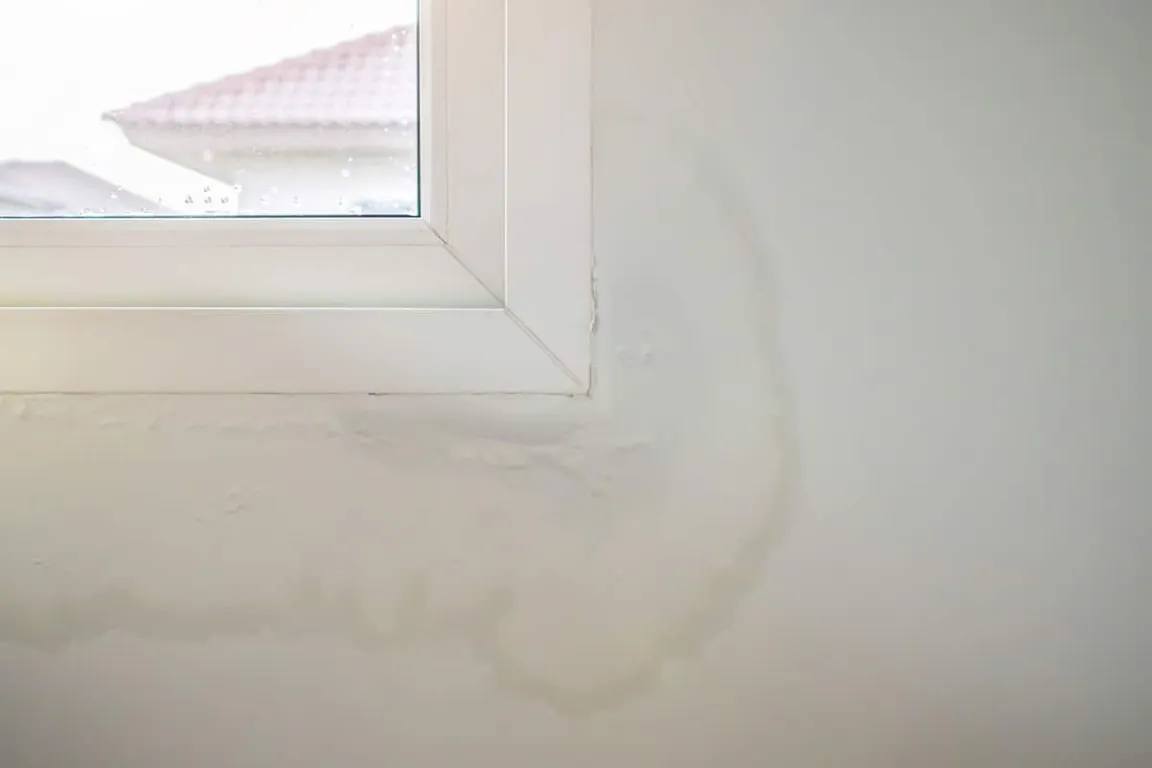
Damp walls, peeling paint, and even mold caused by water seepage often threaten houses when the rainy season arrives. Therefore, it is important to know how to deal with walls affected by rainwater seepage so that your house remains well-maintained and comfortable to live in.
If left unchecked, water seepage can also damage wall surfaces and cause them to rot more quickly. So, it is best to address the seepage immediately before wall damage worsens and repair costs increase.
Check out the full guide on how to fix and prevent water leakage in walls to keep your house comfortable during the rainy season.
Why Do Walls Leak Easily During the Rainy Season?
Before repairing a leaky wall, identify the cause so you can address it properly. Rainwater can seep into walls for several reasons, from structural damage to malfunctioning drainage systems. Here are some reasons why walls are prone to leaks during the rainy season:
1. Cracks in the Walls
Gaps in the wall surface can cause rainwater to seep into the wall. If left unaddressed, this can lead to peeling paint and mold growth. Cracks can occur due to poor-quality building materials or sloppy construction work.
2. Leaky Roofs and Clogged Gutters
Rainwater from a leaky roof can flow down the walls and seep into them. A similar problem can occur when gutters are blocked or damaged, preventing water from draining properly.
3. Poorly Functioning Drainage
Poor home drainage can also cause rainwater to pool. Prolonged standing water can seep into the walls, especially if the surrounding soil absorbs water poorly or the slope does not allow water to flow away from the building.
4. Suboptimal Waterproofing
Walls without proper waterproofing are more prone to leaks. This risk increases if the waterproofing layer is installed incorrectly or is damaged, making it easier for rainwater to seep into the walls.
5. Structural Damage and Pipe Leaks
Cracked or damaged foundations can allow water to seep into the building’s structure. Additionally, leaks in water pipes or drainage lines inside the walls can keep the walls wet.
6. Poor Air Circulation
Poor air circulation around walls can increase humidity. If this condition persists, walls can become wet, especially when exposed to rainwater seepage.
Read also: How to Treat Damp Walls, Easy and Efficient Steps!
How to Prevent Walls from Seeping Due to Rainwater
To prevent walls from seeping easily during the rainy season, take several preventive steps early on. Here are some tips for optimal long-term wall protection:
1. Use Waterproof Cement to Protect Walls
Cracks and gaps in walls can cause rainwater to seep in, especially at the joints between old and new sections of a building. This condition can also be triggered by changes in temperature and humidity, which cause hairline cracks.
To prevent seepage, seal damaged areas with appropriate repair materials. For hairline cracks specifically, you can use waterproof paint or cement to seal the wall’s pores and prevent water from seeping in.
2. Apply a Waterproof Protective Coating
In addition to repairing cracks, you can also protect walls with waterproof paint or a water-resistant coating. Apply this coating to areas prone to water exposure, such as finishing gaps, wall-to-roof joints, and surfaces clad with natural stone. Choose high-quality products to protect your walls from rainwater seepage and avoid frequent reapplication.
3. Ensure Proper Plastering and Skim Coating
The quality of the plastering and skim coat also determines the wall’s resistance to rainwater. If these layers are not completely dry when painted, water vapor can become trapped and damage the paint surface.
Therefore, apply plaster and skim coat according to the instructions, including keeping the skim coat moist for 2 straight days and waiting 14 days before painting. If seepage is caused by a skim coat that has not yet dried, the paint must be removed, and the wall needs to be skim-coated again.
4. Ensure Gutters and Drainage Channels Are Functioning Properly
To prevent rainwater from constantly hitting the walls or pooling around the house, ensure that gutters and drainage channels are functioning properly. Leaky, clogged, or misaligned gutters can block water flow and increase the risk of seepage.
5. Maintain Air Circulation Inside the House
Ensuring good air circulation inside the house can prevent indoor moisture from settling on the walls. Adequate ventilation allows air, breezes, and sunlight to enter, so the walls dry quickly and are less prone to mold.
Without good air circulation, trapped indoor moisture can accelerate damage to wall surfaces, especially during the rainy season.
Read also: Recommendation For Wall Waterproof Coatings and Prevention Tips
How to Fix Leaky Walls Caused by Rainwater
If your walls are already leaking, the solution must be tailored to the cause and level of damage. Here are some ways to fix leaky walls caused by rainwater:
1. Identify the Cause of the Leak
The first step is to identify the root cause so the seepage doesn't keep coming back every time the rainy season arrives. If the cause is difficult to pinpoint, ask a building expert to help determine the necessary repairs.
Seepage resulting from construction errors may require more extensive work, such as removing and rebuilding the affected section of the wall.
2. Apply a Breathable Sealant
A breathable sealant is a practical solution for walls that occasionally become damp due to moderate rainfall. This coating effectively keeps water out without trapping moisture inside the bricks, allowing the wall to “breathe.”
You can also apply it to mortar or brick joints to prevent water seepage. However, remember this method is only suitable for minor leaks, not for severe, persistent leaks.
3. Repair Grout and Mortar Joints
Repointing involves removing the old, damaged mortar and replacing it with new mortar. This repair helps maintain the wall’s neat appearance while reducing the risk of rainwater seeping through the joints.
To ensure a neat, uniform result, hire a professional to match the color, composition, and texture of the new mortar to the existing layer.
4. Fix Leaks With an Exterior Protective Coating
If rainwater has already leaked into the wall, apply a high-quality waterproof paint or coating to the affected exterior areas. This coating prevents water from leaking back into the bricks and plaster.
Choose a weather-resistant coating suitable for tropical climates. Make sure the wall surface is prepared according to the product’s instructions so the protective coating works optimally.
5. Repair Damaged Pipes
Rainwater drainage pipes that are cracked, leaking, or have loose joints can cause leaks in the walls. If the damage occurs in pipes embedded within the wall, the repair process can be more complicated. Therefore, seek the help of a construction expert to ensure the damage is properly addressed.
Prevent Wall Leaks During the Rainy Season with Semen Merah Putih Watershield
Maximum protection against wall leaks during the rainy season starts with choosing the right building materials from the start. To keep your house sturdy and moisture-free, Semen Merah Putih Watershield is the ideal, reliable solution.
This super-premium multipurpose cement features water-repellent technology that provides triple protection, offering comprehensive defense against water seepage from the outside, the inside, and groundwater absorption. Unlike ordinary cement, these innovative advantages make building structures stronger, more durable, and more cost-effective to maintain.
The wide range of applications for Semen Merah Putih Watershield makes it suitable for various construction projects, from building foundations, concrete slabs, and cast-in-place concrete to brickwork, plastering, and finishing.
So, ready to get your house fully protected during the rainy season? Please contact us right away for the best building materials and construction services to ensure your project's success!
Read also: How to Deal With Damp Walls? 7 Tips You Should Try!