
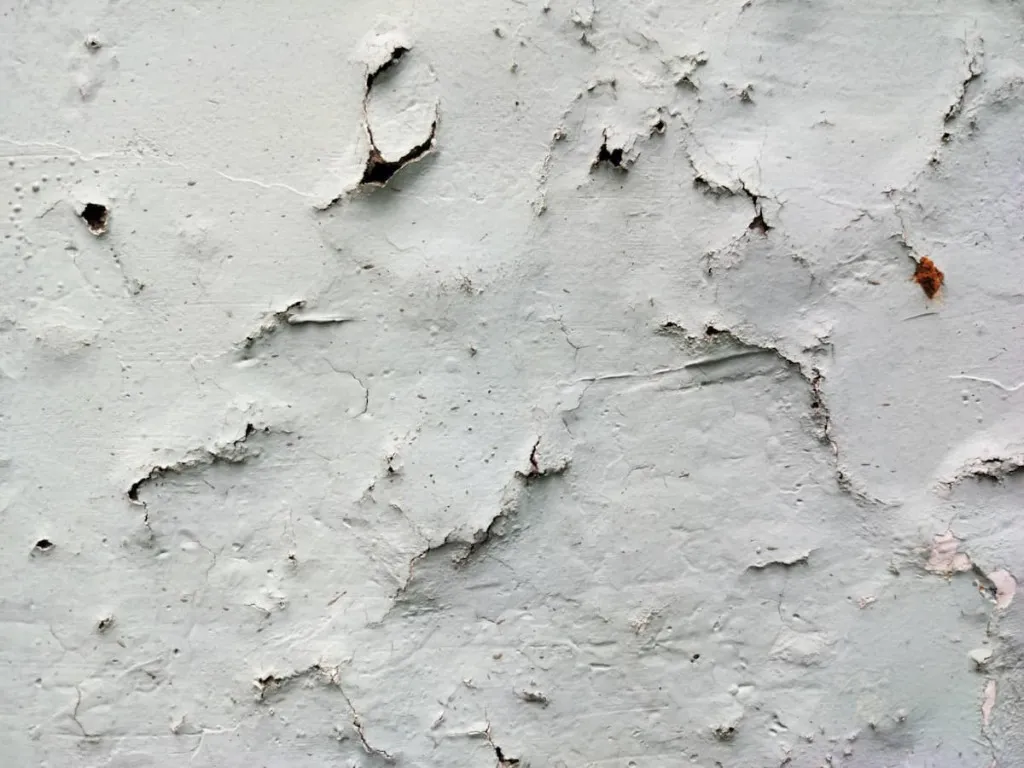
Wall paint peeling is often a problem that makes a house look dull and poorly maintained. In fact, you may have already chosen high-quality paint and colors that match your interior or exterior concept. Unfortunately, without proper handling, paint can still become damaged in a relatively short time.
This problem is actually quite common and can occur in various types of buildings, both new and old homes. The causes also vary, ranging from technical factors during painting to surrounding environmental conditions. To prevent this from happening again, it is important to understand the causes of wall paint peeling more deeply.
Causes of Wall Paint Peeling
There are several main factors that often trigger wall paint peeling. Understanding the causes will help you determine the right solution while preventing recurring damage.
1. Damp Wall Surfaces
Moisture is the main enemy of wall paint. If the wall has a high moisture level, the paint will not adhere properly. As a result, the paint can easily bubble and eventually peel off.
This condition usually occurs due to:
- Leaking pipes or roofs.
- Rainwater seepage from outside.
- Walls that are not completely dry when painted.
2. Poor Surface Preparation
One of the most common mistakes is painting directly without cleaning the wall surface first. In fact, dust, oil, or old paint residue can interfere with the adhesion of the new paint.
Without proper preparation, the paint only sticks to the outer layer and does not truly bond with the wall surface.
3. Using Unsuitable Paint
Not all types of paint are suitable for every condition. For example, using interior paint for the exterior of a house will cause the paint to deteriorate more quickly because it is not resistant to extreme weather.
Furthermore, paint quality also has an effect. Low-quality paint usually has weaker adhesion and durability.
4. Not Using Primer or Base Coat
Primer functions as a base layer that helps the topcoat adhere more strongly. Without primer, paint will peel more easily, especially on surfaces that have never been painted before.
5. Incorrect Painting Techniques
The way paint is applied also has a major impact. Some common mistakes include:
- Painting while the wall is still wet
- Applying paint too thickly in one coat
- Not allowing enough drying time between coats
These factors prevent the paint from drying properly and eventually make it easier to peel.
Read also: How to Calculate Paint Consumption Proportionately
Environmental Factors That Affect Paint Durability
In addition to technical factors, environmental conditions also play a major role in determining the durability of wall paint.
1. Exposure to Extreme Weather
For exterior walls, weather changes such as intense heat and heavy rain can accelerate paint damage. UV rays can cause paint to fade and crack, while rainwater can seep into the wall.
2. Poor Air Circulation
Indoors, poor air circulation can cause high humidity. This often occurs in bathrooms, kitchens, or rooms without adequate ventilation. As a result, paint becomes damaged and peels more quickly.
3. Mold and Mildew
Humid environments also trigger the growth of mold and mildew on walls. Besides affecting aesthetics, these organisms can damage the paint layer from within.
Common Mistakes During Painting
Many people assume that painting is a simple job, even though there are several important details that are often overlooked.
1. Not Waiting for the Wall to Dry Completely
After plastering or skim coating, walls need time to dry completely. If painted immediately, trapped moisture will push the paint outward and cause peeling.
2. Ignoring Hairline Cracks
Small cracks are often considered trivial, even though they can become entry points for water. Over time, this water will damage the paint layer from within.
3. Using the Wrong Tools
Unsuitable brushes or rollers can produce uneven paint layers. This makes some areas more prone to peeling than others.
Read more: 10+ Cool Wall Paint Design Ideas for Rooms in Your House
How to Prevent Wall Paint Peeling
After understanding the causes, the next step is preventing this problem from happening in the future.
1. Make Sure the Wall Is Dry and Clean
Before painting, make sure the wall is:
- Free from dust and dirt
- Not damp
- Completely dry
If necessary, use a moisture meter to ensure the wall condition is ideal.
2. Use High-Quality Paint
Choose paint that suits your needs, whether for interior or exterior use. High-quality paint generally has better resistance to weather and moisture.
3. Apply Primer
Do not skip this step, especially for new walls or surfaces that have previously been damaged. Primer helps improve adhesion and the final paint finish.
4. Pay Attention to Painting Techniques
Use the correct techniques:
- Apply paint in several thin coats
- Allow drying time between coats
- Use suitable tools
5. Fix the Source of the Problem
If there are leaks or water seepage issues, repair them first before repainting. Without addressing the source of the problem, the new paint will peel again.
Wall paint peeling is not just an aesthetic issue, but also a sign that there is a problem with the wall or the painting process. From moisture and improper techniques to environmental factors, all of these can become the main causes.
By understanding these various factors, you can more easily prevent damage and keep your home looking neat and attractive. The key lies in thorough preparation, choosing the right materials, and applying proper techniques.
To make wall paint more durable and less likely to peel, the painting process should also be supported by strong wall conditions and protection against water seepage. This is because wall moisture is often the main cause of paint damage, bubbling, and peeling even after repainting.
To help keep walls dry and more resistant to seepage, you can use Semen Merah Putih Watershield. The water-repellent technology in this cement helps protect walls from water penetration, minimizing the risk of moisture that can damage paint layers.
It is suitable for various home construction needs to help create walls that are stronger, more durable, and remain neat-looking over the long term. Contact us now to consult further about the right product for your needs.
Read also: How to Create an Aesthetic Industrial Wall & Design Ideas