Material innovations in Indonesia’s construction industry continue to evolve. One such innovative material widely used in residential and other projects is fiber-cement board. Fiber-cement board offers a material solution characterized by high durability and flexibility.
One of the most common uses of fiber-cement board is as a ceiling renovation material to replace gypsum, as it resists decay from moisture seepage. But fiber cement board has many other functions and advantages. Read this article to learn more about fiber cement board!
What Is Fiber Cement Board?
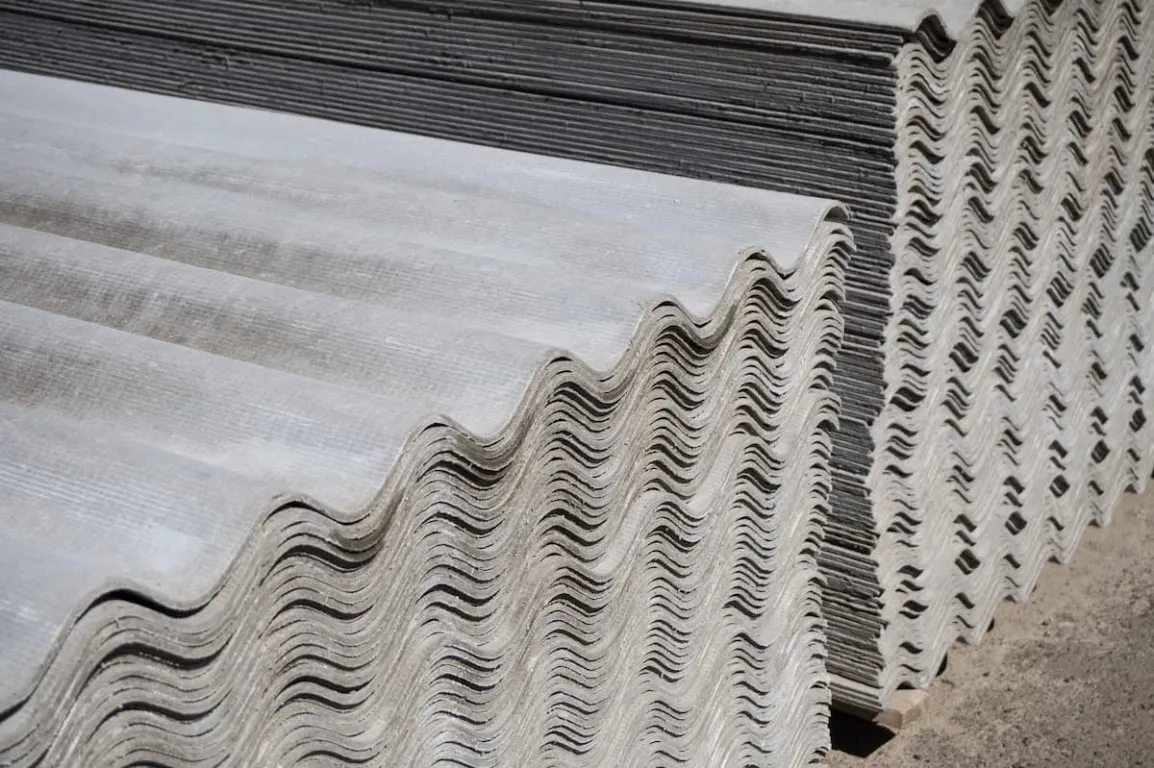
Fiber cement board is a sheet material made from a mixture of Portland cement and natural fibers such as cellulose, along with other additives like silica sand and water.
Manufacturers mix, mold, and then dry the materials under high pressure and high-temperature steam (the autoclave process) into sheets, resulting in a dense, hard, weather-resistant material.
Characteristics of Fiber Cement Board
Fiber cement board offers a combination of durability and strength due to its blend of raw materials and the high-pressure molding process (autoclave). The mixture of Portland cement, silica sand, and cellulose fiber, dried and compacted at these extreme temperatures, produces a material that is not only weather-resistant but also resistant to breakage during use.
Here is an explanation of some characteristics of fiber cement boards:
1. Water and Moisture Resistance
Fiber cement boards are not made from materials that absorb excessive amounts of liquid or moisture, so they will not rot, decay, or crumble even if installed in damp areas or exposed to leaks.
2. Non-Combustible
Fiber cement boards are made from non-combustible materials, so they can withstand fire and do not accelerate its spread to other parts of the building.
Additionally, because they are made from inorganic minerals, one key advantage of fiber cement boards is that they will not burn, melt, or emit toxic gases when exposed to high temperatures or fire.
These characteristics make fiber cement boards suitable for use in office buildings or public gathering places that must comply with specific fire safety regulations.
Read also: Polycarbonate, Building Material to Substitute Glass
3. Termite-Resistant
Through high-pressure compaction and high-temperature drying (autoclave), this process produces dense sheets. Its organic cellulose fibers are tightly bound within a cement-silica matrix, making the material impervious to termite damage.
4. Strong and Impact-Resistant Structure
The high-pressure compaction process produces dense and compact cement fiber boards. As a result, this material is very hard and resistant to physical impacts, such as blows from blunt objects. Additionally, cement fiber boards possess high structural strength, making them resistant to cracking or damage.
5. Environmentally Friendly
Cement fiber boards are made of a mixture of recycled cellulose fibers and are free of hazardous materials such as asbestos. The material’s high durability also helps minimize construction waste, as it does not need to be replaced frequently and the waste can be recycled.
Functions of Fiber Cement Boards
With their unique characteristics, flexibility, and resistance to various conditions, fiber cement boards serve a wide range of functions in the construction industry. Their applications extend beyond interior spaces to exterior areas. Here are some of the main functions of fiber cement boards:
1. Ceiling Material
Fiber cement boards are commonly used as ceiling material, especially in high-humidity environments. This material suits bathrooms, kitchens, patios, and roof overhangs. It also provides decent sound insulation, so rain noise is less noticeable.
2. Subfloor
Fiber cement boards can be used as subfloor panels or a base layer for floors in multi-story buildings or stilt houses before being covered with ceramic tiles, vinyl, or hardwood flooring, especially in high-humidity areas.
3. Exterior Facade Walls
Cement fiber boards are often used as cladding or a protective, aesthetic layer on the exterior of buildings. This cement fiber board layer protects walls from sun exposure and rain.
4. Partition Walls (Interior Partitions)
Another use for fiber-cement boards is as an alternative to brick walls for dividing spaces in houses or offices. Advantages of fiber-cement partition walls include faster, easier installation, durability, and effective sound insulation.
5. Decorative Elements
Cement fiber boards can also be used as materials for decorative building elements. For example, as accent walls in the living room, wood-patterned wall panels, or roof trim.
Advantages of Cement Fiber Boards
Beyond their diverse uses, cement fiber boards offer several advantages as a suitable, efficient material for a wide range of construction projects. Here are some of their advantages:
1. Low Maintenance
Their sturdy composition, termite resistance, and moisture resistance mean fiber cement boards require no special maintenance after installation. Periodic repainting is also unnecessary, as the material does not easily peel, mold, or rot.
2. High Durability
The material’s high density, resulting from the compaction process, makes it exceptionally strong against external factors. Combined with its fire-resistant, water-resistant, and termite-resistant properties, fiber cement boards can last several decades without becoming fragile over time.
3. Long-Term Cost Efficiency
Although the initial cost of materials and installation is slightly higher than gypsum, its durability helps reduce future renovation and replacement costs. Meanwhile, compared to plywood, fiber-cement board is relatively competitive, especially at the same thickness.
The price of fiber-cement boards varies by size and thickness. However, compared to gypsum, fiber-cement boards are generally more expensive. Meanwhile, compared to plywood of the same thickness, fiber-cement boards are very competitive in price.
Those are the characteristics, functions, and advantages of fiber cement boards in building construction projects that you need to know. This material is highly versatile, making it suitable for residential buildings, offices, and even public spaces.
To get the most from this material, choose high-quality fiber cement boards from Semen Merah Putih. Fiber cement boards from Semen Merah Putih are made with Type I OPC cement, which has high flexural strength, making them ideal for various applications, including home fences, furniture, partitions, walls, floors, and ceilings.
Semen Merah Putih also offers another flagship product, ULTRAMIX-F Cement, specially formulated with a specific fineness level to improve production efficiency.
Looking for the best construction materials for your project? Contact us now for a consultation and get the best solutions tailored to your construction needs!
Read also: 12+ Essential Roofing Materials: Functional and Popular Choices for Your Home