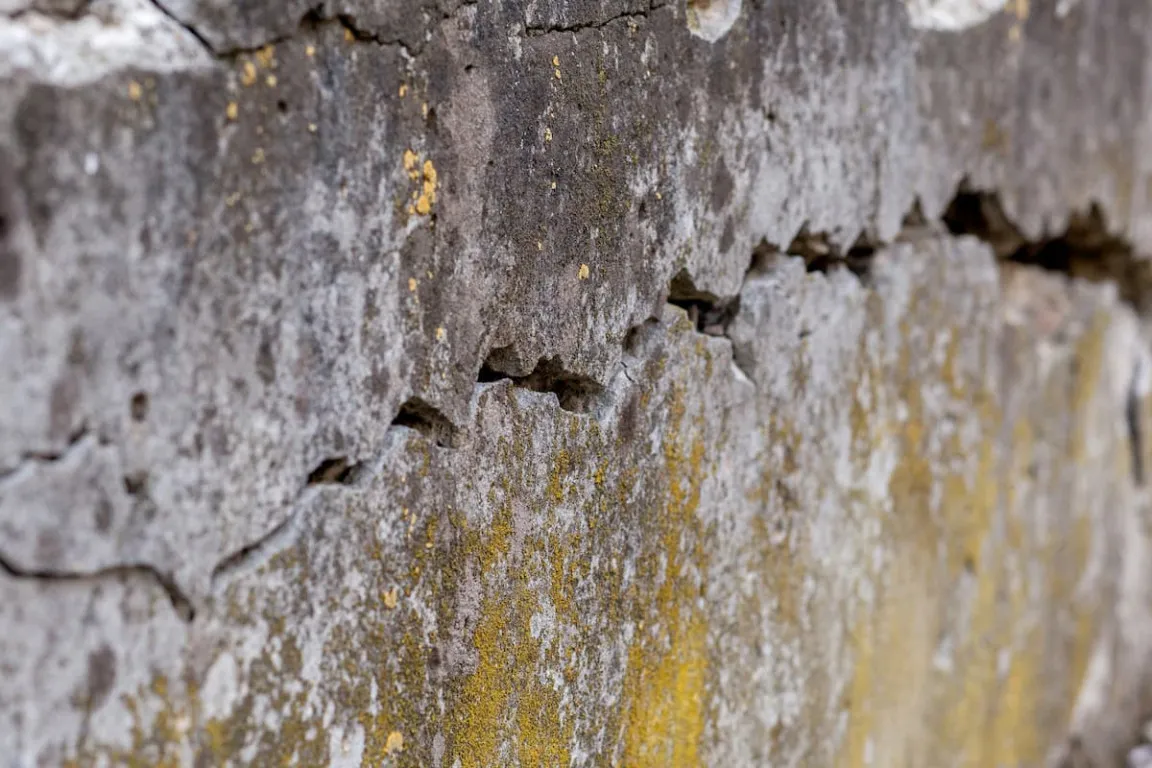
Corrosion in concrete is the process by which reinforcing steel within the concrete oxidizes due to chemical reactions triggered by water, moisture, or exposure to substances such as salts, sulfates, or acids.
That can cause the steel to rust, expand, and press against the concrete, leading to cracks and reducing the building's structural strength.
If left unchecked, corrosion not only affects the building’s appearance but also increases the risk of damage that can shorten the structure’s service life.
Therefore, let’s explore the causes of corrosion in concrete and how to prevent it early on in this article.
What Is Corrosion in Concrete?
Corrosion in concrete is a degradation process caused by chemical reactions between the materials that make up concrete and its surrounding environment. In reinforced concrete, corrosion most often occurs in the rebar or steel within the concrete, which reacts with oxygen, water, or moisture to form rust.
Exposure to corrosive chemicals, such as acids, can also accelerate this process. Over time, the rust on the reinforcing steel expands, putting pressure on the surrounding concrete.
Since concrete cannot expand easily, this pressure causes cracks and spalling, reducing the structure’s strength. If left unchecked, corrosion can shorten a building’s lifespan and increase maintenance needs and repair costs.
Causes of Corrosion in Concrete
Deterioration does not occur spontaneously. Several environmental factors and the building's physical condition are the main triggers for rust on the steel reinforcement within the structure. Here are some of the main causes of corrosion in concrete to be aware of.
- Chloride exposure: Chloride ions from seawater or deicing chemicals can penetrate the concrete and reach the reinforcing steel. This damages the steel’s protective layer, making corrosion more likely.
- Concrete carbonation: Carbon dioxide (CO₂) in the air can react with calcium hydroxide in the concrete to form calcium carbonate. This reaction lowers the concrete’s pH, making the protective layer on the steel less stable.
- Cracks in concrete: Cracks in concrete can be entry points for water and aggressive chemicals. As a result, the reinforcing steel is more easily exposed, and the corrosion process proceeds more rapidly.
- Aggressive environments: Concrete located in damp areas or exposed to industrial pollutants is more susceptible to corrosion because these conditions can accelerate the reaction in the reinforcing steel.
Read also: Concrete Cover: Functions, Standard Sizes, & Maintenance Tips
Effects of Corrosion on Concrete
If left untreated, rust attacking the reinforcing steel will have a chain reaction that damages the entire structural system. Here are some effects of corrosion on concrete to watch out for:
- Reduced structural strength: Corrosion reduces the cross-sectional area of the reinforcing steel, thereby reducing the structure’s load-bearing capacity.
- Causes concrete cracking and delamination: Rust has a larger volume than the original steel. As a result, internal pressure within the concrete increases, potentially leading to cracking and even delamination.
- Accelerates concrete deterioration: Cracks and delamination allow water and aggressive substances to penetrate the concrete. This accelerates corrosion and worsens structural damage.
How to Prevent Corrosion in Concrete
To protect buildings from structural damage, several preventive measures can be taken. Here are some effective methods for preventing corrosion in concrete.
1. Use Adequate Protective Covering
One way to prevent corrosion in concrete is to use a protective covering with a thickness that meets design and specification requirements. This layer protects the reinforcing steel from exposure to water, salt, and chemicals that can trigger corrosion.
2. Use Special Concrete
Alternatively, you can also use special concrete containing anti-corrosion additives. These additives help form a protective layer on the reinforcing steel, making it more resistant to corrosive ions that can trigger corrosion.
3. Apply Cathodic Protection
Cathodic protection is an effective way to prevent corrosion in reinforced concrete. This method involves passing a controlled electric current through the reinforcing steel via anodes placed around the concrete or an external power source, thereby inhibiting the corrosion process.
4. Apply Protective Coatings
Protective coatings, such as epoxy, organic coatings, or inorganic coatings, can help reduce the risk of corrosion in reinforced concrete. These coatings serve to block the entry of water, oxygen, and chemicals that can trigger corrosion in the reinforcing steel.
Read also: Porous Concrete: Characteristics, Causes, & How to Fix It
5. Perform Routine Maintenance and Repairs
To prevent corrosion, you also need to perform routine maintenance by cleaning dust and dirt that accumulate on the concrete surface. In addition, conduct periodic inspections to detect cracks caused by corrosion early on. That way, repairs can be made more quickly before the damage worsens.
6. Ensure the Drainage System Is Functioning Properly
A good drainage system helps direct water away from reinforced concrete structures so that moisture does not accumulate. This reduces the risk of corrosion caused by standing water or excessive water flow.
7. Use Corrosion-Resistant Materials
You can also use materials that are more resistant to corrosion, such as stainless steel reinforcement or fiberglass. Compared to ordinary carbon steel, these materials offer better resistance, which can help reduce the risk of corrosion in reinforced concrete.
Prevent Corrosion with High-Quality Concrete from Beton Merah Putih
Maintaining material quality is key to protecting buildings from the threat of corrosion over the long term. Therefore, be sure to choose a trusted material supplier, such as Beton Merah Putih.
Through this subsidiary, Semen Merah Putih is committed to supplying innovative, ready-to-use concrete products that are durable, strong, and specifically designed to meet the unique needs of various construction applications.
One of the top solutions you can choose is the Ready-Mix Concrete product. This ready-to-use concrete product from Beton Merah Putih is flexibly designed to meet consumer demands and needs.
Available in a variety of quality options, Ready-Mix Concrete is ideal for use in various types of construction projects, from industrial and commercial sectors to critical infrastructure, such as high-rise buildings, residential developments, and highways.
So, interested in securing your construction investment with the best materials? Contact us right away to get the best construction solutions for your project! We are ready to help make your project a success with high-quality materials and superior service.
Read also: Starter Bar: Standard Lengths and Maintenance Guidelines