
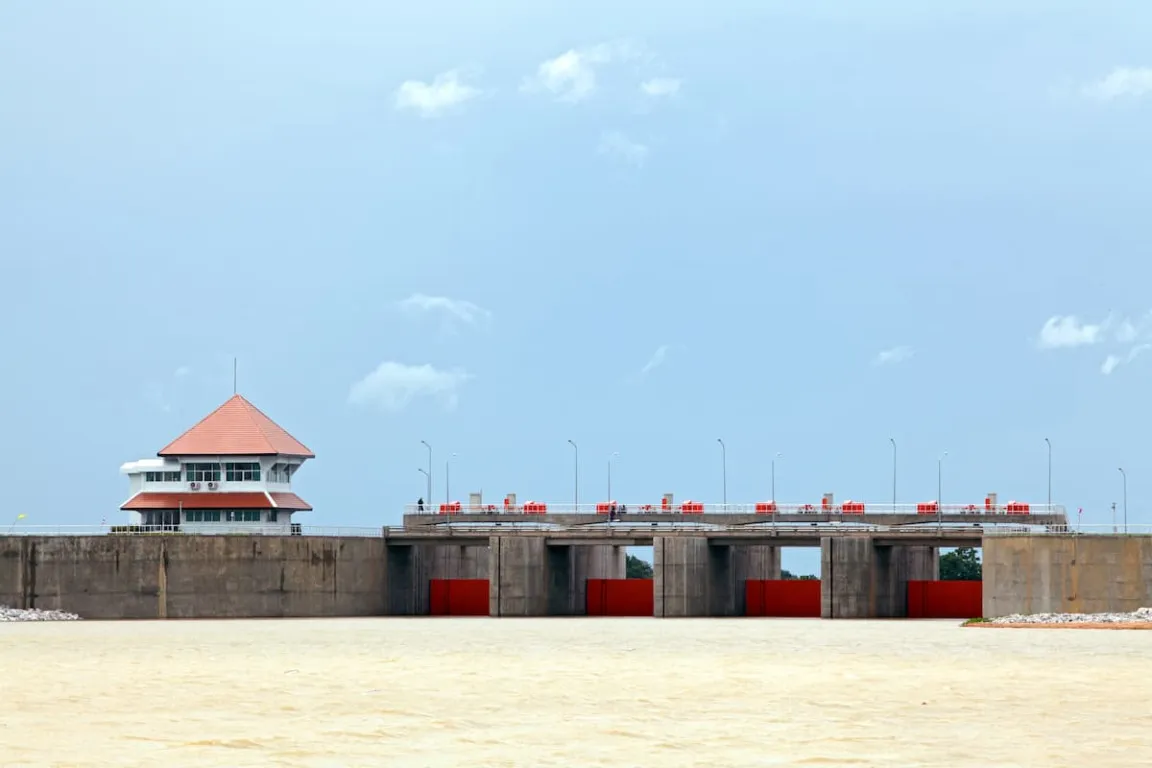
Beaches are not only tourist destinations or places where coastal communities live, but also an important part of ecosystems and economic activities. However, coastlines are constantly changing due to waves, ocean currents, tides, and extreme weather.
Therefore, in addition to breakwaters, coastal areas also need to be equipped with coastal protection structures to help maintain environmental stability.
So, what are coastal protection structures, and how do they work? Let’s take a look at the full explanation below!
What Are Coastal Protection Structures?
Coastal protection structures are built to shield coastal areas from the impacts of ocean waves, abrasion, erosion, and shoreline changes.
These structures are typically built along the shoreline, near the water’s edge, or in specific areas at risk of damage from ocean activity.
Their primary purpose is to reduce wave energy before it reaches land. This way, the land, buildings, roads, ports, and other facilities along the coast can be better protected.
The shapes and types of these structures vary depending on coastal conditions, wave strength, current direction, soil type, and project requirements.
What Is the Function of Coastal Protection Structures?
Broadly speaking, coastal protection structures serve to keep coastal areas safe and stable against various sea threats. Here are some of their main functions.
1. Reducing Coastal Erosion
Ocean waves that continuously crash against the shoreline can gradually erode the land. Coastal protection structures can reduce wave energy, thereby minimizing the impact of erosion.
2. Protecting Infrastructure in Coastal Areas
Various facilities, such as roads, ports, residential areas, industrial zones, and tourist attractions near the coast, require protection from wave impact and erosion. With coastal protection structures in place, the risk of damage to infrastructure is reduced.
3. Maintaining Coastline Stability
Changes to the shoreline caused by sedimentation or erosion can affect the function of coastal areas. Protective structures help maintain the shape of the shoreline, ensuring its continued optimal use.
4. Reducing the Impact of Large Waves
During severe weather or high waves, coastal protection structures can help dampen wave energy before it reaches the shore. This can reduce the potential for damage and storm surges in certain areas.
5. Supporting Economic Activities
Ports, tourist areas, fish ponds, and coastal industries all require safe coastal conditions. The presence of coastal protection structures helps ensure the smooth operation of these various activities.
Conversely, if coastal areas lack adequate protection systems, erosion can occur more rapidly. As a result, land area continues to shrink, buildings near the coast are at risk of damage, transportation access is disrupted, and coastal habitats are also affected.
In the long term, economic losses and infrastructure repair costs may also increase.
Read also: 7 Types of Wall Materials: Understand Their Pros and Cons!
Types of Coastal Protection Structures
Each coastal area has different characteristics, so the type of protective structure used is tailored to the project’s needs. Here are some commonly used types of coastal protection structures.
1. Sea Wall
A sea wall is a structure built parallel to the shoreline to directly withstand wave impact. It is constructed from reinforced concrete, masonry, or other materials with high resistance to the marine environment.
This type is widely used in areas with critical infrastructure near the coast, such as highways, residential areas, and ports.
2. Sea Dikes
Sea dikes are structures designed to prevent seawater from entering inland areas, particularly during high tides or tidal flooding. These structures are larger in scale than sea walls because they are engineered to withstand hydrostatic pressure and mass seawater runoff.
Sea dikes are commonly constructed in low-lying coastal areas, agricultural lands, and residential areas that are vulnerable to seawater inundation.
3. Groin
A groin is a structure built perpendicular to the shoreline. Its primary function is to reduce sediment transport along the coast so that sand remains in a specific location.
With a groin in place, the abrasion process can be controlled because sand carried by the current does not easily move to other areas. This structure is often used on beaches undergoing constant sand loss.
4. Breakwater
A breakwater is a structure placed offshore or slightly away from the shoreline.
Unlike a seawall, which absorbs the direct impact of waves, a breakwater works by dissipating wave energy before it reaches the shore.
This structure is widely used to protect harbors, marinas, and coastal areas that require calmer waters.
5. Revetment
A revetment is a protective layer installed on a beach slope using rocks, concrete, or other materials. This structure protects the beach slope from erosion caused by ocean waves while maintaining soil stability.
A revetment is a fairly effective option for locations that require protection without the need to build a large seawall.
6. Jetty
A jetty is a structure built at the mouth of a river or the entrance to a harbor. Its primary function is to control currents and reduce sediment buildup to keep shipping lanes safe.
In addition to supporting port activities, jetties also help reduce changes in the shape of estuaries caused by sedimentation.
7. Offshore Breakwater
An offshore breakwater is a type of wave breaker built away from the shoreline. This structure creates calmer waters, thereby reducing erosion while promoting the accumulation of sand deposits behind the structure.
This type is often used in coastal conservation projects and tourist areas that aim to preserve the shoreline's natural shape.
That concludes the explanation of coastal protection structures, covering everything from their functions to their various types. These structures play a vital role in protecting coastal areas from abrasion, erosion, large waves, and seawater intrusion.
Each type of structure, ranging from seawalls, sea dikes, groins, breakwaters, revetments, to jetties, serves a distinct function tailored to the site’s specific needs.
Therefore, the selection of protective structures must be based on technical conditions, coastal characteristics, and project objectives.
In addition to proper design, material quality is also a critical factor in coastal construction. Coastal environments present greater challenges than typical inland areas, ranging from exposure to seawater, salt content, and wave pressure to the risk of corrosion.
To address these needs, Semen Merah Putih offers solutions for Marine and Coastal Construction.
With its excellent product, ULTRAMIX-II, Semen Merah Putih can be the material of choice to support construction needs in coastal and marine areas.
Contact us now to get construction solutions tailored to your project’s needs. Our team is ready to help you build stronger, more durable projects supported by high-quality materials!
Read also: High-Strength Concrete: Advantages, Manufacturing, & Uses