
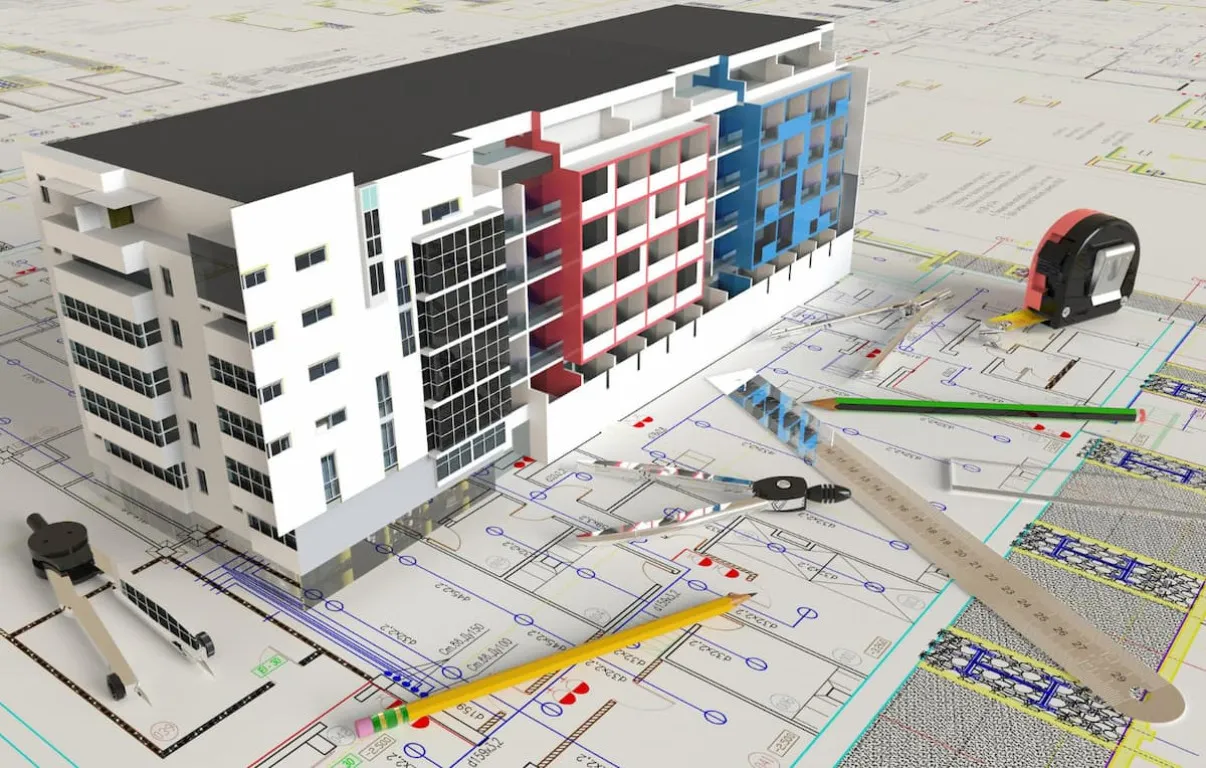
Technology development in construction is becoming increasingly sophisticated and efficient. One important innovation is Building Information Modeling (BIM), which is now widely used. With BIM technology, the project planning process becomes more focused and transparent.
BIM technology also streamlines the planning and supervision process. You can view the project's details as a whole, even though the building has not yet been physically constructed. Take a closer look to find out its functions, benefits, and examples below.
What Is Building Information Modeling?
BIM, or Building Information Modeling, is a technology-based method for creating a digital representation of a building's physical and functional aspects.
This system integrates design, structural, and utility information into a single interactive 3D model.
BIM not only displays 3D visualizations, but also stores essential data such as material volumes, work schedules, and cost estimates. You can use it to predict potential problems and optimize resource allocation.
How Does Building Information Modeling Work?
The physical environment and functional characteristics of a building in BIM are digitally represented using data.
This digital representation is then complemented with information from various disciplines, serving as both a knowledge hub and a 3D digital version of traditional 2D blueprints.
A BIM model is composed of BIM objects, which are 3D representations of individual elements and structures, each containing specific related information.
The application of BIM encompasses the entire building life cycle, from architectural design and planning through to construction, operational, and maintenance stages of a construction project.
Why Is Building Information Modeling Important?
The construction industry is currently facing greater pressure to improve efficiency and sustainability.
According to the CIOB, approximately 11% of total global emissions are generated by hidden carbon during the construction of buildings before they begin operating.
BIM enables the entire project team to integrate various sustainability-related data, thereby meeting environmental reporting requirements and performance standards.
BIM technology also enables significant optimizations and adjustments that can allow for efficient construction planning and environmentally friendly designs, thereby helping to reduce carbon emissions.
Benefits of Building Information Modeling
Building Information Modeling (BIM) offers several benefits in the modern construction industry.
BIM can simplify planning, improve efficiency, coordination, and project quality. Here are some of the benefits of BIM that you need to know, including:
1. Improving Design Accuracy
BIM enables the creation of comprehensive 3D models that encompass structures, electrical systems, and HVAC systems. This helps project teams detect potential clashes or conflicts between elements early in the planning stage. Building designs become more precise and require fewer revisions.
2. Accelerating the Construction Process
The construction team can access digital models of the project to understand the work sequence and material layout.
This speeds up field coordination because all parties involved already have a clear visual understanding of the project plan.
3. Reducing Costs and Waste
Calculating material quantities can be done more accurately thanks to BIM, avoiding the purchase of excess materials.
Budget planning becomes more precise, and expenses are not wasted. Cost efficiency also helps keep the project on track with its financial targets.
4. Facilitating Team Collaboration
All parties, from architects and engineers to contractors, access the same project data through a single platform.
This minimizes miscommunication and reduces the risk of coordination errors. The decision-making process also becomes faster and more targeted.
5. Supporting Maintenance and Facility Management
BIM information stores data on materials, installations, and building systems for use after construction is complete.
The facility management team can monitor building conditions and maintenance schedules more effectively. Building assets can also be managed more sustainably.
Who Uses BIM?
BIM is utilized by many parties in the construction and architecture world to facilitate planning, coordination, and project management more efficiently. Here are some parties that generally utilize BIM in their work, including:
- Architects.
- Contractors.
- Project Managers.
- Interior Designers.
- Structural Engineers.
- Construction Consultants.
- Infrastructure Planners.
- Building Owners/Developers.
- Operations and Maintenance Teams.
- MEP (Mechanical, Electrical, Plumbing) Engineers.
Examples of Building Information Modeling Applications
The application of Building Information Modeling (BIM) is now increasingly widespread, extending beyond the planning and design stages to encompass the entire construction project life cycle. Here are some examples of Building Information Modeling:
1. Infrastructure Projects
BIM is used to design and construct various infrastructure projects, including highways, bridges, and utility networks.
Digital models enable the simulation of construction paths, material estimation, and environmental impact analysis from the early stages. This helps reduce the risk of delays, minimize field errors, and speed up the construction process.
2. Building Construction Projects
In the office building, hospital, and public facility sectors, BIM is used to create complete 3D models.
This model encompasses the structure, electrical systems, HVAC, and plumbing, enabling all teams to evaluate the design thoroughly before construction begins.
The use of BIM also facilitates coordination between teams, reduces design revisions, and ensures higher building quality.
3. Project Planning and Management
BIM provides integrated information related to schedules, costs, and material requirements. BIM-based simulations and analyses enable management to make faster and more accurate decisions, as well as optimize project efficiency.
4. Operational and Facility Maintenance
Once the building is complete, BIM data can be used for maintenance, repairs, and facility management.
This allows operational teams to monitor building conditions, schedule maintenance, and sustainably extend the life of assets.
That concludes an explanation of Building Information Modeling (BIM) and some of its benefits, as well as examples of its application in construction projects.
With BIM, project planning is more accurate, coordination between teams is easier, and the risk of errors can be minimized.
In addition to the proper application of BIM technology, material quality and project management also play crucial roles in the success of construction projects.
Selecting the right materials, including cement, is essential to ensure the building structure remains sturdy and durable.
Semen Merah Putih can be the right choice for your building because it has high quality and strong adhesive strength.
Semen Merah Putih Watershield products are equipped with adequate water repellent technology that prevents leaks, mold, and damage to walls, making construction more durable and safer.
Therefore, ensure that you not only utilize BIM for project planning and management, but also select Semen Merah Putih as a high-quality material for your construction.
Use Semen Merah Putih Watershield to meet your project needs for strong and durable construction. Contact us now for more information and to discuss your construction needs.