
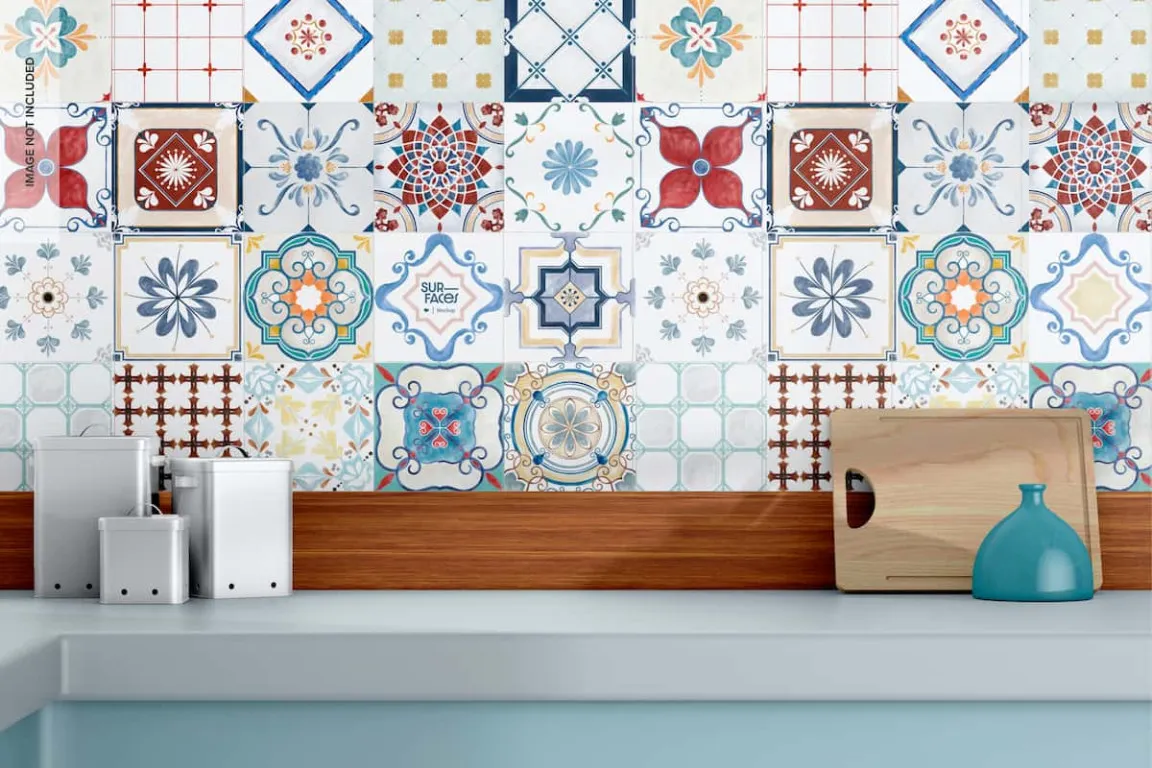
Installing wall tiles is often considered a complicated task for many people. However, this process can be easier if you understand the basic steps. Ensure that each step is done carefully so that the results look neat.
Although it seems simple, there are several important points you should prepare before installing the tiles. Choosing the right materials and techniques will ensure the final result of your wall tile installation is strong and eye-pleasing.
To understand the process more quickly and clearly, you can learn the steps and tips for installing wall tiles in the following article.
Benefits of Installing Wall Tiles
In addition to enhancing a room's appearance, installing wall tiles offers several functional benefits. The following benefits can help improve the building's comfort, durability, and aesthetics.
1. Enhances the Aesthetic Value of the Room
Wall tiles can give a room a neater and more modern look, making the atmosphere appear more organized and clean. The variety of tile patterns and colors makes it easier to select tiles that match the interior style you want to highlight.
2. Can Withstand High Temperatures
Tiles can absorb and retain heat more stably than other wall materials. This property maintains a comfortable room temperature, especially in areas that are often exposed to direct sunlight. With the application of tiles, the room temperature can be kept cooler and does not rise as easily.
3. Easy Wall Maintenance
Tile walls are easy to clean because their surfaces do not absorb stains. Simply wipe with a damp cloth or cleaning fluid to remove dirt. This practicality makes tile walls suitable for installation in areas that get dirty quickly, such as kitchens or bathrooms.
4. Prevents Wall Leaks
Ceramic tiles serve as an additional protective layer to prevent damp walls. When installed in bathrooms or other damp areas, this material helps reduce the risk of moldy or damaged walls due to moisture. Furthermore, ceramic tiles also strengthen the wall structure and are more resistant to weather changes.
5. Strengthen the Building Concept
Wall tiles can emphasize the theme or interior design concept you want to display. Choosing the right tiles will enhance the room’s aesthetics, suitable for minimalist, industrial, classic, or modern styles. By choosing matching patterns and colors, the overall appearance of the building will look more harmonious.
Read also: 10 Bathroom Wall Tile Designs, Modern & Minimalist Concept
Wall Tile Installation Tools
To achieve neat and precise installation results, you need several appropriate supporting tools. These tools help simplify the work process and ensure that each tile is installed properly. Here is a list of tools you need to prepare:
- Tape measure: To measure the area and determine the amount of tile needed.
- Waterpass: To ensure that the tiles are installed straight and not slanted.
- Tile Cutter: To cut tiles to the required size.
- Notched Trowel: To spread tile adhesive evenly for optimal adhesion.
- Rubber Mallet: To tap tiles into place without damaging them.
- Tile Spacers: To maintain even spacing between tiles for a neat and smooth finish.
- Bucket & Mixer: To mix tile adhesive or cement mortar.
- Clamps or Pliers: To help hold the tiles while cutting.
- Scraper: To clean excess adhesive from between the tiles.
- Sponges & Wet Fabrics: To clean the tile surface during finishing.
- Grinding Machine: For cutting thick tiles or making pipe holes.
How to Install Wall Tiles
Installing wall tiles is actually not as complicated as you might think. Here is a simple guide to installing wall tiles.
1. Clean and Level the Wall Surface
Before starting the tile installation process, ensure that the wall is free of dust, oil, or peeling paint. A clean wall surface will help the adhesive stick more firmly. If there are any uneven areas, you can level them first for a neat installation result.
2. Measure the Installation Area
Next, you can measure the wall area to determine the number of tiles needed. Accurate measurements will minimize miscalculations. Additionally, this step will also make planning the tile layout easier.
3. Determine the Pattern and Starting Point
Select an installation pattern that matches the room's design for a more aesthetic result. Do not forget to determine the starting point, usually from the middle or bottom of the wall, to get a balanced arrangement. Determining the right pattern and starting point will facilitate the installation process and create a neater final result.
4. Create Guidelines with a Waterpass
Use a waterpass to create horizontal lines as the main reference for installation. These lines ensure that the tiles are arranged straight and not slanted from the first row. The more precise the guidelines are, the neater the results of your wall tile installation will be.
5. Apply Ceramic Adhesive Evenly
Before installing the ceramic tiles, apply the ceramic adhesive with a notched trowel to ensure it is spread evenly and has good adhesive strength. Apply the adhesive little by little so that it does not dry out before the tiles are installed. Ensure that the thickness is sufficient to hold the tiles firmly and keep them stable.
Read also: How to Calculate Ceramic Needs & Tips for the Right Choice
6. Install the Tiles Gradually
Next, continue attaching the tiles according to the provided guidelines. Press gently, then tap the tile surface with a rubber mallet to ensure it is firmly attached. Continue installing one row at a time for neat and precise results.
7. Use Spacers for Grout Spacing
Use spacers to maintain a consistent distance between tiles. This small tool helps produce uniform grout lines for a neater appearance. With regular spacing, the finishing process also becomes easier.
8. Cut the Tiles If Necessary
Cut the tiles using a tile cutter or grinder to adjust the size at the edges or corners. Cut slowly to avoid cracking or breaking the tiles. Neat cuts will make the wall look smoother and more proportional.
9. Let the Adhesive Dry
Leave the tiles in place for 4–6 hours without moving them to ensure they are stable. For stronger results and to be ready for grouting, wait 24 hours. During this time, avoid applying pressure to the surface during drying to prevent the tiles from shifting.
10. Fill the Nat Between Ceramic Tiles
Once the glue is completely dry, you can start filling the gaps between the ceramic tiles with nat. You can level the nat with a trowel to completely cover the gaps. Once done, clean the excess nat before it dries for a clean and neat result.
Those are the steps for installing wall tiles that you can follow to achieve neat and precise results. By understanding the process from the start, you can avoid mistakes and ensure that the tiles are firmly attached.
Ensure you choose the right type of tile that suits the room’s needs and use high-quality adhesive cement for a more sturdy and durable installation.
Semen Merah Putih Watershield can be an ideal choice due to its super premium formula and suitability for various construction jobs, including bricklaying, plastering, rendering, and tile installation.
To know more about Semen Merah Putih products, contact us now to get complete information!
Read also: 10 Kitchen Backsplash Tile Ideas, Elegant and Minimalist