
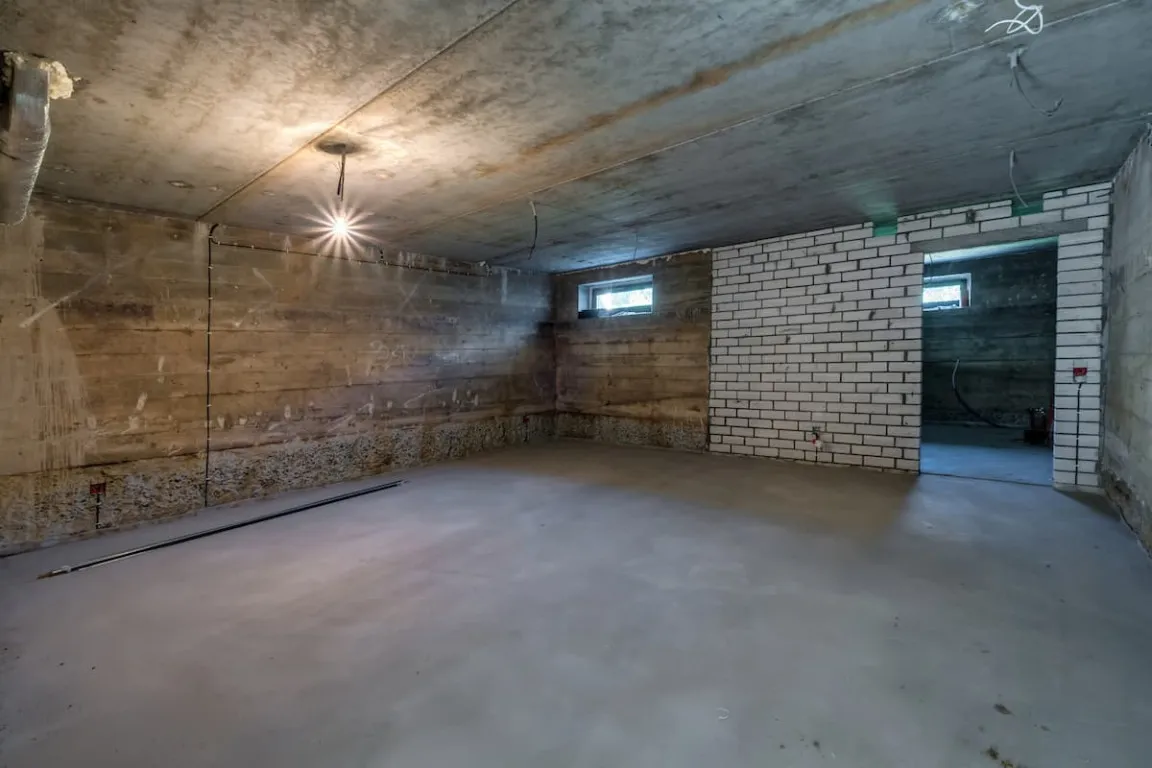
Basements are becoming increasingly popular as a way to add space in areas with limited land. Not only for storage or a carport, but this area can also be transformed into a functional space that is comfortable, private, and more attractive with the right design touches.
From lighting, furniture selection, to the arrangement of other elements, every detail plays an important role in making the basement feel safe, aesthetic, and suitable for various activities.
To achieve an ideal result that remains comfortable to occupy, there are several things you need to consider when designing it. Let's take a look at the steps below!
What Is a Basement?
A basement is an area located below the surface of a building. Initially often used for storage, basements are now increasingly popular as additional spaces, such as family rooms, home offices, play areas, and other multipurpose rooms.
Typically, walls and floors are made of concrete or other waterproof materials to prevent moisture-related problems. Lighting, furniture selection, and room layout can make a basement a comfortable, functional, and aesthetically pleasing space.
Tips for Building a Basement
To ensure that your basement is comfortable, safe, and can be used optimally, there are several important things to consider when designing and building it. Here are some tips you can apply to build an ideal basement based on your needs:
1. Consider Soil Stability
Before building a basement, ensure that the soil conditions are stable and not prone to landslides or flooding. Choosing a flood-free location is also important to prevent excessive moisture inside the room.
2. Map Underground Installations
Ensure that the area to be used as a basement does not have any important installations, such as wells, water or gas pipes, and electrical lines. By mapping the area in advance, you can reduce risks during construction and know the right steps to take to arrange or move these installations.
Read also: Retaining Walls: Functions, Types, & Ideal Material Solutions
3. Obtain a Building Permit
If important installations are found in the construction area, ensure that everything can be completed properly. A basement building permit may not be granted, especially if the ground conditions are unsuitable.
Besides official permits, be sure to also request approval from neighbors and residents, as the work involves heavy equipment and the removal of large amounts of soil.
4. Use Sturdy Materials
For basements, use truly sturdy materials because the structure must withstand soil pressure and the weight of the building above it. Sheet piles, which are typically made of structural steel, are often recommended for their strength.
Another option is reinforced concrete. It is suitable for foundations or permanent basement walls.
5. Good Air Circulation
Ensure the basement has adequate air circulation so it does not feel stuffy. If possible, add windows to improve natural airflow.
However, if installing windows is not possible, you can rely on a ventilation system or install an exhaust fan so that air from outside can still enter and maintain the air quality in the room.
6. Choose Waterproof Paint
Excess moisture is a common problem in basements, so it is important to choose waterproof wall paint to keep the walls durable. Avoid using wallpaper because it is easily damaged by leaks or high humidity, especially during the rainy season.
7. Consider Room Height
Pay close attention to the basement height to maintain the foundation's strength and the building's structural safety. Ideally, the height of this space should be level with the road surface to make the foundation more solid and stable.
8. Add Lighting
Basements tend to have minimal natural light. Therefore, ensure adequate lighting. Use higher-wattage lights or additional table lamps to keep the room bright and comfortable, especially if it is used as a bedroom, workspace, or other activity room.
Read also: Types of Deep and Shallow Foundations for Buildings
9. Choose Multifunctional Furniture
Choose furniture that is not only aesthetic but also multifunctional to maximize your basement space. Use sofas with storage space, folding tables, or wall shelves for greater efficiency. Avoid large furniture and adjust it to the room's size to maintain balance and comfort.
10. Determine the Room Function
First, determine the function of the basement you want to build, whether it is for additional space, storage, or a hobby room. Make sure the design and layout suit your needs so that the space can be used to its full potential.
Basement Functions
Basements can be used for a variety of purposes, depending on their design and intended use. Some common functions of basements include:
- Storage: Suitable for storing rarely used items, such as winter gear, sports equipment, or other household items.
- Family room or media room: Many people use it as an additional family room for relaxing, watching TV, or even creating a home theater.
- Work space or creative studio: It can be converted into a home office or studio for working quietly or pursuing creative hobbies.
- Additional bedroom: Some people use this area as a master bedroom, living room, or guest suite.
- Game or exercise room: Ideal for a game room, such as a pool table, game console, or private gym with fitness equipment.
- Living room or entertainment room: Can be designed as an additional living room or lounge, complete with a sofa and entertainment facilities.
- Guest suite or mini apartment: The basement can also be converted into a small suite for guests or visitors, which can even be rented out.
- Music or art studio: For music or art lovers, this area can be used as a practice studio, recording studio, or workspace.
Those are some ways to make basements safe, comfortable, and functional for various needs. Because basements are located in areas directly in contact with the ground, they are very susceptible to moisture and water seepage.
Therefore, the use of sturdy and waterproof materials from the early stages of construction is key to ensuring that the structure remains strong, durable, and long-lasting.
One recommended material that can provide extra protection is Semen Merah Putih Watershield.
The water-repellent technology of Semen Merah Putih Watershield provides triple protection, preventing moisture, seepage, and direct contact with the ground. As a result, the walls become stronger, smoother, and less prone to decay.
Semen Merah Putih Watershield is suitable for foundations, plastering, concrete slabs, skim coating, and bricklaying, all essential elements in basement construction. So, if you want to build a strong, safe, and durable basement, make sure to choose the best materials from the start.
For more information and consultation on your construction needs, do not hesitate to contact us now.
Read also: 17 Types of Foundations in Constructions and How to Choose Them