
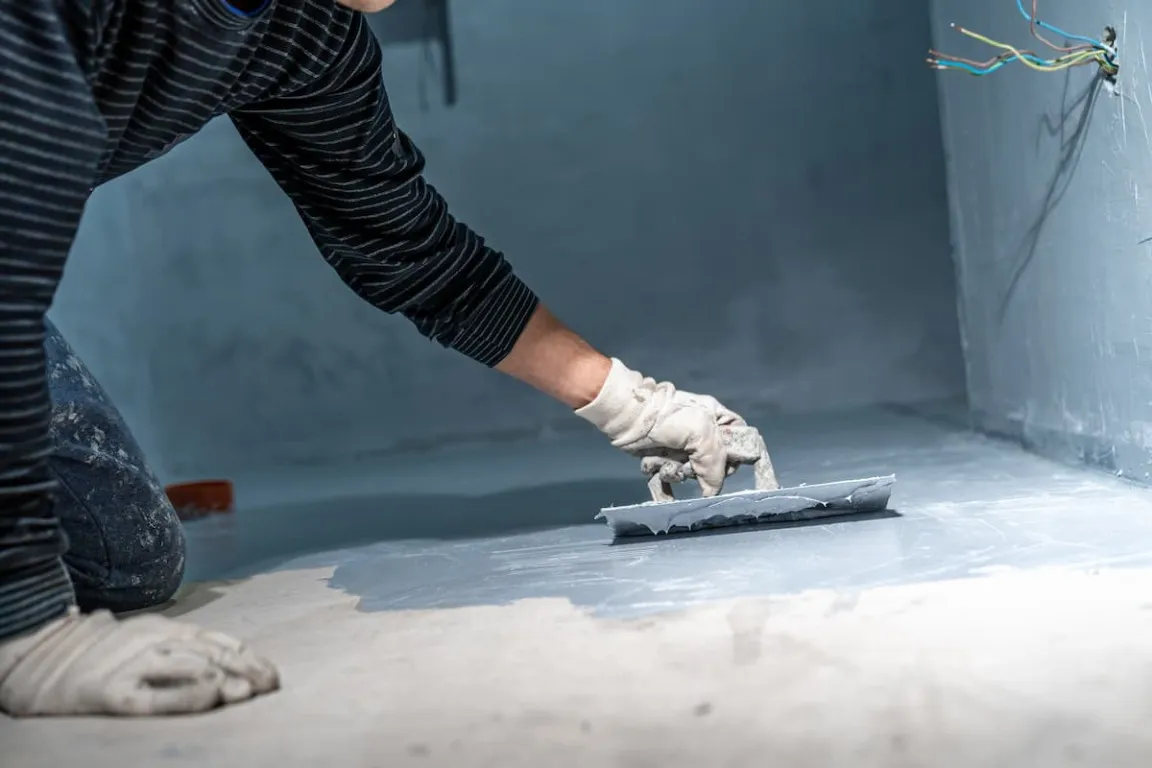
After completing the building construction phase, which took significant time and materials, the next step is the finishing phase. This phase is the best time to determine your home's visual appearance, in part through selecting floor patterns.
When choosing floor patterns, consider how they coordinate with your home's overall theme and the look of the walls. That way, the room will look cohesive and complementary.
Did you know there are alternatives to using ceramic tiles for floor finishes? Let’s explore some alternatives in this article!
Plaster as an Alternative to Ceramic Tiles
Generally, ceramic tiles are indeed the top choice for floor finishing. This material is widely used due to its scratch resistance, ease of maintenance, and the variety of patterns, colors, and textures it offers.
However, as housing and interior design trends evolve, flooring options are becoming increasingly diverse. Patterned plaster flooring is a unique alternative that can be just as aesthetically pleasing as ceramic tiles.
In terms of appearance, plaster flooring offers a smoother, seamless look, giving the room a more spacious and modern feel.
Moreover, plaster flooring is more cost-effective, as materials and installation costs are generally lower than those of ceramic tiles, without compromising durability or aesthetics.
Another advantage of plaster that makes it an ideal alternative to ceramic tiles is its ease of maintenance. Grout lines between ceramic tiles often collect dirt and are difficult to clean. Without these grout lines, the cleaning process becomes much easier.
If you use ceramic tiles, your choices will be limited to what is already available on the market. Conversely, using plaster gives you full control over the design.
Read also: 5 Unique Bathroom Renovation Ideas
Inspirations for Patterned Plaster Floors
Flexibility is one of the main advantages of using patterned plaster floors. As a starting point, here are some of the most popular styles and patterns for plaster floors that you can customize to suit your preferences and home design concept:
1. Terrazzo Floors
Terrazzo floors are made from a composite material, a mixture of marble, sand, natural stone, glass, and cement that produces organic and unique patterns. Terrazzo floors are versatile and can be used for both interior and exterior flooring.
This patterned floor plaster is ideal if you want a unique look. Its striking patterns suit Japandi-style and contemporary homes. You can also customize the plaster's base color and the stone chips within it to match the dominant colors in your interior.
2. Marble-Patterned Floors
If you have a luxury-style or American Classic-style house and want to add marble elements without breaking the bank, plaster can be a great alternative. Use neutral colors like gray and white to create a marble-like pattern.
With the right application technique, plaster can be shaped to produce fine veins that resemble real marble. However, ensure skilled professionals execute this pattern.
3. Exposed Cement Plaster Floors
For industrial-style houses, exposed cement plaster floors pair well with exposed cement walls to highlight a masculine, edgy character. This design preserves the cement’s natural color and texture.
The organic texture and color gradations give your floors a unique and exclusive character.
Although it features an exposed concrete look, no need to worry about maintenance. The floor will be coated with a protective sealer to keep it dust-free and easy to clean.
Read also: Minimalist 2-Story Houses: 10 Trendy Designs & Aesthetic Ideas
4. Plaster Floors with Wood Accents
This floor type combines sturdy concrete with wood planks (parquet) to create area dividers (zoning) or unique, aesthetically pleasing patterns.
This combination is perfect for Japandi, warm minimalist, and modern industrial-style houses. It gives the room a warm feel. The wood elements help counteract the cold feel of the concrete while adding more visual texture.
5. Geometric Patterned Plaster Floors
If you love bold geometric motifs like crisscrossing lines, triangles, hexagons, or other patterns, but prefer not to struggle with tile grout lines that can trap dirt, this alternative is the answer.
This flooring style is perfect for bohemian and vintage-style houses, adding dynamic, distinctive character to any room. This type of floor finish also gives you complete freedom to design your own patterns.
How to Maintain Patterned Plaster Floors
To keep your plaster floor durable and comfortable over time, apply a sealer and topcoat. Cement is porous, so you need to seal it to prevent liquids from seeping in and damaging the floor’s appearance.
For daily maintenance, avoid harsh chemical cleaners such as porcelain cleaners, as they can damage the sealer layer. Choose pH-neutral cleaners or regular cleaning solutions to ensure the coating lasts longer.
These are some design ideas for patterned plaster floors that can serve as an attractive alternative to ceramic tiles in your house. With their flexibility, you can bring your dream floor designs and patterns to life.
However, make sure that visual appeal is backed by strength and durability. For a sturdy, neat, long-lasting result, trust Semen Merah Putih Watershield for your primary flooring needs.
Semen Merah Putih Watershield features water-repellent technology that protects against seepage from three sources at once: outside, inside, and ground, resulting in a strong, durable building that requires minimal long-term maintenance.
There is no need to worry because you can use this maximum protection for a wide range of building applications, from foundations, concrete slabs, cast-in-place concrete, brickwork, and plastering to finishing coats. Contact us to get the best material solutions for your project!
Read also: Understanding Contemporary Houses & the Design Inspirations